Understanding Greywater System Costs and Benefits
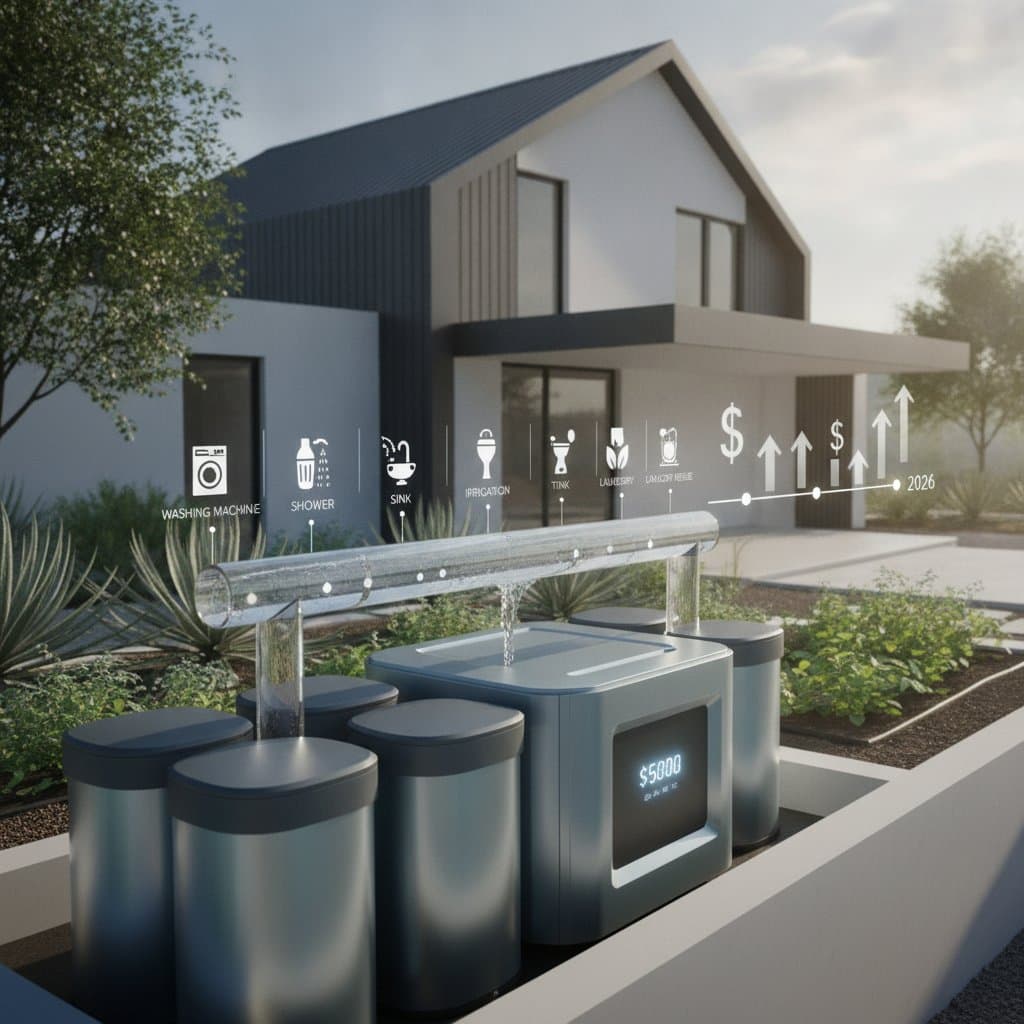
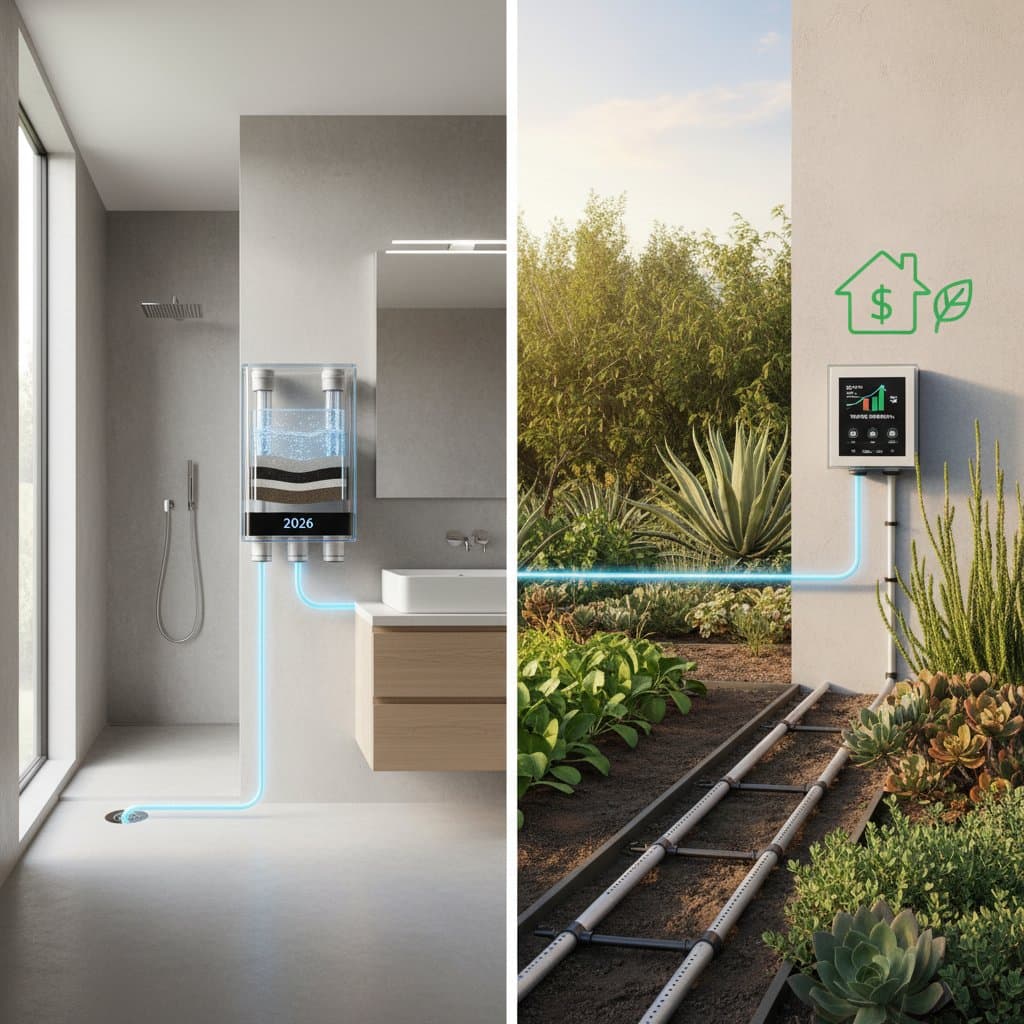
Greywater recycling represents a practical approach to conserving water in residential settings. This wastewater, generated from sources such as showers, sinks, and laundry, holds potential for reuse in irrigation or toilet flushing after basic treatment. Homeowners considering installation must evaluate costs, regulatory hurdles, and potential savings to determine if such systems align with their needs.
Core Cost Ranges for Greywater Installations
Installation expenses for greywater systems typically span from $2,000 to $15,000 nationwide, influenced by system scale and features. Basic configurations, like those diverting laundry water directly to garden beds, start at the lower end of this spectrum. Advanced setups, which process water from multiple household sources for broader applications, approach or exceed the upper limit, encompassing professional labor, materials, and compliance measures.
Costs fluctuate by geographic location. In water-scarce coastal areas with rigorous conservation mandates, expect premiums due to elevated labor charges and permitting demands. Rural or inland regions often present more affordable options, though access to experienced installers may prove limited. Local conditions, including drought frequency, can drive up prices as demand for these technologies rises.
Seasonal and economic elements further impact budgeting. Peak installation periods during dry weather increase labor availability challenges, thereby raising rates. Recent supply chain issues have elevated prices for essential components like PVC pipes and storage tanks, as noted in industry reports from plumbing organizations.
Common Pricing Approaches
Providers structure fees through various models to accommodate different project types.
Hourly billing suits smaller, bespoke jobs, with certified professionals charging $100 to $200 per hour based on regional norms and specialization. For comprehensive undertakings, flat-rate contracts prevail, delivering a fixed price that includes planning, procurement, and execution.
Bundled options integrate consultation, regulatory filings, and routine upkeep, fostering cost transparency for those seeking streamlined experiences. Emerging subscription plans cover ongoing services like inspections and part replacements via monthly or annual payments. Alternatively, pay-per-service arrangements apply to isolated maintenance tasks.
System Categories and Associated Expenses
Greywater solutions divide into tiers that match varying investment levels and capabilities.
Basic variants, often termed laundry-to-landscape systems, operate via gravity without mechanical aids, costing $2,000 to $4,000. These prove ideal for modest landscapes and permit DIY installation by those versed in fundamental plumbing.
Standard models incorporate pumps, basic filters, and zone-specific valves, priced at $5,000 to $8,000. They demand expert involvement and official approvals, yet offer dependable distribution across gardens or lawns.
Premium configurations handle full-home greywater for indoor purposes like lavatory replenishment, ranging from $10,000 to $15,000. Such systems feature sophisticated treatment, storage, and monitoring, necessitating engineering input for optimal performance.
Custom installations for commercial or multi-family properties integrate advanced tech like remote sensors and renewable energy sources, often surpassing $15,000 due to tailored designs and stringent codes.
Factors Shaping Overall Expenses
Project scale dictates the largest portion of costs. Retrofitting a compact residence for garden use incurs far less than overhauling a sprawling estate's entire plumbing network.
Technical intricacy elevates budgets through requirements for pumps, controls, and structural modifications. Integrating with existing infrastructure or digital home ecosystems adds layers of expense.
Duration plays a role, as straightforward setups conclude in days while elaborate ones extend over weeks, accruing labor charges. Material selections, from durable tanks to efficient UV treatments, vary in price but influence longevity and efficacy.
Optional Enhancements and Fees
Installers frequently propose add-ons to bolster functionality or ease processes.
- Assistance with permit submissions carries a fee of $200 to $500, where firms manage paperwork and agency interactions.
- Pre- and post-installation water analysis, essential for safety validation, costs $150 to $400 per test series.
- Comprehensive maintenance contracts, covering cleaning and diagnostics, run $300 to $800 annually.
- Rush services during high-demand seasons command 20 to 50 percent surcharges on standard rates.
Navigating Permits and Compliance
Most jurisdictions mandate approvals for greywater integrations, particularly those affecting potable lines or advanced treatments. Submit blueprints detailing pathways, purification steps, and safeguards against contamination to building or health authorities. Fees range from $100 to $1,000, scaling with system ambition.
Pre-installation reviews and final verifications ensure adherence to standards. Certified professionals mitigate risks of penalties, which can reach thousands, or forced dismantle. Proactive collaboration with regulators streamlines approvals and averts delays.
Calculating Returns and Efficiency Gains
Payback periods hinge on regional utility rates and consumption patterns. In areas with elevated water tariffs, systems recoup costs in three to seven years via bill reductions of 30 to 50 percent for landscaping needs.
Upkeep remains modest, with annual filter and pump servicing at $200 to $500. Smart features, such as moisture-responsive automation, maximize conservation by aligning output with environmental cues.
Enhancing Home Sustainability and Marketability
Greywater adoption advances ecological objectives while elevating property desirability. Eco-minded purchasers favor such features, potentially increasing sale prices by 5 to 10 percent in green-leaning markets. Incentives like rebates up to $1,000 in select locales further offset initial outlays.
Steps to Install a Greywater System
Assess your property's water usage and reuse goals to select an appropriate tier. Consult local codes and engage a vetted installer for a site evaluation. Secure permits, proceed with installation, and schedule regular maintenance to sustain performance and compliance.