Understanding Greywater Systems: Costs, Permits, and Real Savings
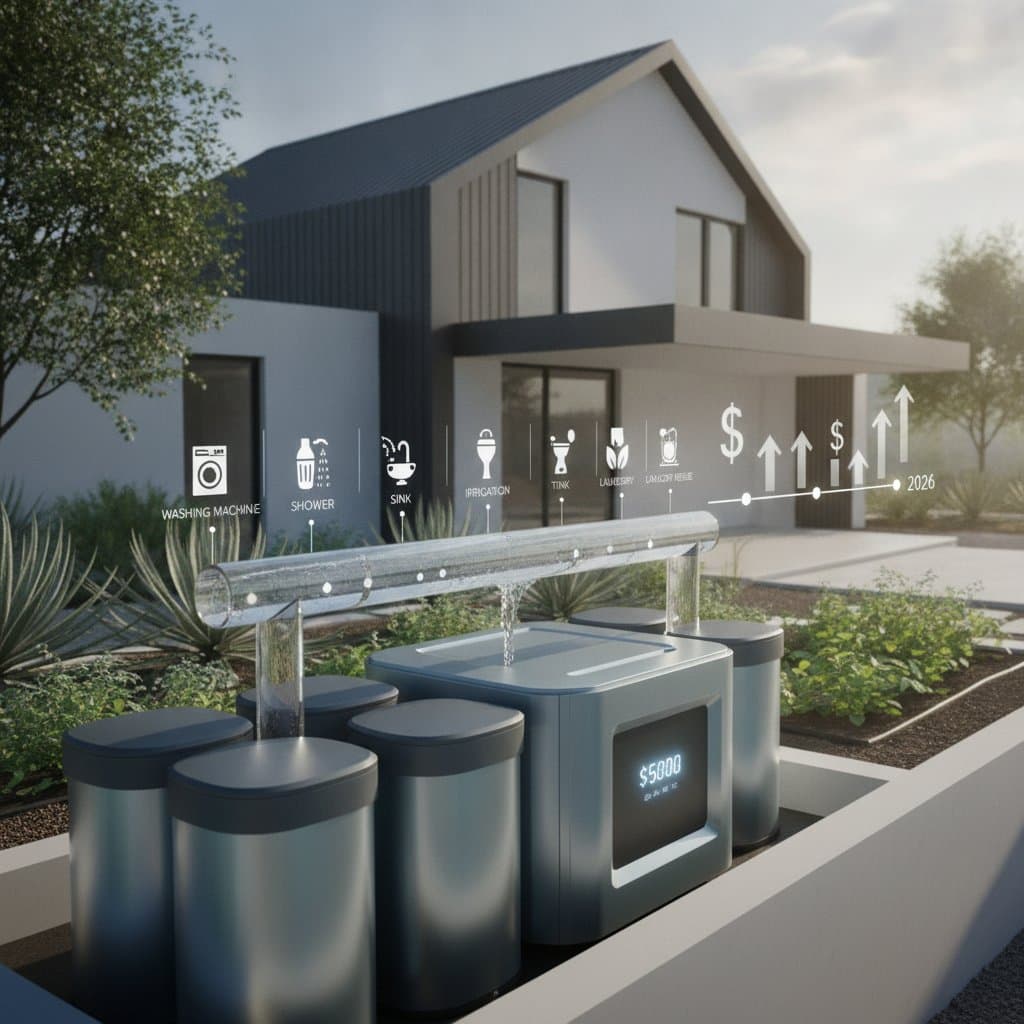
Greywater systems capture and repurpose water from household sources such as sinks, showers, and laundry machines. This recycled water supports irrigation or toilet flushing, reducing reliance on fresh supplies. Homeowners benefit from lower utility bills and enhanced sustainability, but success requires careful planning around installation costs, local permits, and system selection.
Key factors influence overall expenses, including system complexity, site conditions, and regulatory compliance. This guide details these elements, outlines installation approaches, and highlights strategies for maximizing returns. By evaluating options thoroughly, individuals can achieve 25 to 40 percent reductions in water expenses while adhering to legal standards.
Selecting the Appropriate Greywater System Type
Systems range from basic redirects to sophisticated treatment setups, each suited to different needs and budgets. Consider water volume, distribution distance, and reuse purpose when deciding. Below, explore common configurations with their features, costs, and suitability.
Simple Diversion Systems
These setups channel greywater straight from a single source, like a washing machine, to outdoor plants via a hose or buried line. Without storage or treatment, they minimize complexity and upkeep. Expect material costs of 400 to 1,000 dollars, covering hoses, valves, and basic fittings.
Individuals with plumbing experience can complete installation in a weekend using standard tools. Verify local codes first, as some areas mandate a simple inspection to confirm no cross-contamination risks. This option suits small yards or low-water-use homes seeking quick, affordable entry into recycling.
Gravity-Fed Filtration Systems
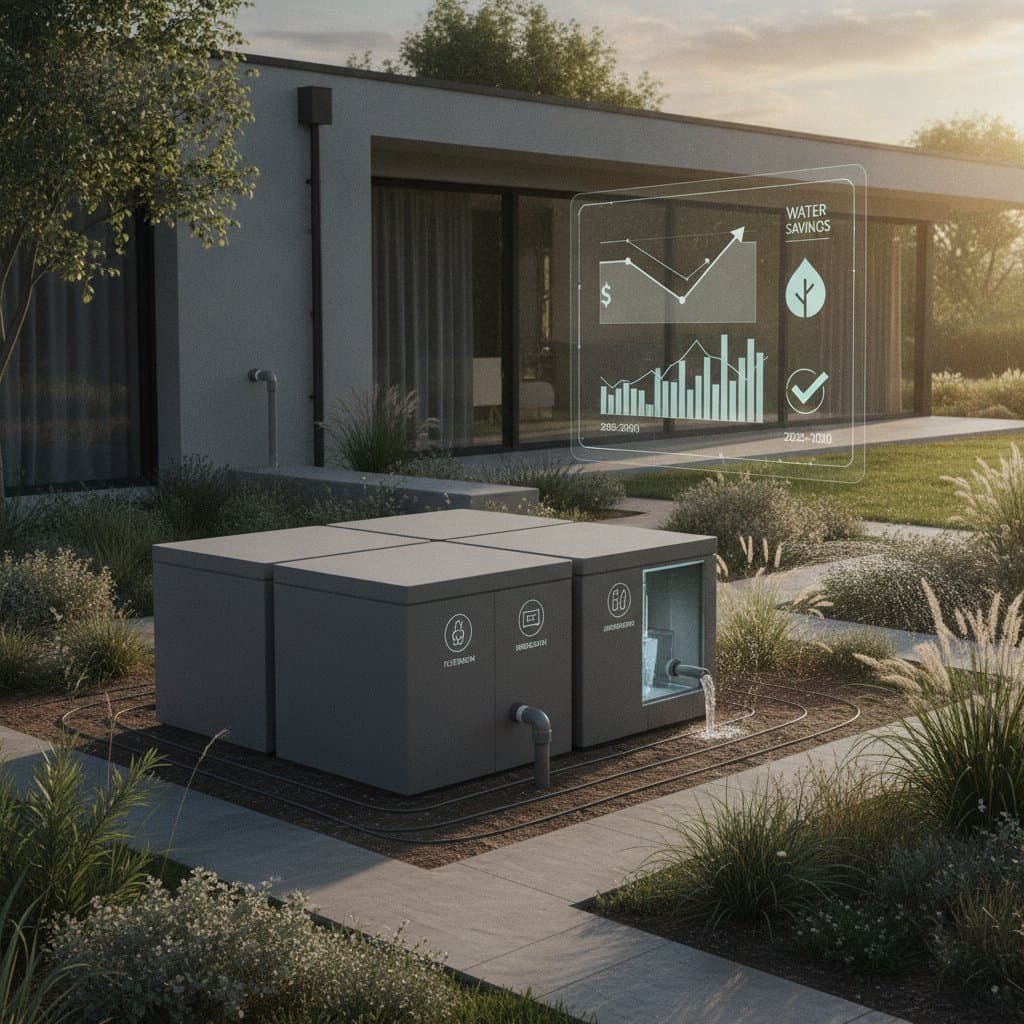
Gravity moves water through a coarse filter to remove debris before landscape application. Ideal for sloped properties, this method ensures even distribution over larger areas. Installation typically costs 1,500 to 3,000 dollars, factoring in filter units, piping, and site grading.
Professionals handle layout to optimize flow and prevent pooling. Add mulch basins around plants to enhance absorption and nutrient delivery. Such systems balance cost and effectiveness for moderate-scale irrigation needs.
Pumped and Filtered Systems
Flat terrains or distant reuse zones require pumps to transport greywater effectively. Integrated filters and small tanks clarify the water, meeting health guidelines for broader applications. Prices span 3,000 to 8,000 dollars, influenced by pump capacity and tank size.
Schedule filter rinses quarterly and inspect pumps annually to sustain efficiency. These systems provide reliable output in challenging setups, justifying the investment through consistent savings and compliance.
Whole-House Greywater Recycling Systems
Comprehensive units gather water from all fixtures, apply multi-stage treatment including UV disinfection, and return it for flushing or outdoor use. Seamless integration demands expert engineering. Investments range from 10,000 to 20,000 dollars, often offset by rebates in eco-friendly regions.
Target new constructions or major renovations for easiest adoption. Long-term, these deliver the highest volume reuse, slashing bills significantly while elevating home resale appeal.
Breaking Down Installation and Ongoing Costs
Budgeting involves assessing materials, labor, approvals, and upkeep. Tailor estimates to your property's layout and local rates for accuracy.
Core Cost Components:
- Materials: Account for 40 to 60 percent of the total, including durable pipes, specialized filters, and optional pumps. Opt for corrosion-resistant options to extend lifespan.
- Labor: Ranges from 500 to 5,000 dollars based on scope. Engage certified plumbers for intricate work to avoid rework.
- Permits and Inspections: Budget 100 to 800 dollars; contact your building department early to identify requirements like soil tests or design submissions.
- Maintenance: Plan 100 to 300 dollars yearly for filter changes and system checks. Track schedules to prevent clogs or bacterial buildup.
For a mid-range filtered system, anticipate 4,000 to 10,000 dollars overall. Basic diverters stay below 1,000 dollars where regulations permit self-installation.
Deciding Between DIY and Professional Approaches
Self-installation appeals for its cost savings, particularly with straightforward diverters. Gather supplies like three-quarter-inch hoses and diverter valves, then map a gravity-assisted path to planting beds. Follow online tutorials from reputable sources, testing connections before full operation.
However, complex systems demand professional expertise to navigate codes and safeguard water supplies. Experts secure permits, perform pressure tests, and certify installations, mitigating liability. Weigh the 20 to 50 percent labor savings against potential fines or repairs from errors.
Realizing Long-Term Advantages
Beyond initial outlay, greywater systems yield substantial returns. In arid climates, they sustain gardens amid shortages, preserving curb appeal without extra watering. Nutrient-rich discharge enriches soil, potentially cutting fertilizer needs by 20 percent.
Environmentally, a four-person household might redirect 10,000 gallons annually, easing municipal strain. Financially, payback occurs in three to seven years via bill reductions and possible incentives. Properties with these features often command five to ten percent higher values in green-conscious markets.
Sustaining System Performance Over Time
Regular monitoring ensures optimal function. Inspect for leaks monthly and flush lines seasonally to maintain flow. Document all maintenance for warranty claims or resale documentation.
Embrace greywater as a strategic upgrade that aligns fiscal prudence with ecological stewardship. Consult specialists, secure approvals, and launch your project to harvest enduring rewards in conservation and economy.