- Installation timing: Projects during peak dry seasons may face higher rates due to contractor demand.
When DIY Might Save or Cost More
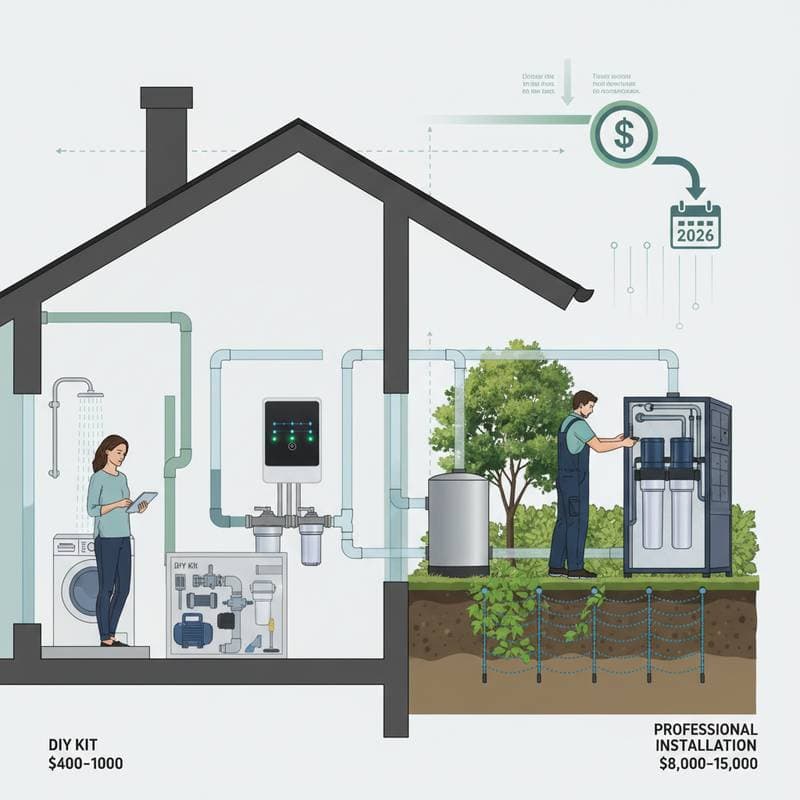
DIY approaches reduce immediate outlays but risk escalating expenses through errors like leaks, blockages, or health hazards from contamination. Professional options demand greater upfront investment yet yield durable performance and reduced long-term repairs. Select based on your technical proficiency, available time, and commitment to routine maintenance.
DIY vs Professional: Making the Right Choice
Each installation method presents distinct pros and cons. Weighing them supports informed selections.
Benefits of DIY Greywater Systems
- Reduced starting expenses
- Opportunity for practical skill development
- Ability to customize based on specific needs
Drawbacks of DIY Systems
- Elevated chance of installation mistakes
- Absence of formal warranties
- Risk of non-compliance with building codes
Benefits of Professional Installation
- Assurance of regulatory adherence
- Enhanced efficiency and security measures
- Sustained dependability with limited upkeep
Drawbacks of Professional Installation
- Substantial initial financial commitment
- Potential delays from contractor schedules
Skills and Tools Needed for DIY
Essential requirements include fundamental plumbing techniques, tools such as pipe cutters and adjustable wrenches, and familiarity with regional codes. Additionally, comprehend water flow principles, filtration methods, and appropriate discharge locations to safeguard against improper greywater application.
Time Commitment Comparison
Basic DIY installations often complete over a single weekend, whereas professional endeavors span several days to accommodate planning, approvals, and verification. Balance these timelines against desired economies.
Safety Considerations
Prioritize health by separating greywater from blackwater sources like toilets to prevent pathogen spread. Install backflow preventers and use biodegradable soaps to minimize chemical risks. Regularly inspect for structural integrity, and consult experts if handling treated systems for potable reuse, ensuring no cross-contamination occurs.
Your Greywater Questions, Answered
How much water can a greywater system save?
Typical households reclaim 25 to 40 percent of overall water consumption, influenced by system capacity and daily routines.
Do greywater systems require permits?
Most areas mandate approvals for plumbing integrations or indoor applications. Verify with local authorities before proceeding.
What maintenance is needed?
Clean filters and tanks quarterly, and monitor for leaks, unusual smells, or obstructions to sustain optimal operation.
Can greywater be stored for later use?
Restrict storage to treated greywater beyond 24 hours; direct untreated flows to immediate use to curb bacterial proliferation.
Is greywater safe for vegetable gardens?
Apply only filtered and sanitized greywater to edibles; reserve untreated varieties for non-food plants or turf.
How long does installation take?
Professional projects require two to five days based on scope, while DIY efforts demand thorough preparation but shorter hands-on time.
What is included in a full professional installation?
Services cover consultations, plumbing alterations, filtration and pumping equipment, performance testing, and often permit facilitation.
How long do greywater systems last?
Properly maintained units endure 10 to 15 years, with periodic component replacements extending service life.
Are there government incentives?
Certain locales provide rebates or tax credits for conservation technologies; inquire with municipal water agencies.
What are the biggest mistakes to avoid?
Steer clear of combining greywater with sewage, selecting incompatible cleaners, or neglecting filter care, as these impair system efficacy.
How to Decide: Your Step-by-Step Guide
1. Assess Your Water Use
Monitor consumption patterns in bathing, washing, and landscaping to project recycling volumes and bill reductions.
2. Evaluate Your Skills and Resources
If proficient in plumbing and prepared for upkeep, pursue DIY; otherwise, opt for expert assistance.
3. Calculate True Costs
Factor in setup fees, ongoing care, and incentives, accounting for ancillary expenses like equipment or approvals.
4. Assess Risks
Evaluate potential for leaks or pollutants, prioritizing family well-being and environmental protection.
5. Make the Final Decision
Align your choice with financial limits, schedule constraints, and code obligations.
Preparing for Your Greywater Project
Thorough preparation streamlines the process.
- Review municipal guidelines to identify permissible configurations.
- Examine drain access points for feasibility.
- Establish a budget encompassing supplies and future servicing.
- Clear work areas and designate output zones.
- Time professional hires for off-peak periods to secure better rates.
Implementing Your Greywater Solution
Once decided, proceed methodically to realize water and cost efficiencies. Start with a detailed site survey, procure quality materials suited to your setup, and document all steps for reference. Post-installation, track performance metrics like water diversion rates to refine operations, ensuring your investment delivers lasting sustainability and savings.