Greywater Systems in 2026: Costs and Savings That Deliver Real Returns
Greywater recycling offers homeowners a practical way to lower water bills while advancing sustainable practices. This process reuses mildly contaminated water from sources such as sinks, showers, and washing machines, conserving thousands of gallons annually. Homeowners must weigh initial costs, ongoing maintenance, and projected savings to determine if a greywater system aligns with their property and financial plans.
Understanding Greywater System Costs
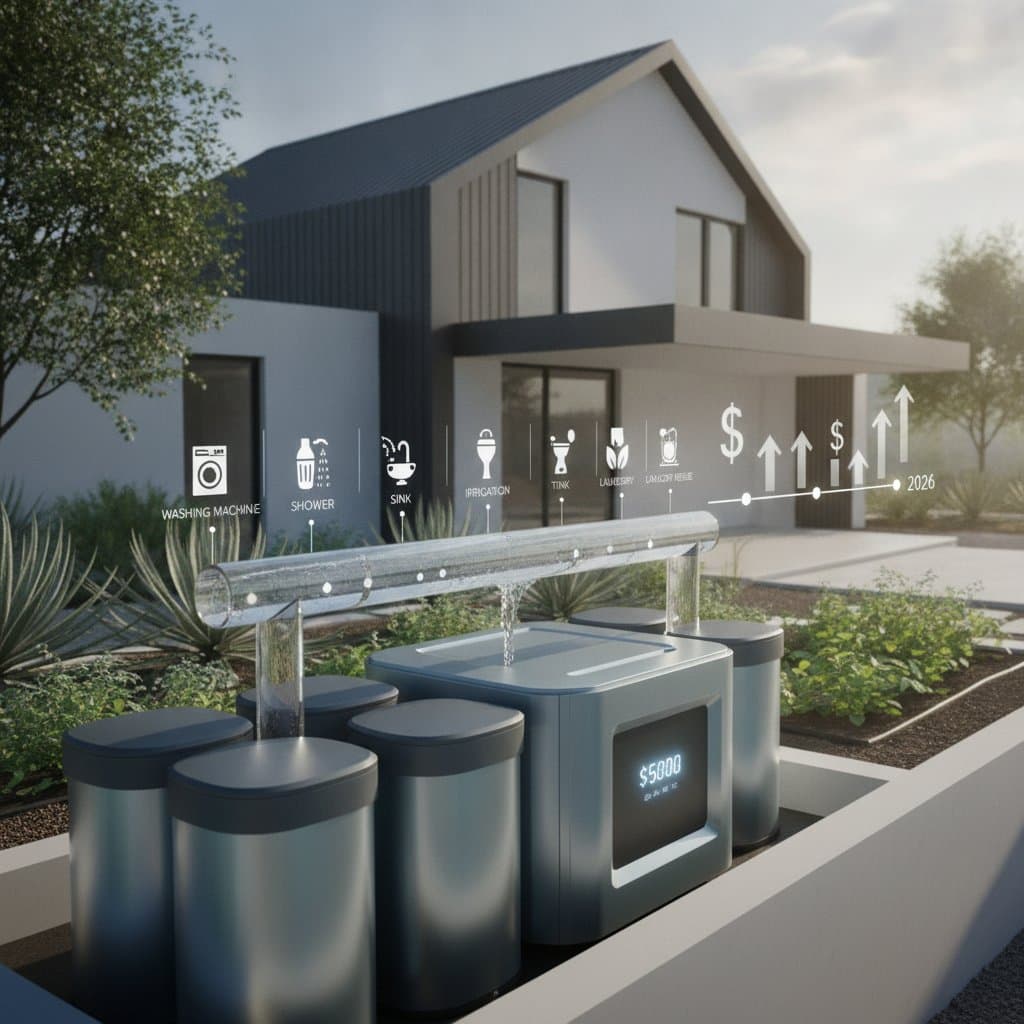
Costs for greywater systems depend on the system's scale, technical features, and site-specific factors. Options span basic DIY configurations for irrigating gardens to comprehensive home-wide setups that purify and repurpose water for flushing toilets and outdoor use.
Average Installation Costs
Professional installations for typical households range from $2,000 to $9,000. Systems capturing water solely from laundry or showers start at about $1,000, making them accessible entry points. More elaborate systems with treatment for varied applications often surpass $10,000.
| System Type | Description | Estimated Cost |
|---|---|---|
| Basic | Laundry-to-landscape diversion for outdoor irrigation | $1,000 - $3,000 |
| Mid-Range | Shower and sink collection with basic filtration for garden use | $3,000 - $6,000 |
| Advanced | Whole-home integration with treatment for indoor and outdoor reuse | $6,000 - $10,000+ |
DIY Greywater Systems
Homeowners can assemble DIY systems for $200 to $1,000, based on selected materials and configuration. These setups commonly employ gravity-assisted pipes to route laundry or shower water to garden beds. Although economical, they demand precise execution to prevent health risks or plumbing failures.
Verify compliance with local building codes prior to installation. Secure necessary permits and incorporate backflow preventers. Violations may lead to penalties or mandatory system removal.
Factors Affecting Greywater Costs
Multiple elements shape both installation and upkeep expenses:
- System type: Simple diversion models cost less than advanced filtration units for broad reuse.
- Existing plumbing layout: Properties with straightforward access to drains simplify retrofits and lower labor needs.
- Filtration level: Units that purify and store water for indoor applications incur higher expenses.
- Landscaping needs: Extended piping, soil amendments, and intricate drip networks increase irrigation-related costs.
- Labor costs: Variations in regional wages and permitting fees elevate overall outlays.
Long-Term Savings
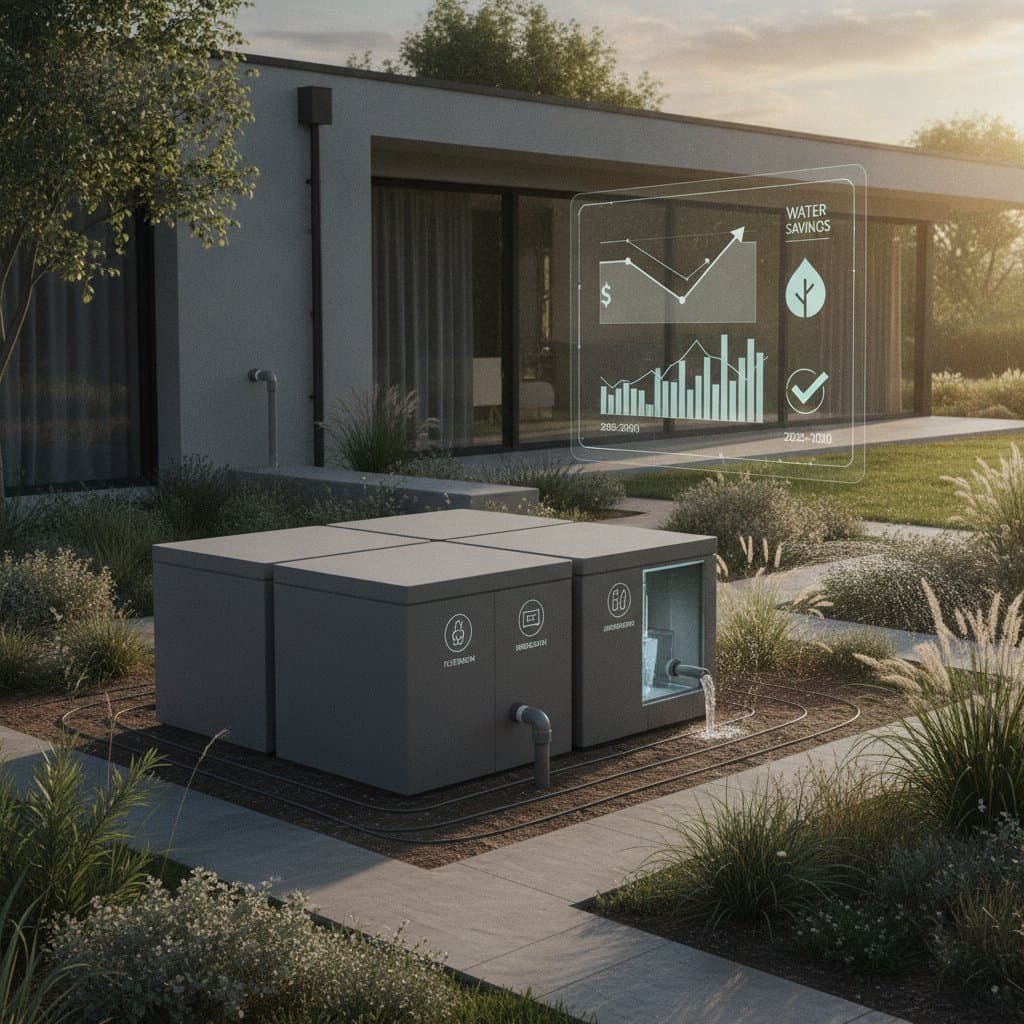
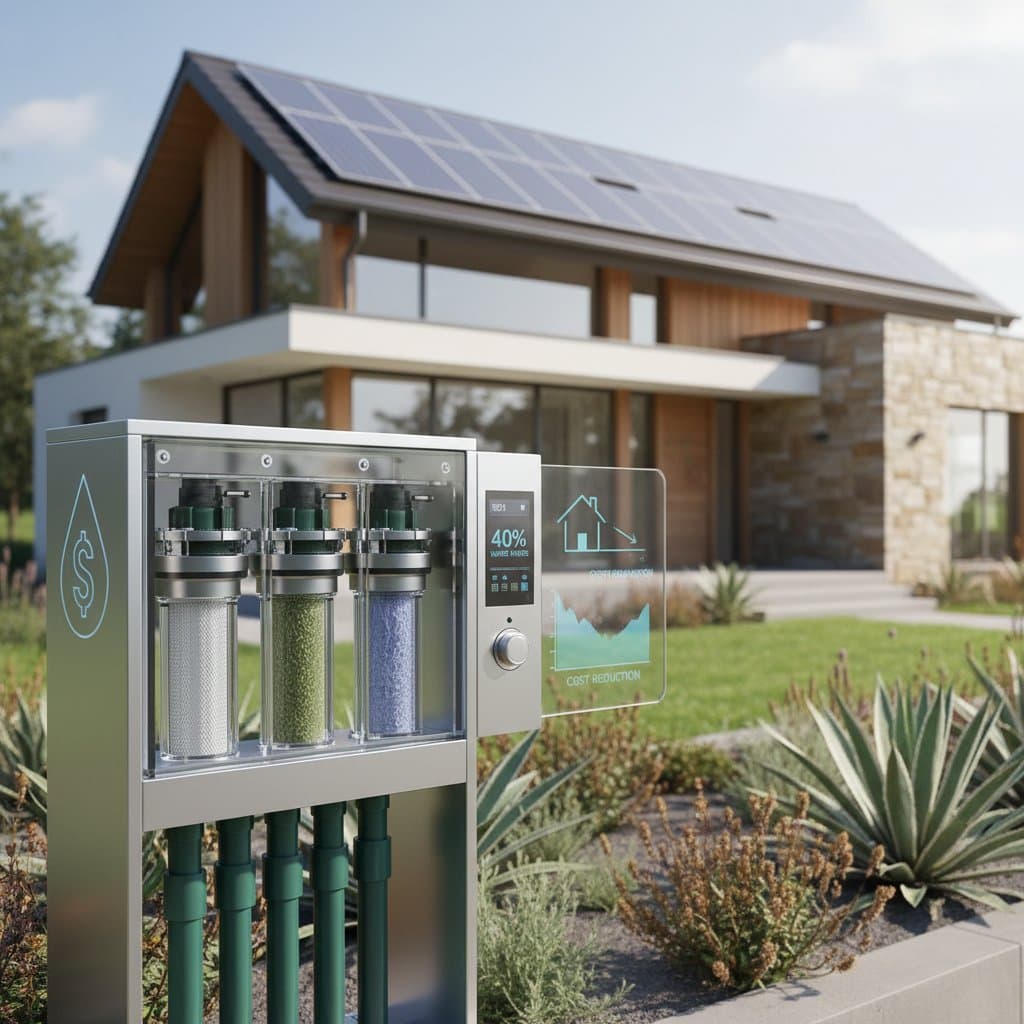
Effective greywater systems decrease household water consumption by 25 to 40 percent, influenced by local weather and habits. Such reductions accumulate quickly, often offsetting upfront investments in three to seven years. Regions facing elevated water prices or conservation mandates accelerate payback periods.
DIY vs. Professional Installation: Choosing Wisely
A key decision in greywater adoption involves opting for self-installation or professional services. Both paths present distinct pros and cons tailored to different skill levels and priorities.
Benefits of DIY Greywater Systems
DIY appeals to those proficient in fundamental plumbing and yard work. Advantages encompass:
- Reduced initial outlay through material repurposing and elimination of contractor fees
- Full oversight of customization and routine upkeep
- Quicker deployment for irrigation-centric designs
Risks arise from errors, such as faulty seals or insufficient screening, which may cause unpleasant smells, blockages, or environmental harm.
Benefits of Professional Installation
Engaging certified plumbers or water management experts guarantees adherence to regulations and reliable function. They manage planning, approvals, and validation, delivering assurance and superior outcomes. Higher costs yield systems that perform more effectively, endure longer, and require less hands-on care.
Skill and Equipment Requirements
DIY efforts necessitate tools like pipe cutters, PVC components, regulators, connectors, and strainers. Participants should understand terrain characteristics, natural drainage, and safety protocols for watering. Experts deploy pumps, purifiers, and automated controls to refine distribution and purity.
Safety and Time Considerations
Greywater remains unsuitable for consumption, demanding strict separation from potable supplies. DIY endeavors might span multiple weekends, whereas specialists finish in one to three days. Evaluate personal time worth and hazard exposure when selecting an approach.
Common Greywater Questions Addressed
Industry specialists provide responses to frequent inquiries.
What is greywater?
Greywater consists of wastewater generated from bathing, washing, and laundry activities. It omits sewage from toilets or food preparation sinks. Proper processing allows safe application to landscaping or toilet flushing.
How much does maintenance cost?
Annual upkeep ranges from $50 to $200. This covers filter rinsing, valve examinations, and detection of obstructions or drips.
Do I need a permit?
Permits apply in many areas for systems involving indoor redistribution. Simpler outdoor watering setups face fewer hurdles. Consult municipal guidelines early.
Can greywater be stored?
Brief retention works, limited to 24 hours to curb microbial proliferation. Direct conveyance prevails over tank storage in most designs.
Does it affect home value?
Sustainability features like greywater appeal to discerning purchasers, signaling reduced ongoing expenses.
What plants benefit most?
Greywater suits fruit-bearing trees, bushes, and decorative flora. Reserve treated variants for leafy greens or tubers.
Are filters necessary?
Filters prove essential to capture fibers, strands, and particles, safeguarding earth and conduits.
Can I use laundry detergent with greywater?
Select biodegradable options low in salts. Conventional formulas risk damaging vegetation or ground.
What are common problems?
Frequent challenges include obstructed screens, improper gradients in lines, and excessive watering. Proactive checks mitigate these.
How do I winterize the system?
Evacuate exterior pipes and eliminate pooled liquid ahead of frost. Insulate or apply heating elements to interior components as needed.
How long do systems last?
With diligent maintenance, systems endure 10 to 15 years. Components such as screens or motors may require earlier updates.
Step-by-Step Guide to Deciding on a Greywater System
1. Assess Your Water Use
Examine utility statements to gauge savings potential. Larger households or expansive yards stand to gain the most.
2. Evaluate Your Skills and Resources
DIY suits individuals with plumbing know-how and availability for ongoing tasks. Lacking these, professional services provide dependability.
3. Calculate True Costs
Account for supplies, approvals, and yearly care. Offset these against anticipated reductions in water charges.
4. Consider Risks
Identify hazards like code infractions, contamination, or repair demands. Professional input minimizes these for complex sites.
5. Make Your Choice
Select based on budget, expertise, and objectives. Test small-scale trials if uncertain before full commitment.
Preparing for Your Greywater Project
- Investigate regional regulations to identify permissible configurations.
- Draft a schematic detailing wastewater origins and target application areas.
- Allocate funds covering approvals, components, and enhancements.
- Time the work for temperate seasons to ease exterior modifications.
- Design for simplicity in accessing strainers and controls to facilitate upkeep.
Advancing Sustainable Water Practices at Home
Greywater systems repurpose routine outflows into assets for conservation. Opting for a modest self-built unit or a robust expert solution yields decreased expenses, vibrant grounds, and enduring ecological contributions.