Greywater Systems in 2026: Costs and Permits for Achieving Home Savings
Rising water expenses prompt homeowners to seek methods for reducing consumption without compromising daily comfort. Greywater systems provide an effective approach by redirecting mildly contaminated household water toward irrigation or toilet flushing. These installations lower utility bills, advance environmental sustainability, and enhance home resilience amid water shortages. Knowledge of associated costs, permitting processes, and design options facilitates a seamless and cost-effective implementation.
Functions of Greywater Systems
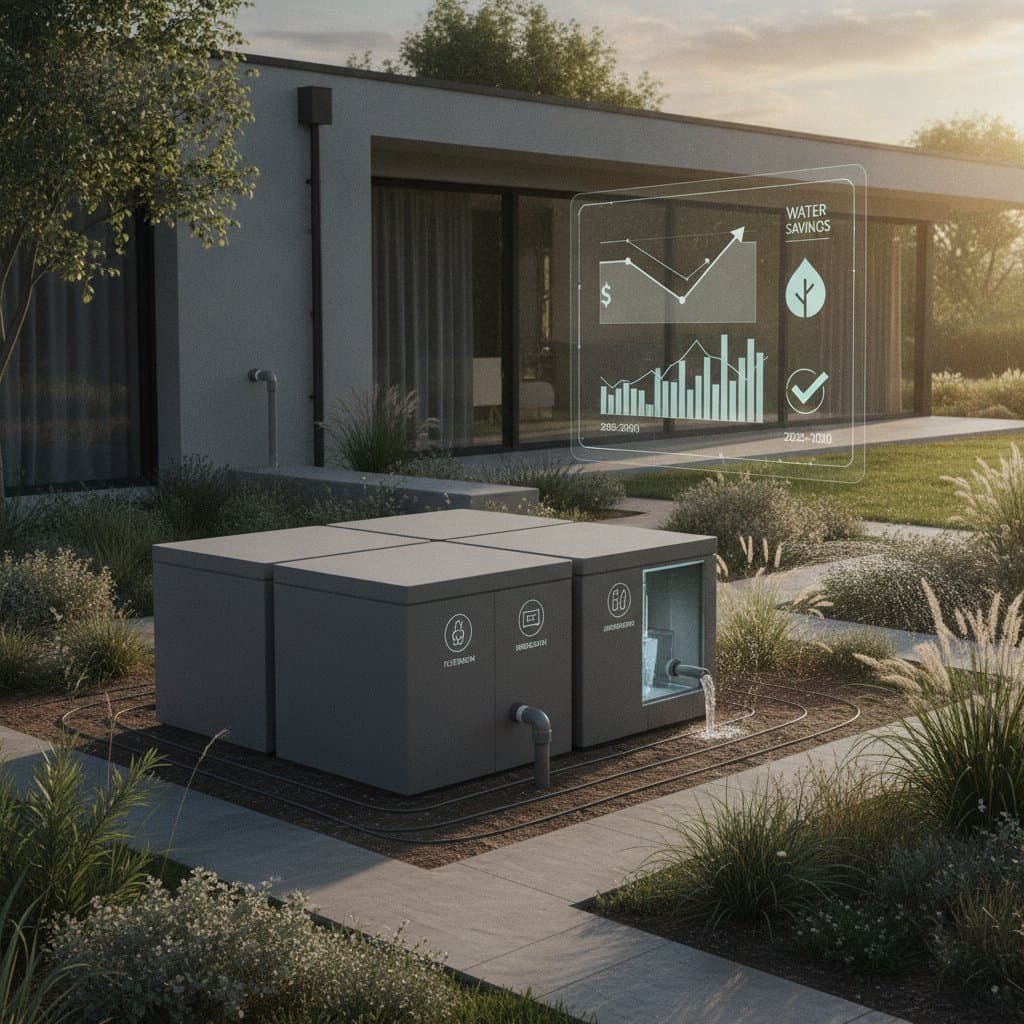
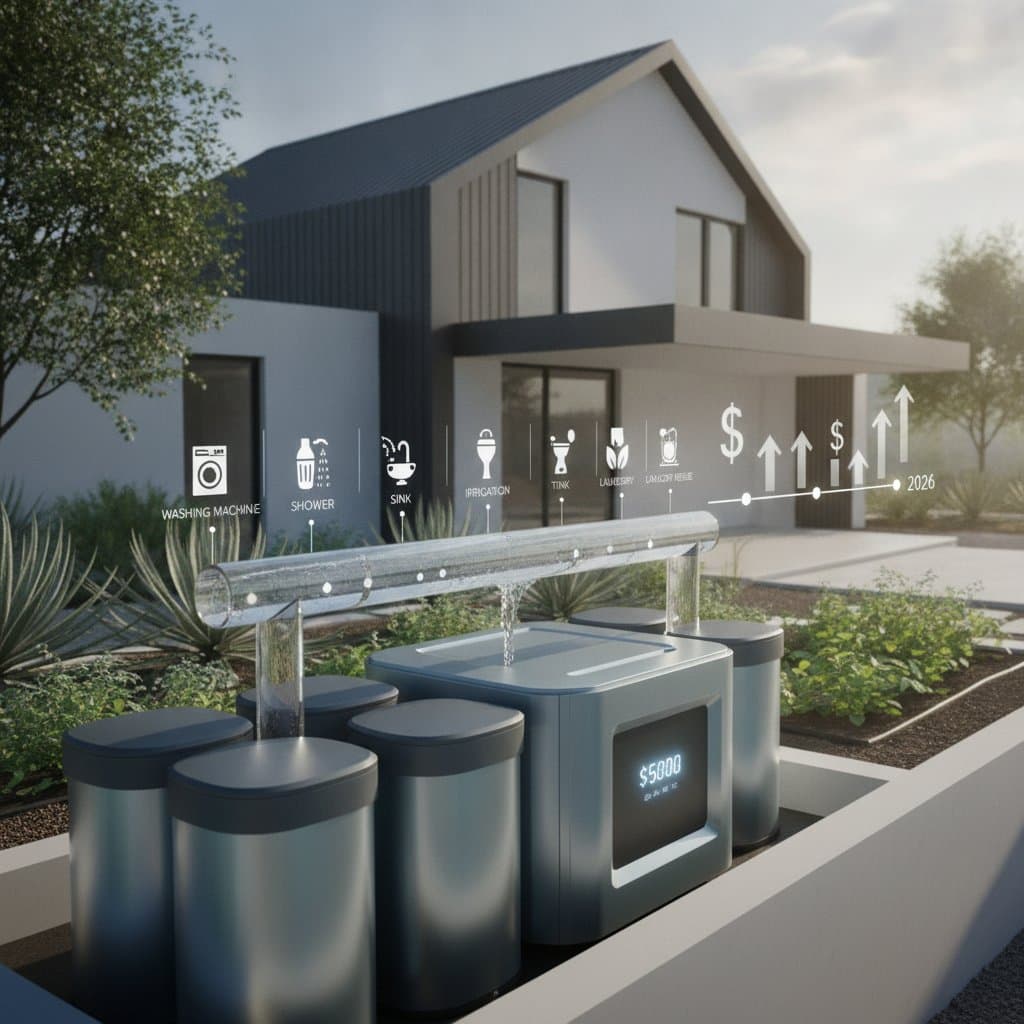
Greywater originates from sources such as sinks, showers, bathtubs, and washing machines. This water excludes outputs from toilets or kitchen garbage disposals due to elevated contamination levels. Rather than discharging this resource into sewers, a greywater system employs filtration and redirection for non-potable applications. Basic configurations channel water directly to garden areas, whereas sophisticated setups utilize treated water via drip irrigation networks or dedicated toilet supply lines.
Greywater systems divide into two primary types:
- Direct diversion systems rely on gravity or minimal pumping to convey greywater to landscape zones. These options prove economical and require limited ongoing maintenance.
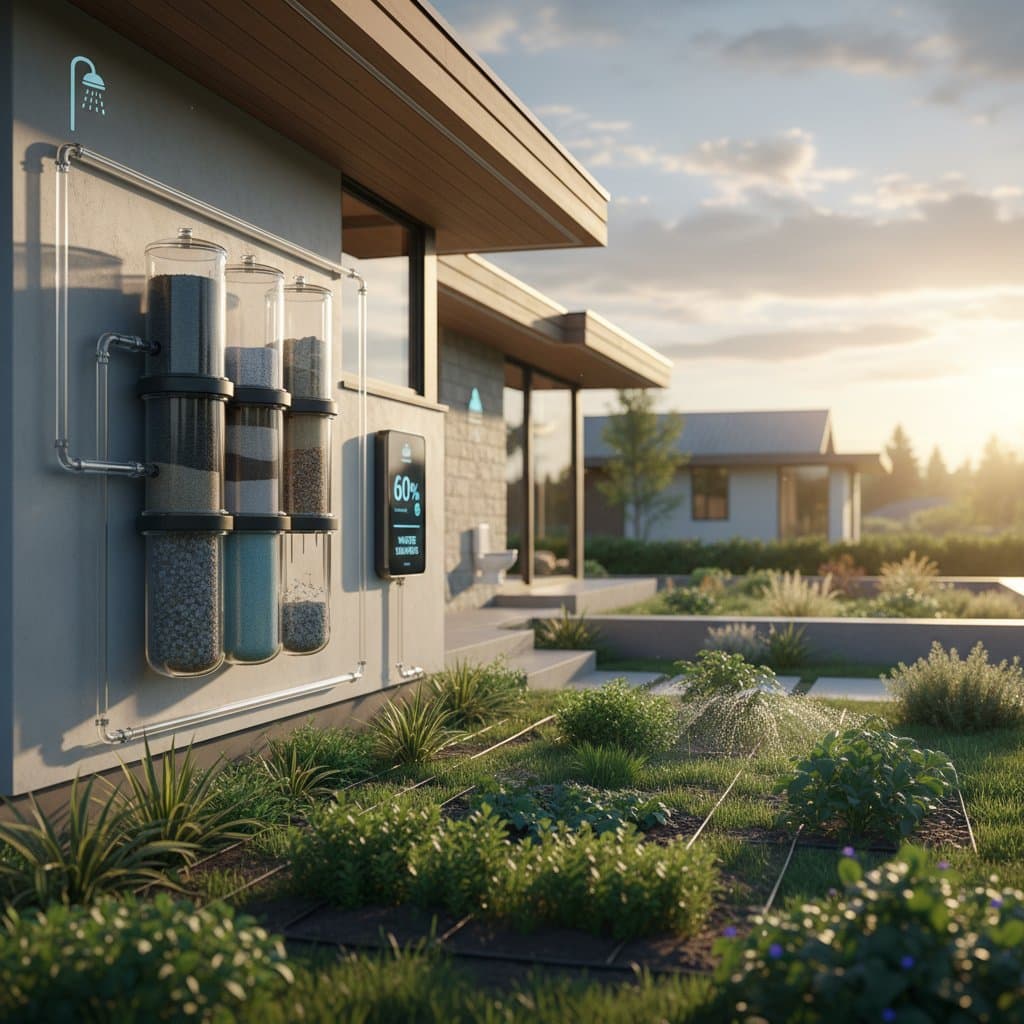
- Treatment and storage systems purify and retain water for subsequent applications. Such systems demand additional components and regulatory approvals yet provide expanded versatility.
Detailed Cost Analysis for Greywater Installations
System expenses fluctuate according to type, site configuration, and jurisdictional rules. A fundamental laundry-to-landscape arrangement, which reroutes washing machine effluent, typically incurs 600 to 1,500 dollars in material and labor costs. Comprehensive whole-house variants incorporating filtration, pumps, and subsurface conduits generally span 3,000 to 8,000 dollars. Premium assemblies with automated monitoring or advanced irrigation features may surpass 10,000 dollars.
Efficient operation often yields 25 to 40 percent reductions in exterior water demands. In locales with elevated rates, return on investment materializes in five to seven years. Annual maintenance remains affordable, encompassing filter servicing, pump evaluations, and periodic rinsing, at approximately 50 to 150 dollars.
Navigating Permits and Regional Regulations
Permitting represents a frequently overlooked aspect of greywater initiatives. Numerous homeowners presume that every reuse endeavor necessitates voluminous documentation, although many locales streamline approvals for modest setups. Laundry-specific systems, for example, might qualify under expedited protocols requiring mere notification to authorities rather than comprehensive plumbing endorsements.
Connections involving multiple fixtures or subsurface distribution typically mandate building permits to verify adherence to plumbing and ecological criteria. Permit charges range from 100 to 800 dollars, influenced by scope and geography. Certain jurisdictions extend rebates or offsets for recycling efforts, markedly diminishing net expenditures.
Initiate contact with the local building or water authority prior to commencement. This step clarifies precise code stipulations, permissible materials, and inspection protocols. Compliance averts penalties and safeguards asset worth upon transfer.
Selecting an Appropriate Greywater System for Residential Use
System selection commences with defining objectives for water reuse. For irrigating select trees or shrubs, a gravity-based diversion suffices. Properties featuring expansive gardens, numerous bathrooms, or substantial bills benefit from filtered, pumped configurations that maximize reductions.
Evaluate these elements:
- Source of water: Laundry outputs simplify diversion, given their isolation and proximity to external access points.
- Soil and terrain characteristics: Dense clay demands regulated dispersal to prevent accumulation; permeable sand facilitates drainage yet necessitates higher volumes.
- Regional climate: Arid zones favor reservoir-equipped systems for deferred deployment.
- Ongoing care dedication: Direct variants operate with negligible intervention, contrasting treatment models that involve routine servicing and component renewal.
Engage a certified plumber or greywater expert for accurate scaling and regulatory alignment. Design-build services from specialists encompass planning and execution, optimizing efficiency.
Prioritizing Safety and Upkeep Protocols
Responsible greywater handling safeguards public health and ecological integrity. Installations must avoid any interface with drinking water supplies. Opt for biodegradable cleansing agents devoid of salts or boron to prevent soil degradation and plant harm. Refrain from directing greywater toward food-producing vegetation absent rigorous treatment.
Conduct monthly examinations of filters and valves amid peak utilization. Test pumps quarterly to verify reliable output. In temperate climates, protect or empty surface lines pre-winter to avert freeze damage. Consistent monitoring prolongs durability and sustains efficacy.
Leveraging Incentives and Realizing Enduring Benefits
Utilities and local governments frequently provide rebates of 100 to 2,000 dollars for compliant greywater projects. These initiatives promote resource preservation and accelerate financial recovery. Pairing systems with indigenous plants or precision irrigation amplifies conservation outcomes, potentially halving overall water needs.
Greywater enhancements attract environmentally aware purchasers beyond mere bill reductions. Market professionals note increasing demand for residences with integrated features like solar energy, rainwater collection, and greywater circuits. Such modifications underscore strategic planning and enduring fiscal advantages.
Sustaining Greywater System Performance Over Time
Post-installation, greywater systems yield prolonged returns through straightforward oversight. Maintain a record of evaluations, filter renewals, and corrective actions to track reliability.
Scalability supports phased adoption; commence with laundry integration and later incorporate sinks or showers upon demonstrated gains. This modular approach aligns with evolving priorities and finances.
Mastery of costs, approvals, and care empowers informed choices that preserve resources, trim expenses, and augment home resilience. Greywater systems enable prudent stewardship, fostering vibrant and adaptive living spaces.