Greywater Systems: DIY vs Pro Installation Costs
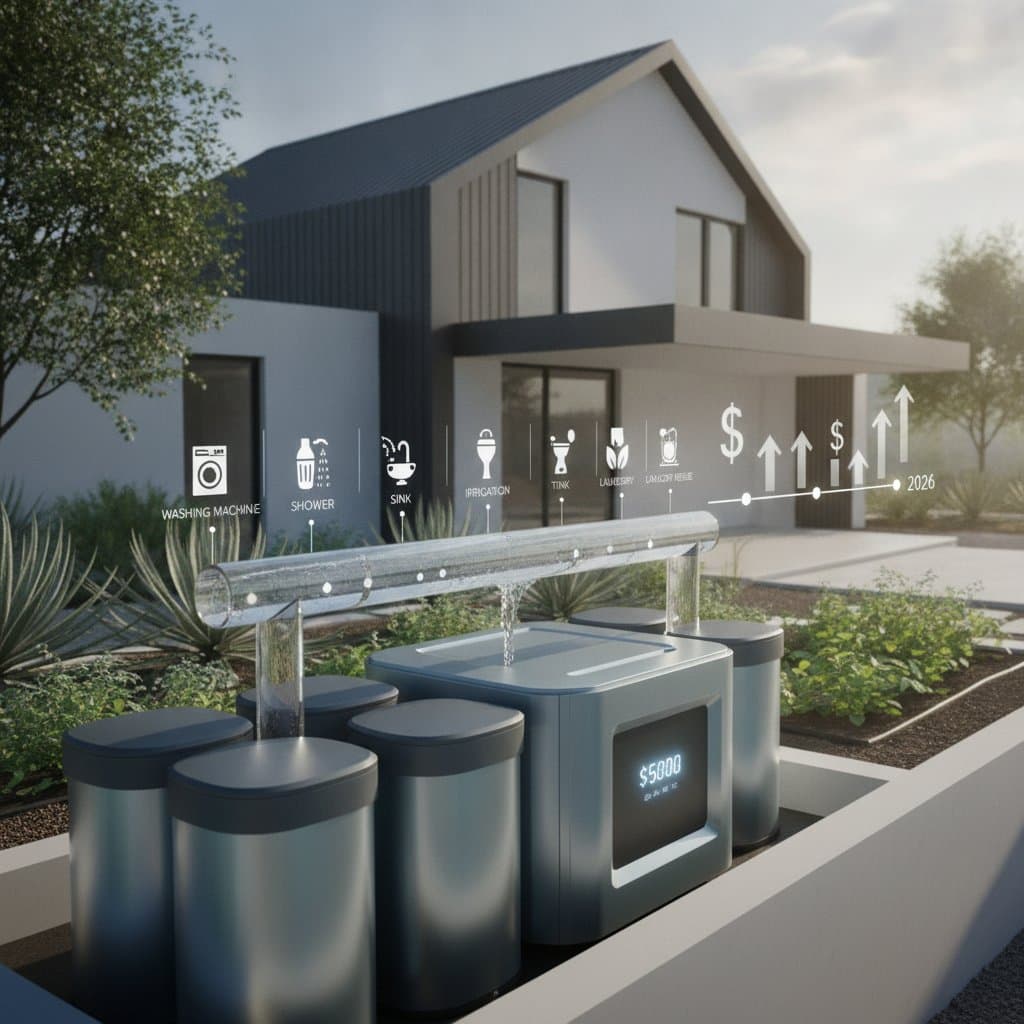
Greywater recycling transforms everyday wastewater from sinks, showers, and laundry into a valuable resource for irrigation and other non-potable uses. This approach reduces water consumption and lowers utility bills while promoting environmental sustainability. In 2026, with rising water costs and stricter conservation regulations, installing a greywater system offers homeowners a practical path to efficiency.
Several factors influence the overall cost of a greywater system. System complexity plays a key role; a basic gravity-fed setup, which relies on natural flow without pumps, typically ranges from $500 to $1,500 in materials. More advanced pumped or filtered systems, designed for broader reuse, can exceed $3,000 due to electrical components and treatment units. Home layout also affects expenses; multi-story residences or properties with challenging terrain demand additional piping and elevation adjustments, potentially adding $500 or more.
Water volume determines the scale of storage and treatment needs. Households generating 50 gallons of greywater daily might require a 100-gallon tank, while larger families need expanded capacity, increasing costs by 20 to 50 percent. Local climate influences design; in drought-prone regions, enhanced filtration for soil application raises prices, whereas wetter areas might suffice with simpler diversion methods. Regulations vary widely; some jurisdictions mandate certified installers and advanced pathogen removal, which can double the investment through compliance testing and permits.
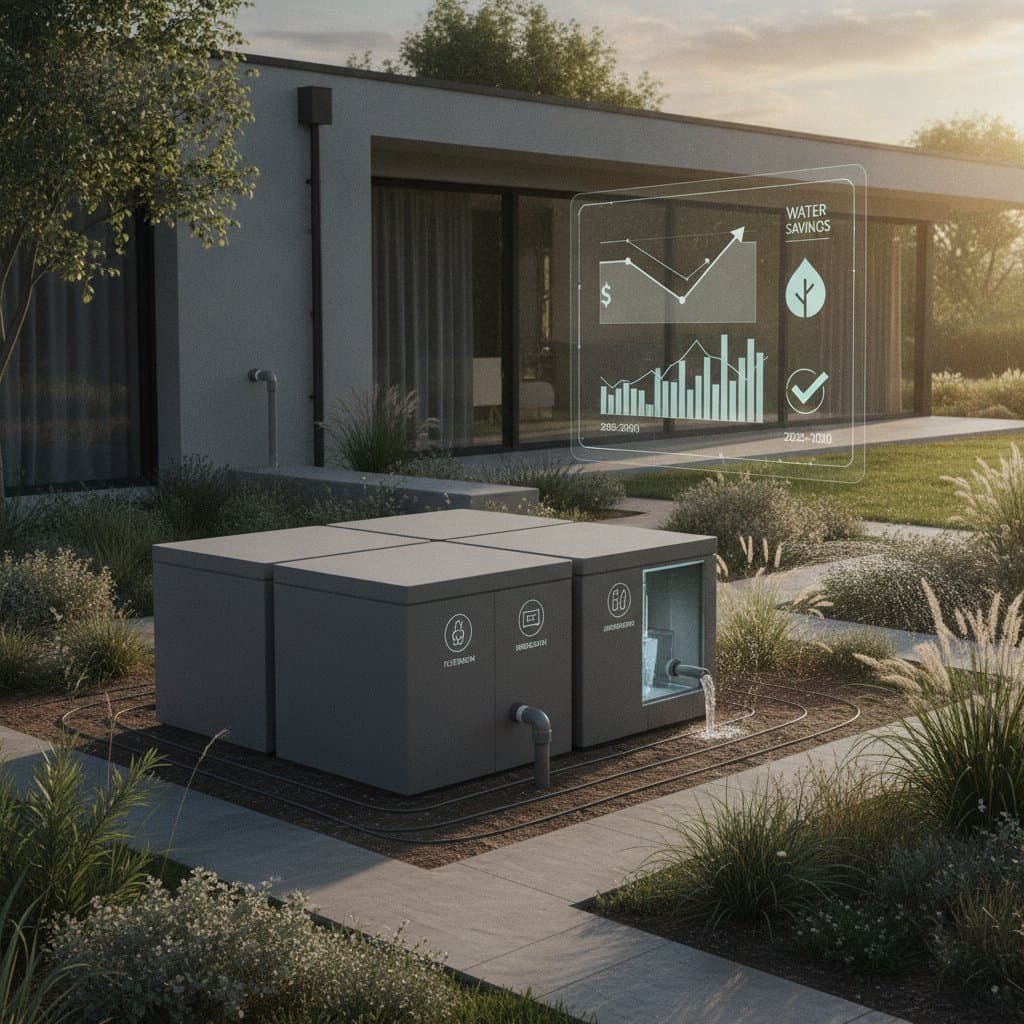
When evaluating prices, homeowners must account for long-term savings. Reduced water bills often recoup initial outlays within five years, and the ecological benefits, such as decreased strain on municipal supplies, add intangible value. Professional assessments can reveal site-specific efficiencies that maximize returns.
When DIY Might Save or Cost More
Opting for a do-it-yourself greywater system appeals to those seeking upfront savings, but outcomes depend on execution. Basic DIY projects, such as diverting laundry water to a garden mulch basin, require minimal investment in pipes and fittings, often under $300. However, errors like improper sealing can cause leaks that damage foundations or contaminate soil, leading to repair bills surpassing professional quotes.
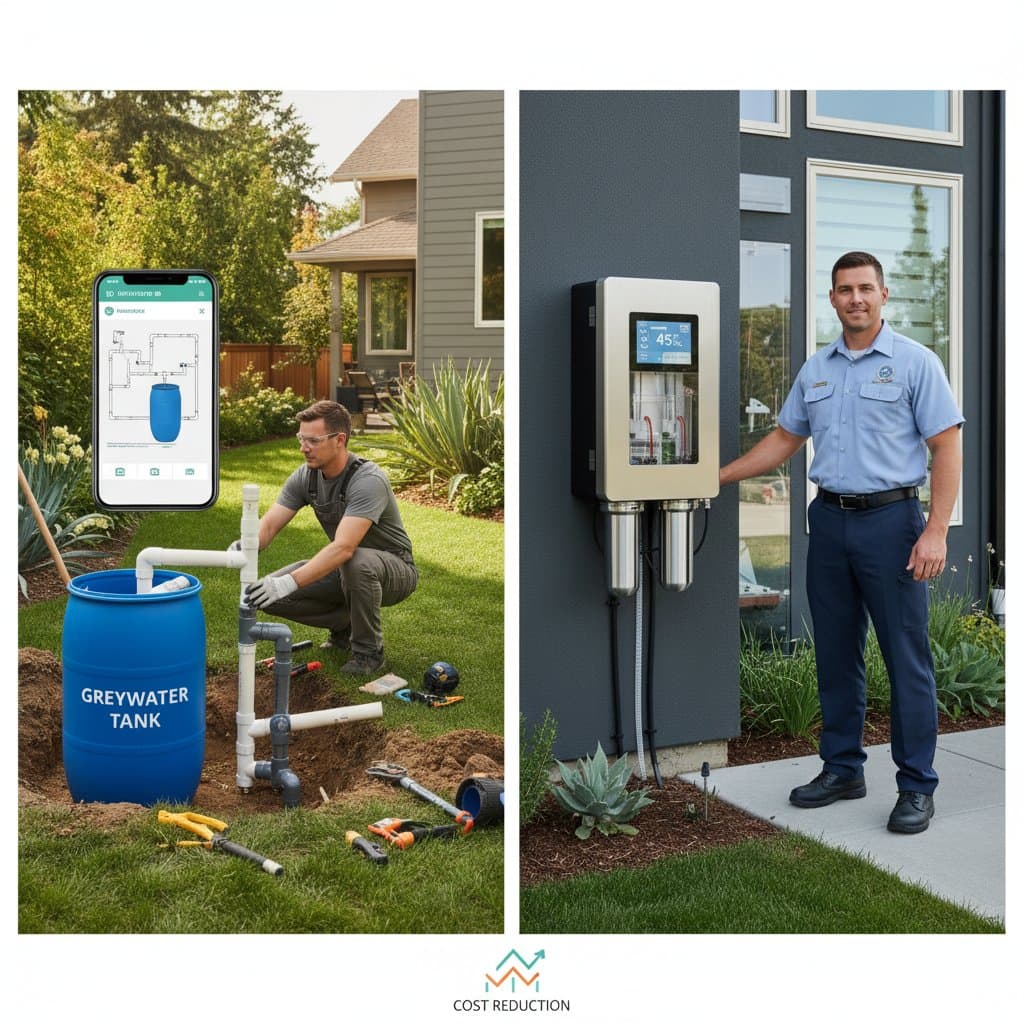
Professional installations, though pricier at $2,000 to $10,000, incorporate durable materials and optimized layouts for longevity. These systems minimize energy use and integrate seamlessly with existing plumbing, reducing future interventions. Homeowners without plumbing expertise risk voiding insurance or facing fines for code violations, tipping the scales toward higher lifetime costs with DIY.
DIY vs Professional: Making the Right Choice
The decision between DIY and professional installation hinges on individual circumstances, including technical aptitude and project scope. For simple, low-volume applications, DIY provides empowerment and customization. Larger or integrated systems benefit from expert oversight to ensure reliability and safety.
Benefits of DIY Systems
- Initial costs remain low, often limited to $200 to $800 for materials like PVC pipes and diverter valves.
- Customization allows tailoring to unique needs, such as directing shower water to specific landscape zones.
- Personal involvement fosters a sense of accomplishment in contributing to household sustainability.
Drawbacks of DIY Systems
- Installations frequently fail to align with plumbing codes, risking health hazards from bacterial growth.
- Incorrect assembly heightens chances of leaks, clogs, or cross-contamination with potable water.
- Options stay confined to rudimentary reuse, excluding advanced features like automated filtration.
Benefits of Professional Systems
- Designs account for precise water flow patterns, optimizing reuse without excess waste.
- Full adherence to local codes avoids penalties and ensures eligibility for rebates or incentives.
- Warranties cover components for 5 to 10 years, with optional service plans for ongoing support.
Drawbacks of Professional Systems
- Upfront expenses range higher, reflecting labor, engineering, and quality materials.
- Processes involve scheduling around permits, extending timelines to 1 to 4 weeks.
- Maintenance agreements, while beneficial, add annual fees of $100 to $300.
Skill Level and Tools for DIY
Successful DIY requires familiarity with plumbing fundamentals, such as calculating pipe slopes for gravity flow and installing check valves to prevent backflow. Essential tools encompass pipe cutters for clean cuts, PVC cement for secure joints, adjustable wrenches for fittings, and a level for alignment. Beginners should consult detailed guides or online tutorials to avoid pitfalls like uneven trenches that cause pooling.
Safety and Time Considerations
Preventing greywater from entering clean water supplies demands rigorous separation; use air gaps or dual plumbing lines to isolate sources. Blackwater from toilets and kitchen disposals must remain excluded to avoid health risks. Professionals employ certified protocols for pathogen control, whereas DIY enthusiasts need vigilant monitoring.
Installation duration varies; experts complete most jobs in 3 to 7 days, coordinating with inspectors efficiently. DIY efforts often span multiple weekends, factoring in learning curves and unexpected adjustments.
Your Greywater Questions, Answered
How much does a greywater system cost?
Basic DIY configurations start at $300 for diverters and basic tanks, while professional whole-home setups reach $5,000 to $15,000, depending on capacity and technology.
What is included in a professional installation?
Packages encompass site surveys, custom blueprints, sourcing of compliant materials, on-site assembly, performance testing, and final certifications. Many include post-installation training on operation.
Can I use greywater for all household needs?
Greywater suits irrigation, flushing toilets, or outdoor cleaning but never potable purposes. Strict barriers prevent any mixing with drinking water sources.
Do I need a permit?
Permanent systems typically require local approvals to verify safety and environmental impact. Consult building departments early to outline requirements.
What maintenance is required?
Routine tasks involve rinsing filters monthly and inspecting tanks quarterly for sediment. Professionals recommend annual professional cleanings to sustain efficiency.
What are the most common problems?
Filters clog from soap residues, pipes leak at joints, and odors develop in stagnant areas. Proactive flushing and ventilation mitigate these issues.
Can greywater systems operate year-round?
Most function continuously, but freezing temperatures necessitate buried lines or heated tanks. Insulation wraps protect exposed components in colder zones.
How long do systems last?
Quality installations endure 15 to 25 years, with pumps and filters replaced every 5 to 10 years based on usage intensity.
What are red flags when hiring a professional?
Avoid contractors who dismiss permit discussions, lack verifiable licenses, or propose unproven filtration without documentation.
How do I prepare for installation?
Map greywater sources, measure available space for tanks, and review utility layouts. Budget for contingencies like soil testing in restrictive areas.
How to Decide: Your Step-by-Step Guide
Step 1: Assess Your Situation
Track daily water usage to identify prime greywater sources, such as bathroom sinks producing 20 to 30 gallons per person. Consider landscape needs for irrigation volume.
Step 2: Evaluate Your Skills and Resources
Review past projects; if comfortable with basic electrical and digging, pursue DIY for simplicity. Complex integrations favor professional input.
Step 3: Calculate True Costs
Tally materials at $0.50 to $2 per foot for piping, plus labor at $75 to $150 hourly for pros. Subtract projected bill savings of 30 to 50 percent.
Step 4: Assess Risks
Weigh fines up to $1,000 for non-compliance against professional assurances. Factor health implications of potential contamination.
Step 5: Make the Final Choice
Align selection with financial limits and sustainability aims. Prioritize options that deliver dependable, code-compliant performance.
Preparing for Your Greywater Project
Begin by gathering resources: obtain soil percolation tests to confirm drainage suitability and select materials rated for wastewater exposure. Coordinate with family on usage patterns to size the system accurately. Secure storage for tools and components to streamline the process.
Engage neighbors or online communities for insights on local suppliers. Finalize a timeline that accommodates weather, ensuring dry conditions for trenching.
Sustaining Your Eco-Friendly System
Once operational, monitor flow rates weekly to detect inefficiencies early. Integrate the system into routines, like directing laundry cycles to garden beds during peak growth seasons. Track water savings through meter readings to quantify environmental impact.
Upgrade components as technology advances, such as adding sensors for automated alerts. This ongoing commitment amplifies benefits, fostering a resilient, water-wise home for years ahead.