Pre-Season AC Maintenance That Saves Money This Summer
When temperatures climb, an efficient air conditioner shifts from luxury to essential. Pre-season maintenance stands out as a straightforward method to guarantee smooth operation, minimize energy expenses, and sidestep failures during the hottest periods. A handful of proactive measures taken now prevent steep repair bills and maintain comfort throughout the season.
Why Pre-Season Maintenance Matters
Numerous homeowners delay AC testing until the initial heatwave strikes, only to discover malfunctions. Accumulated dust, deteriorated components, and insufficient refrigerant levels diminish performance or halt operations altogether. Consistent upkeep prolongs equipment lifespan and sustains optimal function precisely when demand peaks. A properly serviced unit consumes up to 15 percent less energy than a disregarded counterpart.
Understanding the Cost Benefits
Hiring a professional for AC servicing typically incurs far lower fees than addressing major overhauls or complete replacements. Routine inspections uncover minor faults before escalation into significant expenditures. For instance, a blocked filter compels the compressor to labor excessively, elevating power consumption and risking failure. Early intervention averts such crises.
Homeowners contribute through basic upkeep as well. Tasks such as filter replacement, debris removal, and airflow verification enhance output and trim utility statements. Integrating expert service with personal efforts yields superior enduring financial advantages.
The Essential Pre-Season AC Maintenance Checklist
Prior to summer onset, execute these vital procedures to ready the air conditioner for intensive operation:
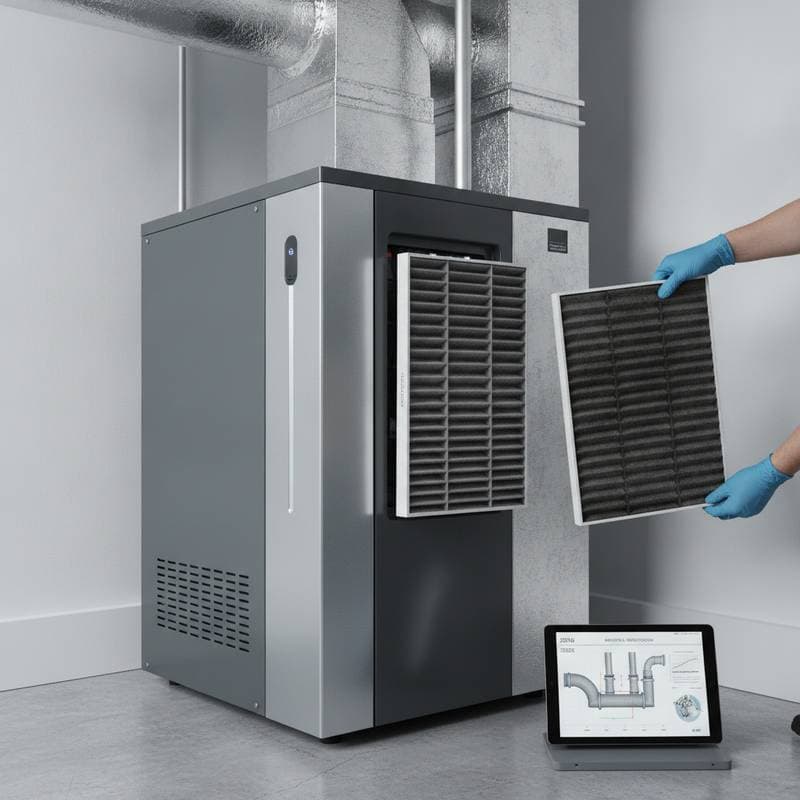
- Replace or clean air filters. Obstructed filters impede circulation and compel harder effort from the unit. Inspect monthly throughout the cooling period.
- Inspect the thermostat. Verify precise response and evaluate upgrading to a programmable or smart variant for enhanced regulation.
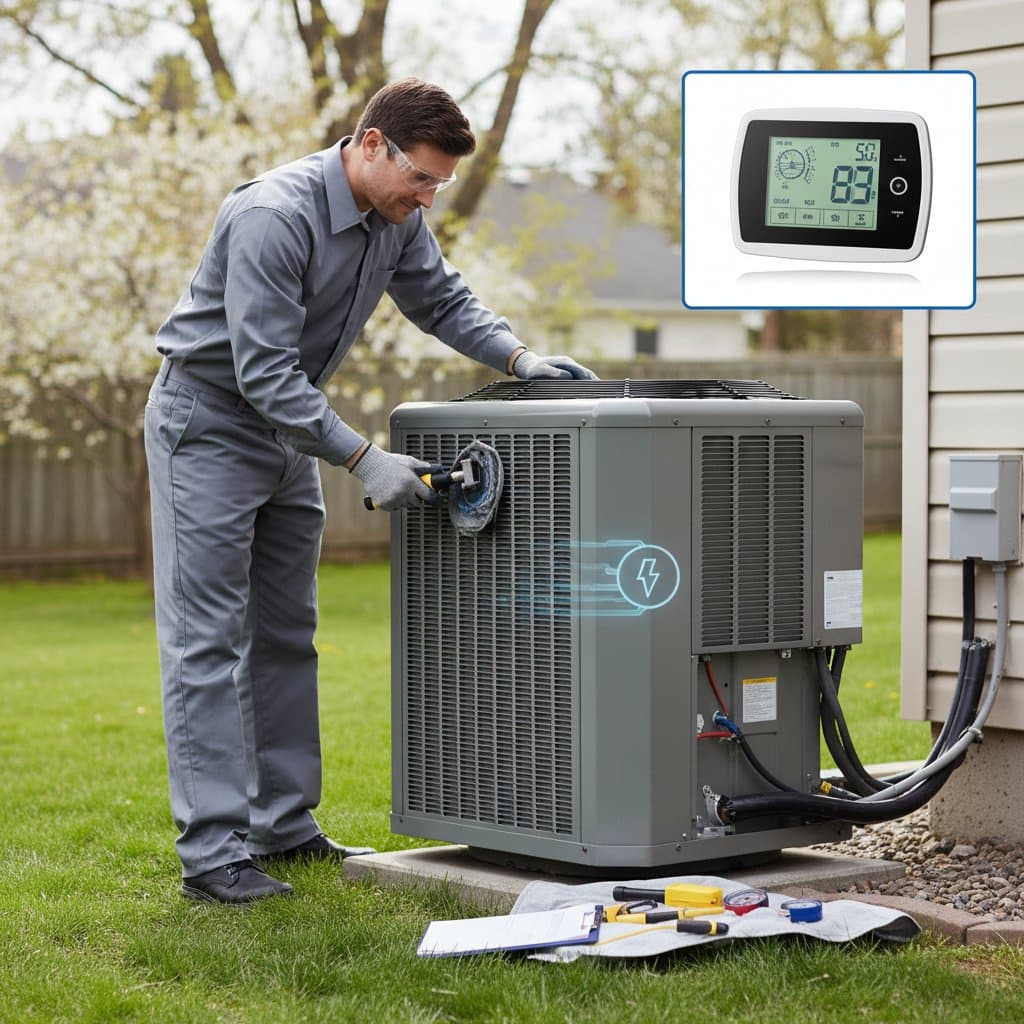
- Clean the condenser coils. The exterior unit gathers grime and obstructions that hinder heat dissipation. Rinse gently using a garden hose.
- Check refrigerant levels. Deficient refrigerant signals potential leaks that impair cooling and inflate expenses. Professionals handle this assessment most effectively.
- Clear the condensate drain. Accumulated algae or sediment clogs the pathway, risking interior water harm.
- Examine ductwork. Fissures in ducts permit cooled air to dissipate, squandering resources. Apply foil tape or mastic to seal evident breaches.
- Test the system. Activate the AC briefly to detect atypical sounds or tremors indicating mechanical concerns.
These evaluations substantially elevate reliability and alleviate stress during intense warmth.
DIY vs Professional Maintenance
Certain procedures suit homeowner capabilities, whereas others demand technical proficiency and equipment.
DIY tasks include:
- Swapping air filters
- Wiping vents and registers
- Eliminating refuse surrounding the exterior unit
- Validating thermostat configurations
Professional tasks include:
- Evaluating refrigerant pressure
- Reviewing electrical linkages
- Assessing system controls and safety mechanisms
- Quantifying airflow and temperature variations
Technicians spot subtle indicators such as frayed belts, refrigerant shortages, or wiring anomalies that elude most individuals. An annual expert evaluation secures dependability and energy thrift.
Your AC Maintenance Questions, Answered
How often should I replace my air filter?
Replace disposable filters every one to three months, adjusted for utilization and air purity. Clean and dry reusable filters prior to reinsertion.
When should I schedule professional maintenance?
Arrange an inspection ahead of peak cooling demands to confirm readiness for sustained performance.
What are signs my AC needs service?
Blowing warm air, odd sounds, diminished flow, or peculiar scents signal the need for attention.
Can I clean the coils myself?
Rinse exterior coils lightly, yet entrust thorough decontamination to experts to preserve fin integrity.
Do I need to cover my outdoor unit in winter?
Coverage remains discretionary. Opt for permeable material to shield from litter, avoiding snug enclosures that trap humidity.
How do I know if my thermostat is accurate?
Contrast readings with an independent thermometer. Discrepancies exceeding a few degrees warrant adjustment or substitution.
Steps to Optimize Summer Performance
After completing maintenance, operate the system momentarily to verify seamless function. Adjust the thermostat to an economical setting and draw shades during peak sun to lessen workload. Prune vegetation near the outdoor unit for unobstructed ventilation.
Pre-season preparation delivers comfort alongside fiscal relief. Such diligence curbs utility outlays, curtails repair demands, and prolongs cooling system durability.