Why October Chimney Checks Prevent Winter Disasters
A warm fire on a cold night ranks among the finest comforts of home. That cozy moment relies on a safe and efficient chimney, an element often overlooked. October serves as the ideal time for homeowners to schedule a chimney inspection before the heating season starts. Early detection of problems prevents fires, carbon monoxide leaks, and expensive repairs as winter arrives.
Understanding Why Timing Matters
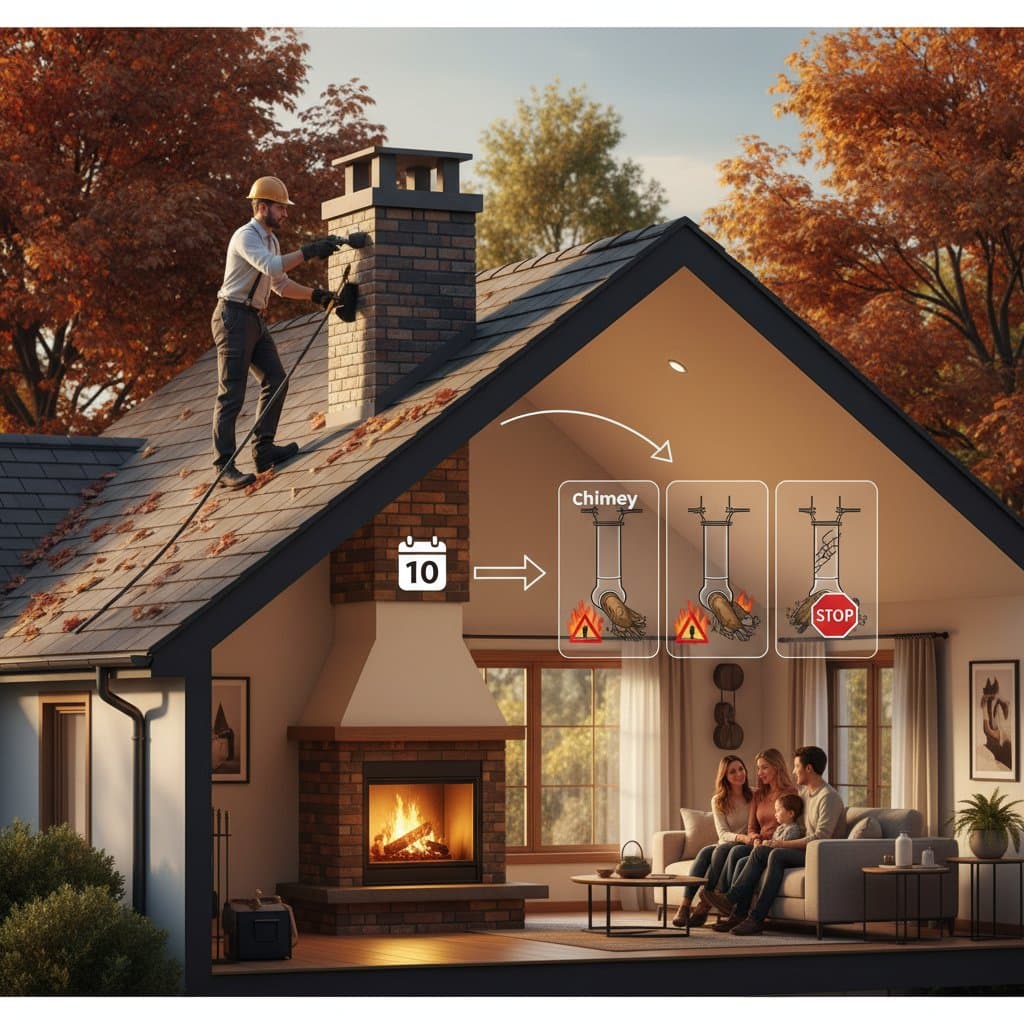
Chimneys endure the most stress during winter, when fireplaces, wood stoves, and heating systems operate frequently. Soot, debris, and creosote—a highly flammable residue from wood combustion—build up inside the flue over time. Moisture, animal nests, and structural wear intensify as temperatures fall. An October inspection confirms the chimney remains clean, clear, and safe before heavy usage begins.
Fall offers optimal conditions for maintenance. Mild weather facilitates access, scheduling proves simpler, and professionals maintain greater availability than during peak winter demand. This proactive approach avoids emergencies when reliance on heating peaks.
What an October Chimney Inspection Includes
Professional chimney inspections extend far beyond a superficial glance into the flue. Technicians conduct a thorough evaluation to uncover safety and performance concerns before they escalate.
Key steps in the process include:
- Visual assessment of the chimney exterior for cracks, leaning, or deteriorating mortar.
- Interior flue examination with a flashlight or camera to identify creosote buildup, blockages, or damage.
- Inspection of the smoke chamber and damper to verify smooth operation and secure airflow.
- Evaluation of the roofline, including flashing, caps, and seals that block moisture entry.
- Review of combustion appliance connections to confirm proper venting for gas or oil systems.
Upon discovering issues, technicians might suggest cleaning, minor masonry repairs, or a level-two inspection featuring video scanning for deeper analysis.
The True Cost of Neglect
Postponing a chimney inspection appears minor, yet it invites severe risks and expenses. Creosote accumulation poses the primary threat; even a modest layer ignites at elevated temperatures, sparking rapid chimney fires. Structural cracks or absent caps permit water and debris infiltration, resulting in corrosion, masonry breakdown, or persistent odors.
Neglect diminishes heating efficiency as well. Blocked flues hinder proper draft, allowing smoke and gases to enter living spaces. This elevates the danger of carbon monoxide poisoning when exhaust fails to vent adequately. Costs for structural fixes or fire recovery exceed those of a routine fall inspection by a wide margin.
DIY vs Professional Checks
Homeowners sometimes consider inspecting or cleaning their own chimneys. Basic visual assessments provide value, but comprehensive evaluations demand specialized tools and expertise. Professionals detect concealed cracks, gauge creosote depth, and assess venting systems without risk.
DIY Checks You Can Perform
Conduct these simple tasks to monitor your chimney:
- Examine the exterior for loose bricks, cracked mortar, or rust.
- Verify the cap secures tightly and lacks debris.
- From indoors, open the damper and direct a flashlight upward to spot soot or obstructions.
- Observe for smoky odors or weak draft during fire startup.
Such checks reveal early warnings between professional services, though they cannot substitute for expert care.
Why Professionals Make a Difference
Certified chimney technicians possess extensive experience, safety gear, and precise cleaning equipment. They navigate elevated areas securely, employ cameras for detailed views, and align with local safety codes. Annual professional inspections in fall deliver assurance that fireplaces and heating systems function safely and effectively through winter.
Answers to Common Chimney Inspection Questions
How often should a chimney be inspected?
Experts advise at least one annual inspection, timed before heating season onset. Heavy fireplace use or burning softwoods, which generate excess creosote, warrants more frequent evaluations.
What are signs that my chimney needs cleaning?
Watch for challenges in igniting fires, smoke filling rooms, foul smells, or soot visible near the fireplace. Birds or debris dropping into the hearth indicates blockages.
How long does an inspection take?
Standard inspections conclude in under an hour. Cleaning or minor repairs extend the duration as necessary.
Do gas fireplaces need chimney inspections too?
Affirmative. Gas appliances generate moisture and acidic byproducts that erode liners and vents. Routine checks maintain draft integrity and avert leaks.
Can rain damage a chimney?
Moisture ranks as a leading hazard. It penetrates cracks and freezes in cold conditions, widening the harm. Secure caps and flashing provide essential protection against water entry.
What is creosote and why is it dangerous?
Creosote forms as a tar-like deposit from wood burning. It adheres to flue surfaces and ignites readily. Professional removal during cleaning eliminates fire risks.
Should I schedule cleaning at the same time as inspection?
Professionals frequently bundle these services. This combination readies the chimney for safe, immediate use.
Are chimney repairs expensive?
Expenses vary by damage extent. Simple mortar work remains affordable, whereas liner replacements or rebuilds demand higher investment. Consistent maintenance curbs escalation to major costs.
What should I ask before hiring a chimney professional?
Inquire about certifications, insurance, and prior experience. Request an itemized quote and clarification on inspection scope.
What if I rarely use my fireplace?
Infrequent use does not exempt chimneys from checks. Weather, animals, and structural settling still inflict damage that compromises safety.
How to Prepare for Your October Chimney Appointment
Effective preparation streamlines the inspection. Clear space around the fireplace, relocate delicate objects, and provide roof or attic access if required. Refrain from fireplace use for twenty-four hours prior to allow surfaces to cool fully.
Compile a list of observed issues, including smoke difficulties or odors. Convey these to the technician for targeted attention. Note any shared flues among multiple heating devices.
Secure Your Home's Safety This Fall
Arrange your October chimney inspection as a key home maintenance priority. This step guarantees safe, efficient operation as temperatures decline. The resulting confidence in a well-maintained chimney proves invaluable for warmth and protection.
Early planning secures preferred slots, sidesteps premium charges, and resolves repairs pre-winter. Regardless of fuel type—wood, gas, or pellets—a pristine, inspected chimney safeguards your home, enhances comfort, and ensures family well-being throughout the season.