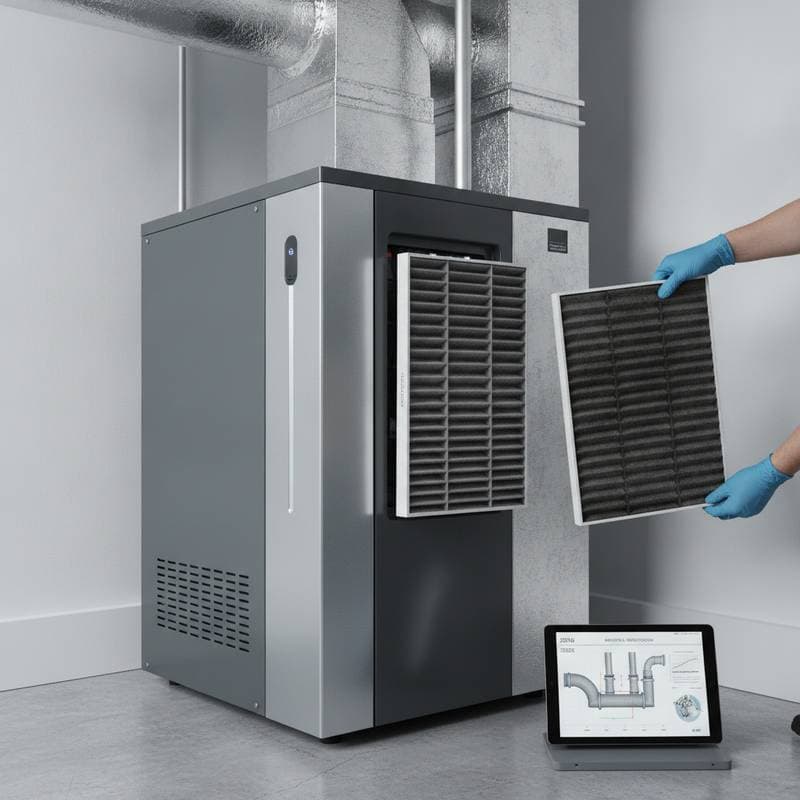
Why Fall is Prime Time for HVAC Filter Replacement
As autumn brings cooler temperatures, your heating, ventilation, and air conditioning system shifts into higher gear to maintain indoor comfort. This transition presents an ideal opportunity to replace air filters. A clean filter allows the system to operate efficiently, potentially reducing energy consumption by up to 15 percent according to industry studies.
Neglecting filter changes leads to restricted airflow, which forces the blower motor to work harder and increases utility bills. Beyond energy savings, fresh filters improve indoor air quality by trapping dust, pollen, and other particles. Homeowners who prioritize this simple task often report fewer allergy flare-ups and less dust accumulation throughout the house.
Ideal Replacement Schedules
Determine the frequency of filter changes based on your living environment and system usage. For most households, experts recommend checking filters every month and replacing them every one to three months. Homes with pets, smokers, or high dust levels may require more frequent swaps, perhaps every 30 to 60 days.
Consider the season as well. During fall and winter, when heating systems run more often, filters accumulate debris faster. Set a calendar reminder for early October to inspect and replace as needed. If your HVAC unit includes a filter change indicator light, follow its guidance for precise timing.
Understanding Filter Types and MERV Ratings
Filters come in various types to suit different needs. Basic fiberglass filters offer minimal protection at a low cost but capture only larger particles. Pleated filters, made from cotton or polyester, provide better filtration for everyday use.
For advanced air quality, electrostatic filters attract particles using static charge, while HEPA filters trap 99.97 percent of particles as small as 0.3 microns. Select based on your priorities: standard filtration for budget-conscious maintenance or high-efficiency options for allergy sufferers.
MERV stands for Minimum Efficiency Reporting Value, a scale from 1 to 20 that measures a filter's ability to capture particles. A MERV 8 rating suits most homes, balancing efficiency and airflow. Higher ratings, like MERV 13, excel at trapping fine dust and microbes but may strain older systems if not compatible. Consult your HVAC manual to ensure the chosen rating does not impede performance.
Costs and Top Brands to Consider
Expect to pay between five and twenty dollars per filter, depending on type and size. Standard 1-inch pleated filters cost around eight dollars, while custom HEPA units can reach fifty dollars or more. Bulk purchases from home improvement stores often yield savings, and subscription services deliver replacements seasonally.
Reputable brands include Honeywell for durable pleated options, Filtrete for color-coded MERV ratings that simplify selection, and 3M for high-performance filtration. Nordic Pure offers customizable sizes for unique ductwork. Invest in quality to avoid frequent replacements and maximize long-term value.
Step-by-Step Guide to Replacing Filters
Locate the filter slot, typically near the return air duct or inside the furnace cabinet. Turn off the HVAC system at the thermostat and breaker for safety. Slide out the old filter, noting the airflow direction indicated by an arrow.
Measure the dimensions if necessary, then insert the new filter with the arrow pointing toward the blower. Secure it in place and restore power. This process takes less than ten minutes and requires no special tools.
Test the system afterward by running the fan to confirm smooth operation. If airflow feels weak, double-check the installation. Professional assistance may help for complex setups or whole-house systems.
Troubleshooting Common HVAC Issues
Even with regular filter changes, minor problems can arise. Address them promptly to avoid larger repairs.
- Dirty ducts or vents: Clean registers and vacuum vent covers regularly to ensure unobstructed airflow.
- Humidity imbalance: Add or adjust a humidifier or dehumidifier to maintain optimal comfort levels between 30 and 50 percent relative humidity.
- Leaky ductwork: Seal visible gaps with foil tape or hire a technician for a pressure test to identify hidden leaks.
Routine attention to these details prevents recurring issues and sustains home comfort throughout the season.
Sustaining Long-Term Performance
Timely filter replacements safeguard more than the HVAC unit itself. They foster healthier living spaces, minimize dust on surfaces, and help manage allergy symptoms effectively. Develop a seasonal checklist to uphold these benefits:
- Inspect filters every month.
- Vacuum vents and return grilles thoroughly.
- Arrange professional servicing at the start of heating and cooling seasons.
- Clear leaves and debris from outdoor condenser units.
Consistent maintenance like this curbs expenses and prolongs equipment lifespan. With growing emphasis on energy conservation and pure indoor environments, filter swaps stand out as a straightforward, economical practice for discerning homeowners.
Realizing the Rewards of Proactive Care
Initiate your fall HVAC filter replacement now to equip the system for reliable operation and superior air quality ahead. The investment demands little time and expense, yet delivers swift enhancements in efficiency and well-being. Embrace this habit to enjoy a more comfortable, cost-effective home all winter long.