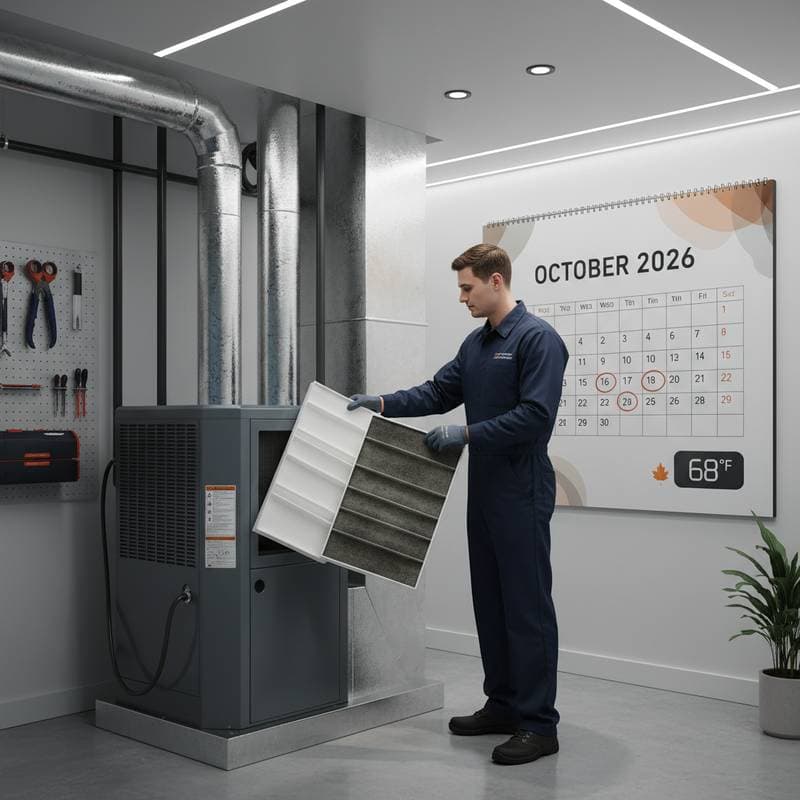
Why Fall Timing for HVAC Filters Enhances Home Efficiency
Seasonal shifts impose distinct requirements on heating and cooling systems. As temperatures decline and the HVAC unit shifts from cooling to heating modes, the state of the air filter significantly influences operational efficiency. Numerous homeowners overlook the fact that autumn represents the optimal period for filter replacement or cleaning. This routine action elevates indoor air quality, diminishes energy expenditures, and prolongs equipment longevity.
The Importance of Strategic Filter Replacement
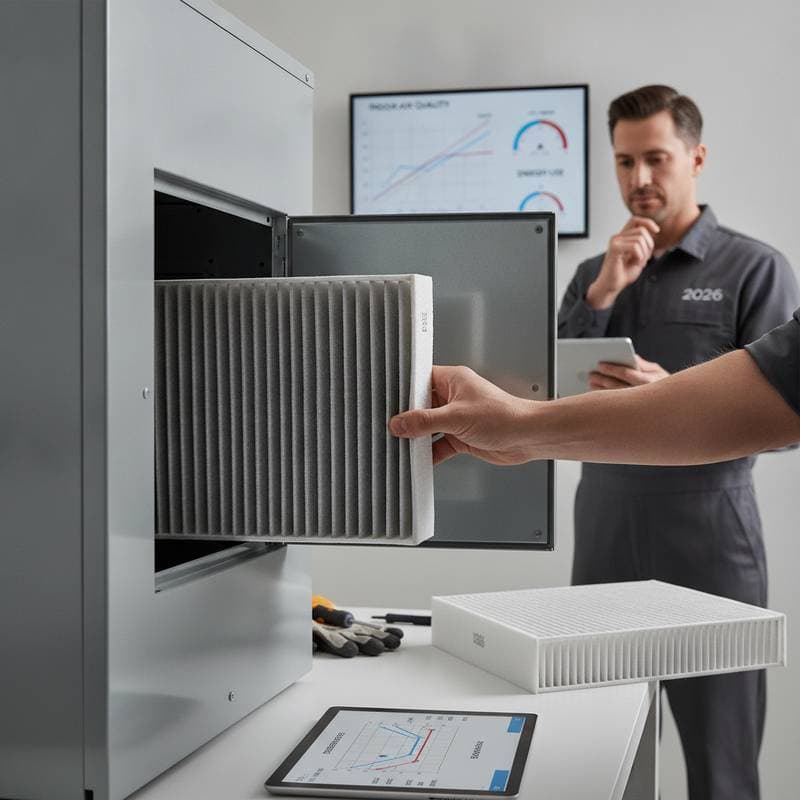
HVAC filters capture dust, pet dander, pollen, and other airborne contaminants to prevent their distribution throughout living spaces. Accumulation of these particles gradually obstructs airflow. Restricted airflow compels the system to exert greater effort to sustain desired temperatures, thereby consuming additional energy and accelerating component deterioration. Data from the U.S. Department of Energy indicates that installing a clean filter in place of a soiled one can lower energy consumption by as much as 15 percent.
Autumn filter changes prove particularly advantageous. Following intensive summer cooling operations, filters frequently accumulate substantial debris due to heightened air movement. Exchanging them prior to heating activation guarantees that furnaces or heat pumps function at peak performance from the outset. Furthermore, a pristine filter facilitates precise humidity regulation and averts dust ignition on heating elements, which otherwise produces disagreeable scents during initial use.
To maximize these advantages, consider the environmental factors at play. In regions with high pollen counts during late summer, filters may require earlier attention. Monitoring local weather patterns allows homeowners to anticipate clogging risks and schedule replacements proactively, ensuring uninterrupted performance as cooler weather arrives.
A Detailed Guide to Fall Filter Maintenance
Establishing a regular routine supports consistent air quality and system reliability throughout the year. Follow this comprehensive autumn protocol to optimize HVAC operation:
-
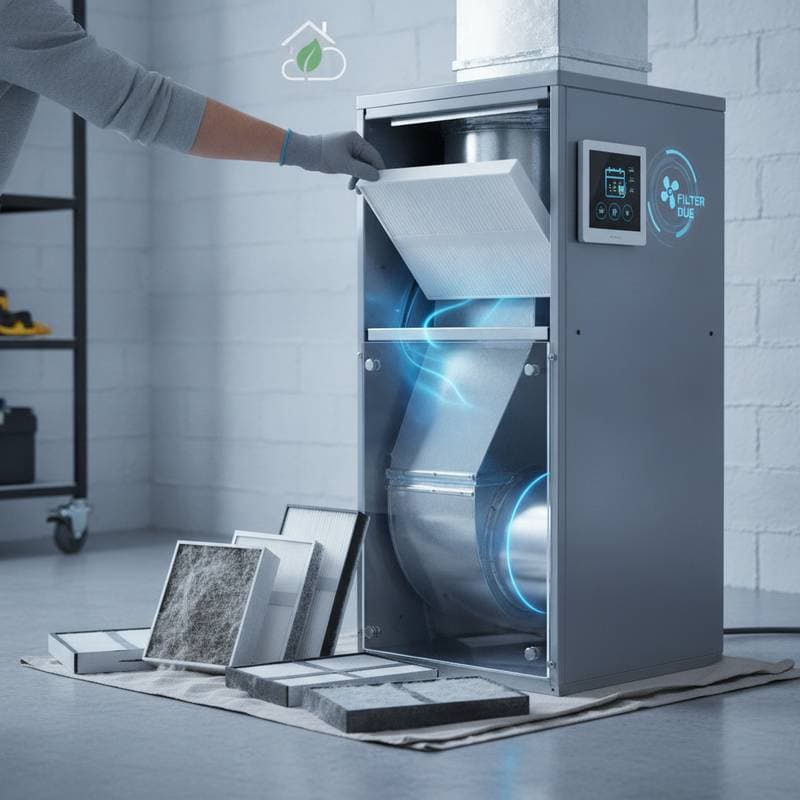
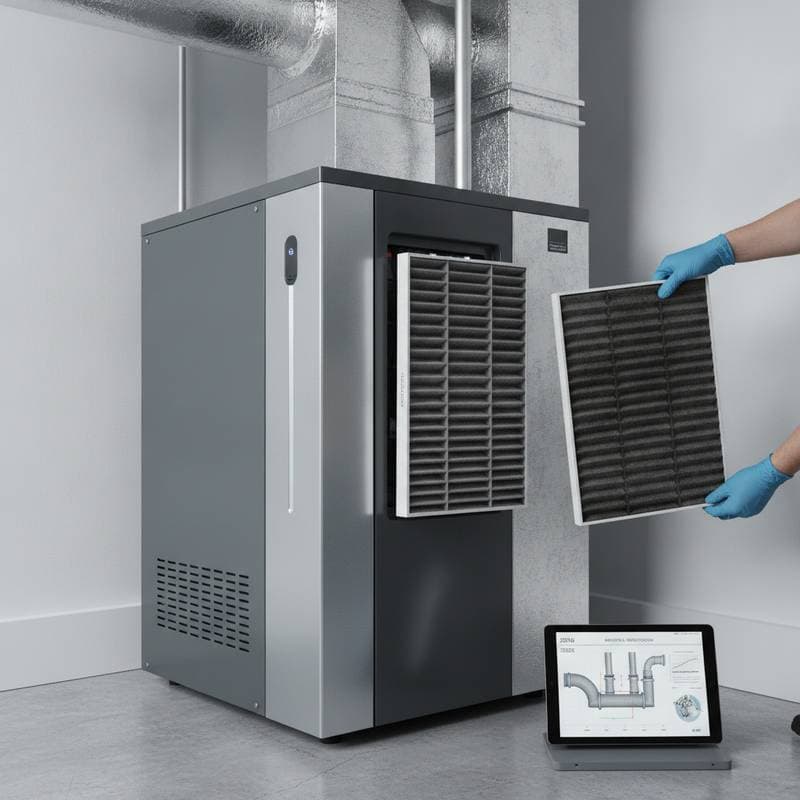
Examine the existing filter. Extract the filter and position it against a light source. If illumination fails to penetrate readily, replacement becomes necessary.
-
Choose an appropriate filter specification. Filters receive MERV ratings that quantify particle capture efficiency. Select a rating from 8 to 12 for typical residential applications, balancing filtration effectiveness with sufficient airflow.
-
Position the new filter properly. Align the unit according to the airflow direction indicated by arrows on the frame. Incorrect orientation diminishes performance and may lead to uneven air distribution.
-
Establish a follow-up schedule. Employ a smartphone application or integrated smart home device to set alerts for subsequent changes. Standard filters endure 60 to 90 days under normal conditions, though homes with pets or allergy sufferers often necessitate monthly replacements.
-
Assess for potential air escapes. During the filter exchange, scrutinize return vents and ductwork for compromised seals. Minor gaps dissipate conditioned air, elevating energy demands and reducing overall comfort.
-
Document the maintenance log. Record the installation date, filter type, and any observations about system behavior. This record aids in tracking patterns, such as faster clogging in dusty environments, and informs future adjustments.
For households with specialized needs, such as those managing asthma, opt for higher MERV ratings up to 13, but consult manufacturer guidelines to avoid excessive pressure on the blower motor. Testing airflow post-installation with a simple anemometer, if available, confirms optimal function.
Expert Perspectives on Savings and System Health
Experienced HVAC professionals emphasize that diligent filter upkeep ranks among the most effective methods for curtailing utility expenses. Research from EnergyStar.gov reveals that adherence to a seasonal maintenance regimen yields annual savings of up to 10 percent on heating and cooling bills. Clean filters alleviate stress on blowers and evaporator coils, thereby decreasing the likelihood of costly malfunctions that demand repairs in the hundreds of dollars.
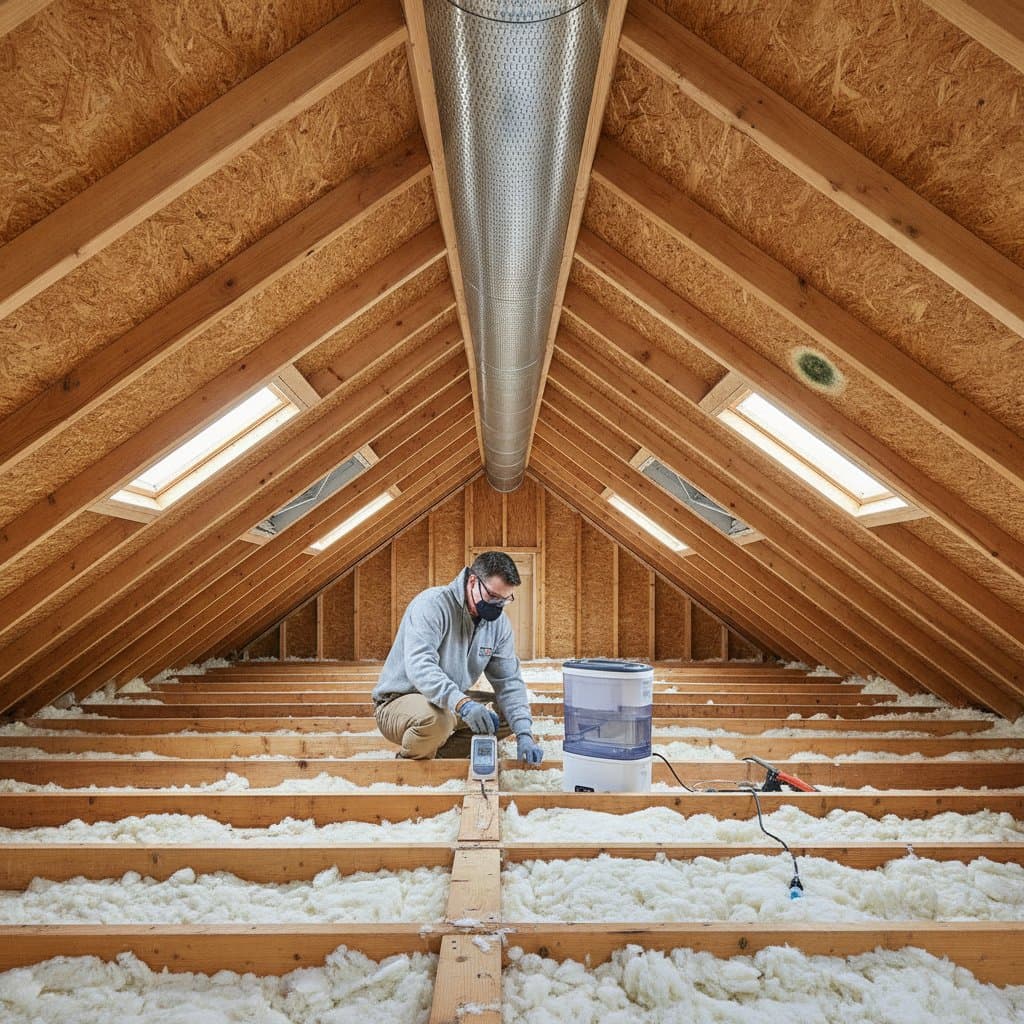
Complementing personal efforts with annual professional evaluations proves invaluable. Specialists measure airflow rates, remove accumulated grime from internal parts, and verify the system's seasonal energy efficiency ratio. Persistent rapid filter soiling may signal underlying concerns, including suboptimal duct configurations or elevated dust levels from attic insulation breaches. Addressing these issues early prevents escalation into major inefficiencies.
Quantifying benefits extends beyond immediate costs. Over a decade, consistent maintenance can extend HVAC lifespan by several years, deferring replacement expenses that often exceed thousands. Technicians note that proactive care correlates with fewer emergency service calls, particularly during peak winter demand when wait times lengthen.
Sustaining Long-Term System Performance
Although filter care appears minor, it profoundly impacts the broader HVAC framework. Implementing this practice annually in autumn stabilizes energy consumption, elevates living comfort, and safeguards investments in heating infrastructure. For individuals with air quality sensitivities, the timing effectively curbs allergen proliferation as homes seal against winter chill.
Prepare in advance of the initial frost by stocking spare filters in varying sizes to accommodate prompt exchanges. Cultivate this seasonal discipline to yield enduring rewards, including purified air and reduced bills across the heating period. Ultimately, precise filter management transforms routine upkeep into a cornerstone of efficient, healthful residential operation.