Best HVAC Filters for Fall Efficiency and Savings
As autumn chill sets in, your heating system works harder to maintain comfort. A fresh HVAC filter ensures optimal performance, traps airborne particles, and minimizes energy waste. Swapping filters now prepares your home for winter demands while potentially lowering heating costs by up to 15 percent.
Selecting the appropriate filter involves balancing air quality, system compatibility, and longevity. This guide covers essential filter knowledge, top options, and maintenance practices to achieve cleaner air and reduced bills.
The Role of Filters in Fall Heating
Fall brings accumulated summer dust, pet hair, and outdoor residues into your home. When heating activates, these contaminants circulate unless captured by an effective filter. Quality filtration safeguards respiratory health and prevents duct contamination.
Debris buildup forces the blower to strain, increasing electricity use and risking component wear. Energy experts note that timely filter replacements optimize airflow, easing system load and extending equipment life. Homeowners often see noticeable improvements in even heating and quieter operation after routine changes.
Decoding MERV Ratings for Smart Choices
MERV ratings indicate a filter's particle-capture efficiency for sizes from 0.3 to 10 microns. Higher numbers denote finer filtration, but excessive restriction can hinder airflow in standard residential setups.
- MERV 1-4: Capture large particles like carpet fibers; suitable for basic protection in low-dust homes.
- MERV 5-8: Handle dust, pollen, and pet dander; standard for most households with moderate air quality needs.
- MERV 9-12: Trap fine dust, mold, and some viruses; recommended for allergy sufferers or pet owners.
- MERV 13-16: Filter smoke, bacteria, and ultrafine allergens; reserve for advanced systems to avoid strain.
Aim for MERV 8-12 in typical homes. Test your system's tolerance by monitoring airflow after installation; reduced output signals a need for lower ratings.
Recommended Filter Types for Seasonal Use
Pleated Filters
Pleated designs expand surface area through accordion folds, capturing more contaminants without rapid clogging. Models from brands like Honeywell in MERV 8-12 ranges suit 90 percent of residential units, providing reliable performance for two to three months.
In high-traffic homes, inspect monthly. Purchasing seasonal bulk packs from retailers saves up to 20 percent per unit and avoids last-minute shortages during peak demand.
Electrostatic Filters
These rely on charged fibers to pull in particles, enhancing capture beyond mechanical means. Disposable versions offer convenience, while reusable ones require monthly rinsing with water and mild soap for longevity up to five years.
They excel in moderate environments but underperform in heavy pollen zones. Pair with a pre-filter for extended life in variable conditions.
HEPA Filters
HEPA filters remove 99.97 percent of 0.3-micron particles, ideal for severe allergies. However, their density demands powerful blowers; incompatible use leads to overheating.
Opt for portable HEPA units or hybrid whole-house versions with pleated bases for balanced flow. Install during fall for sealed-home benefits, monitoring system pressure for adjustments.
Activated Carbon Filters
Carbon layers neutralize odors from cooking, pets, or smoke by adsorption. Use as an add-on to pleated filters, inserting in series for comprehensive defense.
Replace carbon components every six months. This combination maintains fresh air in enclosed spaces without compromising particulate removal.
Establishing a Replacement Schedule
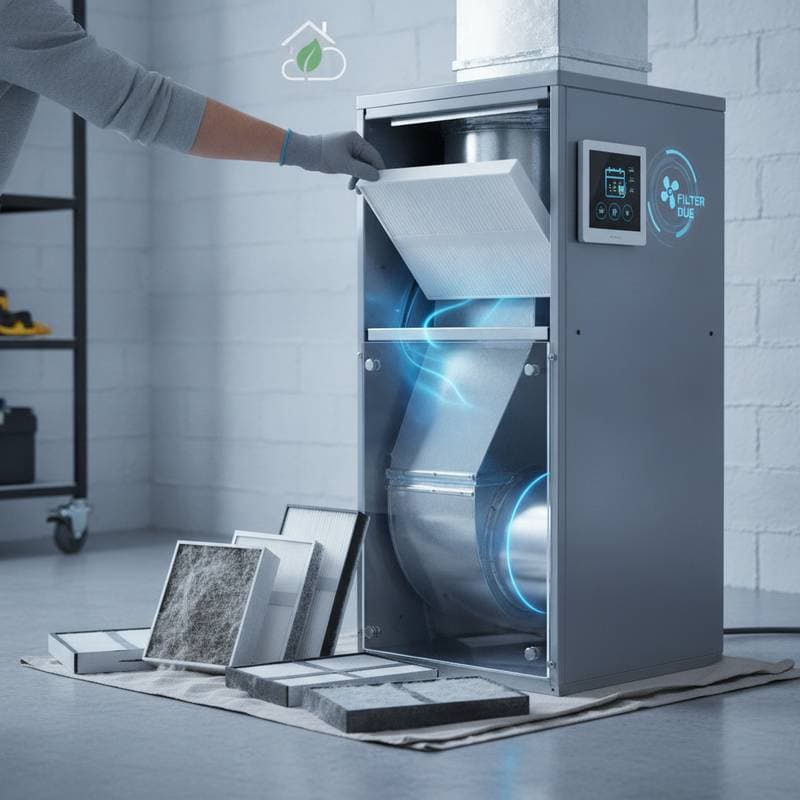
Replace filters every 60 days in fall and winter, or sooner in dusty or pet-heavy homes. High-MERV options may clog faster, necessitating bi-monthly checks.
Perform a light test: Shine a flashlight through the filter; opacity indicates replacement. Integrate alerts via smart home devices for consistent tracking.
Handling Installation: DIY or Expert Help
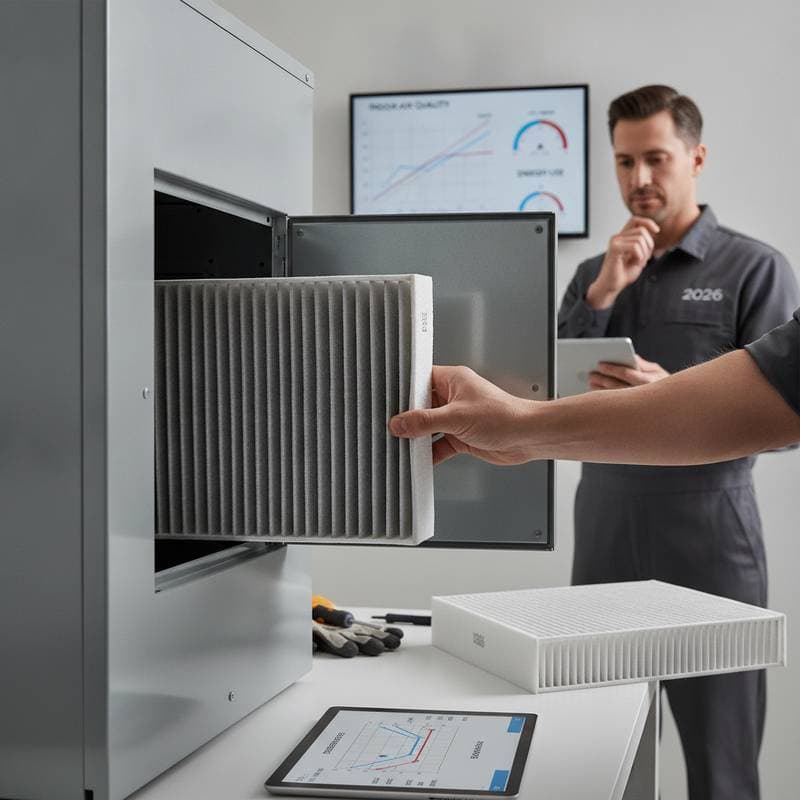
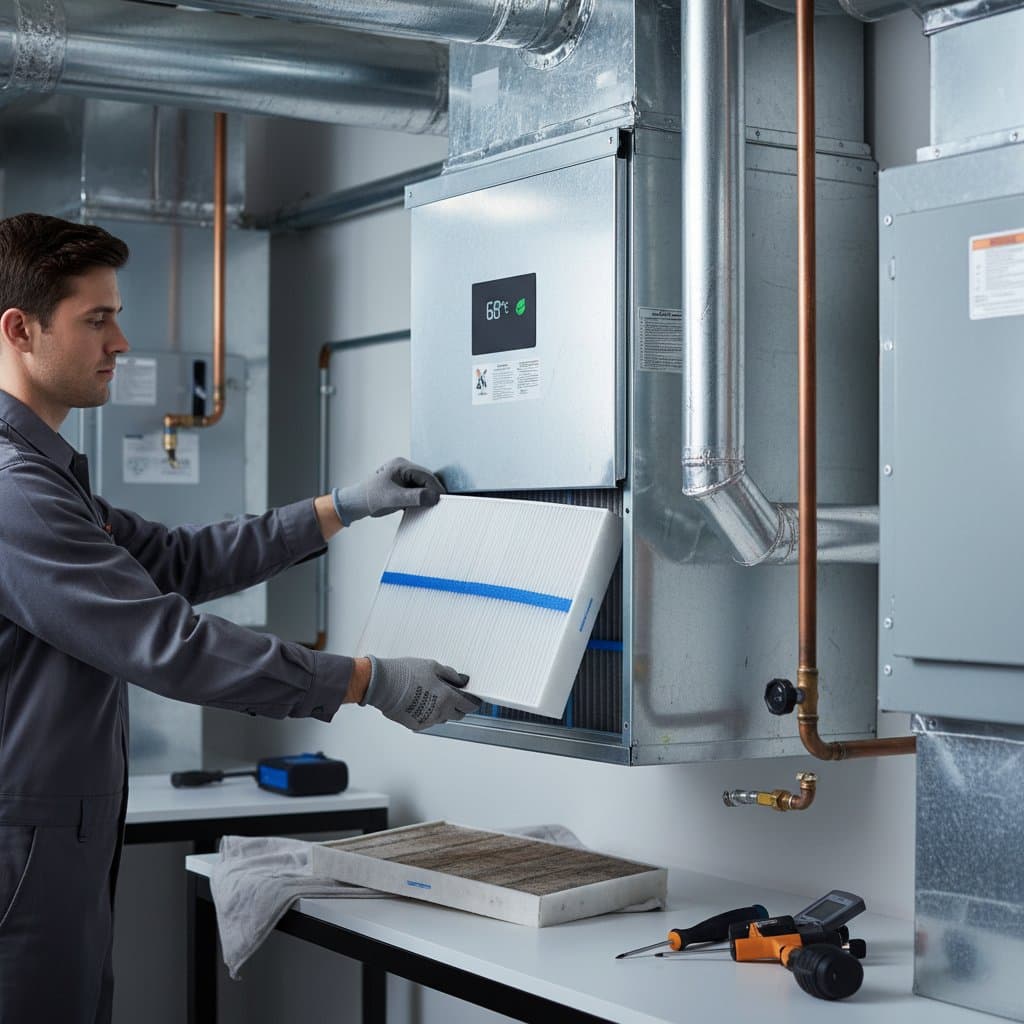
Most replacements take under five minutes. Locate your unit's access panel, power down the system, and slide out the old filter while noting the directional arrow.
- Match the new filter's dimensions to the slot.
- Align the arrow toward incoming air flow.
- Secure the panel and restart the system, listening for normal operation.
For uncertainties like custom sizing or duct issues, schedule a technician visit. Annual tune-ups often include filter assessments and efficiency audits.
Budgeting for Filter Investments
Fiberglass basics cost $5-10 but demand monthly swaps. Pleated mid-range options run $15-25, lasting longer for better value.
Electrostatic reusables amortize to under $10 yearly with care. Calculate savings: A 15 percent energy reduction on a $200 monthly bill yields $30 back per season, offsetting premium choices.
Ensuring Safe and Effective Operation
Consult your HVAC manual for airflow specifications before upgrading. Overly dense filters in aged systems trigger safety shutoffs or inefficiency.
Clear a three-foot radius around the unit for ventilation. Wipe down return grilles quarterly to complement filter efforts.
Practical Strategies for Optimal Results
Schedule changes around the equinox for proactive care. Vacuum surrounding areas during swaps to minimize reintroduction of dust.
Select filters with rigid frames for airtight seals. Track metrics like humidity and temperature post-installation to gauge impact.
Keep extras in sealed packaging away from humidity. This routine fosters reliable performance year-round.
Sustaining Comfort Through Consistent Care
Regular filter maintenance delivers immediate gains in air purity and system reliability. It curbs unnecessary energy draw, preserving budget and equipment integrity.
Tailor your approach to home specifics, from occupancy to local allergens. Committed habits ensure a warmer, healthier interior without excess costs.