
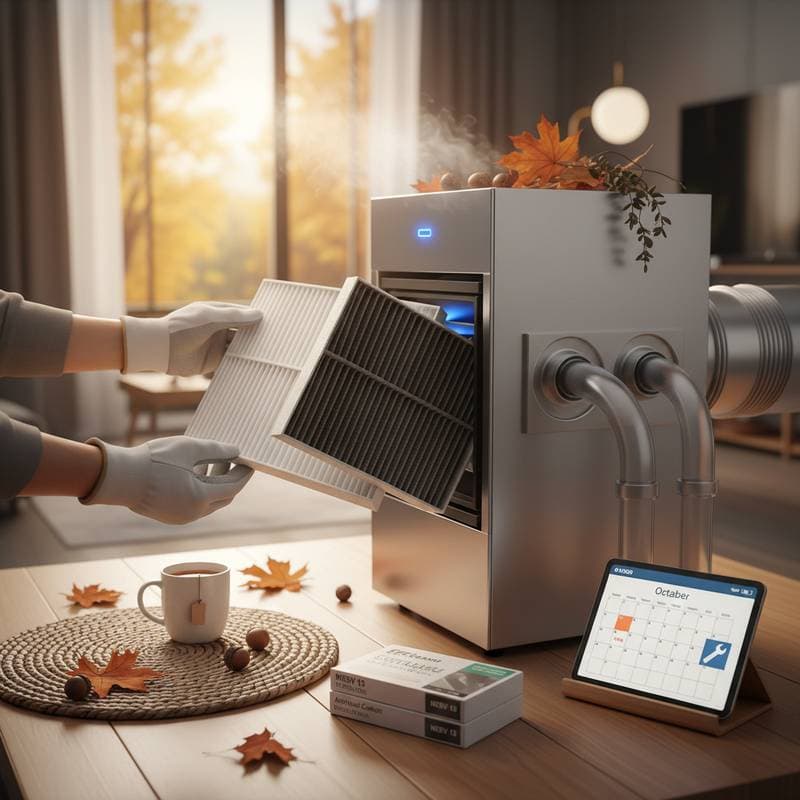
Optimal Timing for Fall HVAC Filter Replacement
A clean HVAC filter maintains heating system efficiency, preserves fresh air, and controls energy expenses. Homeowners often inspect filters during summer, yet fall marks the transition from cooling to heating. This change positions fall as the prime period to replace the filter and ready the entire system for increased operation. Knowledge of timing, procedure, and advantages of a fall replacement assists in avoiding diminished air quality, equipment stress, and avoidable expenses.
Reasons Fall Excels for Filter Replacement
Warm months cause air conditioners to accumulate dust, pollen, and airborne particles. As temperatures decline, this accumulation impedes airflow and compels the furnace to operate more strenuously. Such stress elevates energy consumption and accelerates system wear. A fall replacement eliminates summer residues and equips the heater for effective winter performance.
Fall also occurs between peak usage seasons. Professionals advocate this schedule because it ensures a fresh filter before heating demands rise, without clashing with busy service periods. A brief check now averts extensive repairs during high-demand times, when availability diminishes and fees increase.
Indicators That Demand Prompt Filter Replacement
A seasonal routine provides guidance, but specific signals indicate an urgent need for replacement. Monitor for these signs:
- Diminished airflow from vents or uneven temperatures across rooms.
- Accumulation of dust near registers or on furnishings, despite consistent cleaning.
- Apparent soil on the filter upon removal and examination.
- Extended heating cycles or continuous system operation.
- Peculiar smells, such as musty or stagnant scents, upon system activation.
Address these promptly with a replacement. A blocked filter degrades air quality and risks furnace overheating or sudden shutdowns.
Selecting the Appropriate Filter for Fall
The choice of filter material and dimensions proves as crucial as the timing. Filters vary in composition and efficiency ratings, each offering distinct advantages for airflow and particle capture.
Fiberglass filters provide economical, single-use options focused on fundamental dust management. They shield the HVAC from larger debris yet contribute minimally to indoor air purity. Pleated filters, constructed from polyester or cotton, capture finer elements like pollen and pet dander. These endure longer and enhance air cleanliness, positioning them as a reliable intermediate selection.
Households affected by allergies or breathing issues benefit from high-efficiency filters with elevated MERV ratings. These trap minute particles, including mold spores and ultrafine dust. Confirm system compatibility first, as advanced ratings may hinder airflow if the blower lacks sufficient power. Review the owner manual or seek technician advice prior to any upgrade.
Step-by-Step Guide to HVAC Filter Replacement
The replacement process requires minimal effort when approached methodically. Power down the HVAC unit at the outset to ensure safety.
- Identify the filter housing, typically within the return air duct, adjacent to the air handler, or near the furnace.
- Extract the existing filter, observing the airflow arrow on its frame for correct new installation orientation.
- Examine the housing interior, removing any dust or particles that could compromise the seal or airflow.
- Install the new filter, aligning the airflow arrow and securing it firmly to eliminate gaps.
- Reactivate the system and observe airflow for a few minutes to verify proper function.
Retain the used filter for reference. Significant soiling within weeks suggests underlying air quality or ventilation concerns that merit investigation.
Recommended Replacement Frequency
Homeowners typically replace filters every one to three months, adjusted for filter type and household factors. Residences with pets, tobacco use, or multiple occupants often require monthly changes. Smaller homes or those employing high-efficiency filters can extend to three months. Seasonal transitions serve as effective prompts; replacements at the onset of fall and spring align with heating and cooling demands.
Establish calendar alerts for consistency. Capturing an image of the installed filter tracks soiling progression, refining future intervals. Certain smart thermostats provide notifications for timely replacements.
Financial and Energy Benefits
A pristine filter lowers energy use by 10 to 15 percent, per U.S. Department of Energy estimates. This reduction yields tangible reductions in heating-season utility charges. Obstructed filters limit airflow, compelling the fan to draw extra power. Persistent inefficiency accumulates into elevated ongoing expenses.
Routine replacements also safeguard costly components. Elements like blower fans, heat exchangers, and coils endure longer without dust intrusion. An investment of several dollars in a filter now forestalls repair bills in the hundreds. As one HVAC professional noted on Reddit, most winter furnace issues trace back to neglected filters unchanged for months.
Integrating Professional Servicing with Filter Changes
DIY filter swaps simplify maintenance, but combining them with expert inspections yields comprehensive safeguards. Technicians evaluate electrical integrity, apply lubrication to components, and detect leaks or deterioration. They assess airflow and pressure levels to identify minor faults before failures occur. Numerous providers bundle seasonal services encompassing filter installation, thorough cleaning, and safety verifications for gas or electric units.
Plan a service around your fall replacement. This single visit sustains efficiency, upholds warranty conditions, and secures home comfort amid cooling weather.
Adjustments for Pet Owners and Those with Allergies
Pets accelerate filter clogging through fur and dander. Regularly vacuum vents and opt for filters rated to seize fine pet allergens. Individuals prone to allergies should prioritize pleated or high-efficiency options, ensuring they maintain adequate airflow. Such selections substantially curb indoor irritants during periods of reduced ventilation from sealed windows.
Establishing a Reliable Replacement Routine
Adopting fall HVAC filter replacement fosters significant gains in air purity, expense reduction, and equipment durability. Perform the task independently or incorporate it into scheduled servicing; the essence lies in regularity. Stock extra filters, log replacement dates, and inspect monthly during peak usage.
Timely minor efforts preserve comfort and asset value. With seasonal changes, a new filter guarantees seamless furnace operation and a healthful living environment. This practice delivers superior air, diminished costs, and dependable performance precisely when required.




