Introduction to the 2026 HVAC Standards
Homeowners will soon experience changes in the design, maintenance, and regulation of heating, ventilation, and air conditioning systems. These upcoming standards emphasize both energy efficiency and indoor air quality. Understanding these regulations enables informed decisions for upgrades that enhance comfort and minimize long-term expenses, whether for a single-family residence or rental property.
Reasons for Tightening Air Quality Standards
Increased recognition of indoor air's impact on health and energy use drives these updates. The Environmental Protection Agency notes that indoor air pollution often exceeds outdoor levels by several times. Common contaminants include dust, pet dander, volatile organic compounds, and excess moisture, which accumulate in tightly sealed homes with poor ventilation.
The new standards target efficiency and filtration performance. Efficiency governs the energy required to heat or cool air. Filtration and ventilation ensure balanced airflow, preventing the recirculation of stale or polluted air in high-efficiency systems.
Advancements in MERV Ratings
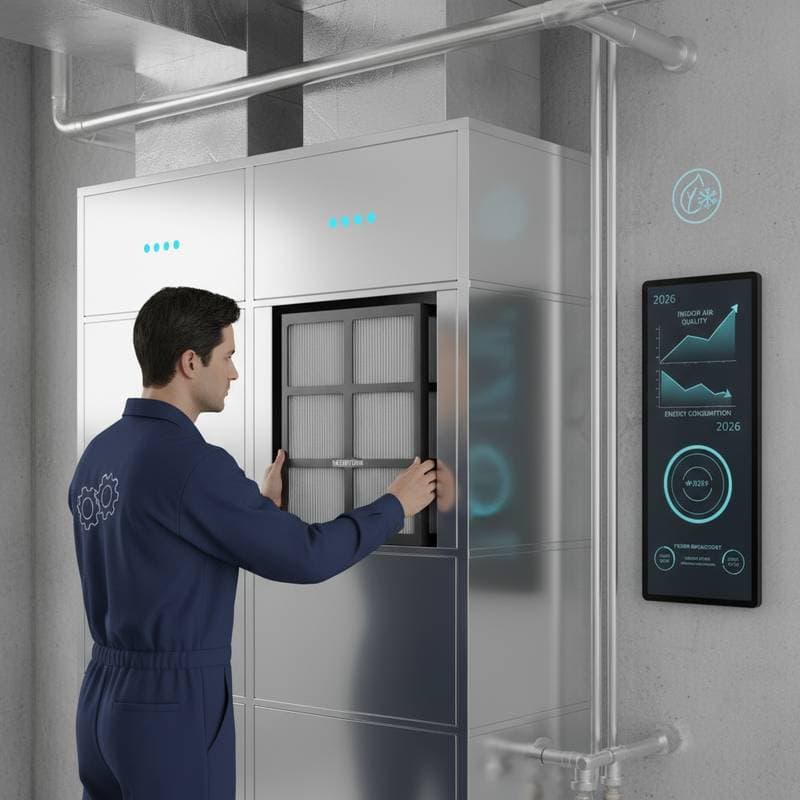
A key update concerns Minimum Efficiency Reporting Value ratings, which indicate a filter's ability to capture particles of varying sizes. Traditional systems typically employ filters rated MERV 6 to MERV 8. The standards now promote MERV 11 or higher, which effectively trap finer particles such as smoke, pollen, and bacteria.
Higher MERV filters enhance air quality but may raise air resistance. Consult manufacturer guidelines to prevent blower motor strain from denser filters. HVAC professionals often suggest combining these with variable-speed fans, which adjust to sustain airflow and preserve both efficiency and filtration effectiveness.
Key Expectations Under the New Regulations
Regulations will require rigorous system testing and documentation. Contractors must confirm compliance with benchmarks for airflow, leakage, and filtration. Homeowners might encounter these checks during routine maintenance or rebate applications for new equipment.
Energy efficiency metrics will rise significantly. New units must attain elevated Seasonal Energy Efficiency Ratios for cooling and Heating Seasonal Performance Factors for heating. Higher ratings translate to reduced energy consumption per unit of output. Although initial costs for efficient systems exceed those of older models, utility bills can decrease by as much as 20 percent.
Steps to Prepare Your Home for Compliance
Evaluate your existing HVAC configuration first. Systems over ten years old often warrant replacement for optimal economics. Seek ENERGY STAR-certified models or those aligned with current regional codes. A mid-range central air installation, including labor and materials, generally ranges from 6,000 to 10,000 dollars. Heat pumps with high efficiency demand higher upfront investment but yield savings through lower energy demands.
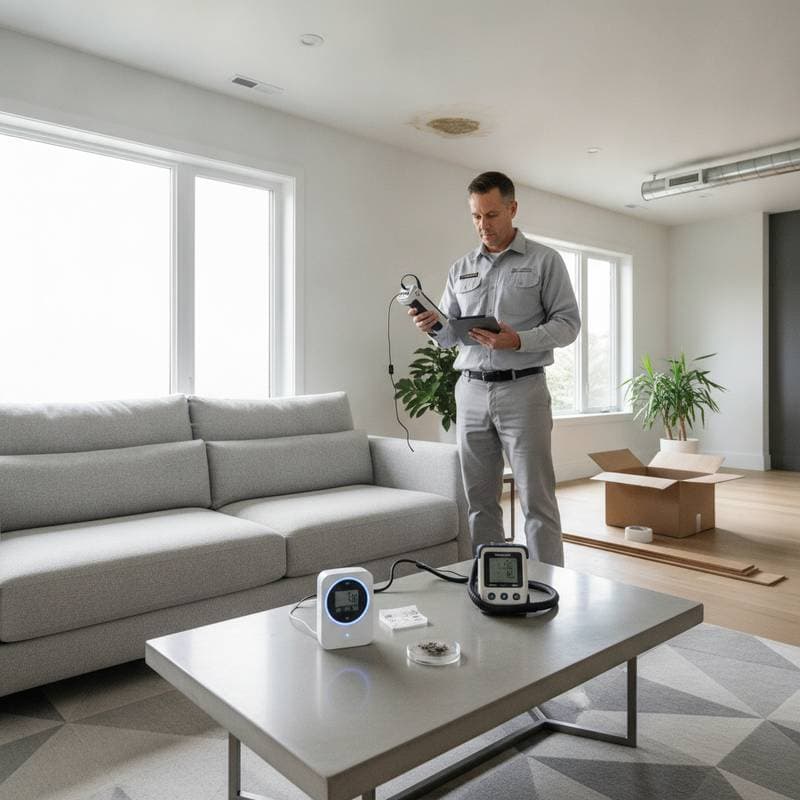
For systems not yet due for replacement, optimize current performance. Arrange a professional assessment of airflow, duct integrity, and filter compatibility. Technicians measure static pressure and suggest suitable filter options to uphold circulation. Actions like sealing duct connections or cleaning evaporator coils yield substantial gains in air quality and efficiency.
Importance of Routine Maintenance
Maintenance gains heightened importance with these standards. Inspect filters monthly and replace them every three months, adjusting frequency based on household factors such as pets or allergies. Homes with smokers or sensitive residents require more frequent replacements.
Comprehensive service involves coil cleaning, belt inspections, thermostat calibration, and refrigerant level checks. Professional tune-ups cost between 100 and 250 dollars, varying by system and location. Such care averts early failures and ensures operation meets regulatory efficiency thresholds.
Enhancing Air Quality Beyond HVAC Systems
The HVAC unit serves as the core for air management, yet supplementary measures amplify results. HEPA-filtered portable purifiers benefit high-use zones like living rooms or bedrooms. Whole-house dehumidifiers combat mold in moist areas, while humidifiers in arid climates mitigate static and respiratory discomfort.
Upgrade ventilation for further improvement. Energy recovery ventilators exchange indoor and outdoor air while preserving temperature stability. These integrate into HVAC ductwork and align with standards by boosting efficiency and comfort.
Addressing Common Challenges
Concerns about elevated upgrade costs arise frequently. Rebates and tax credits from utilities and state initiatives can cover significant portions for systems meeting advanced SEER and MERV criteria.
Compatibility issues also emerge, as not all furnaces or air handlers support high-MERV filters or variable-speed components. Verify system capabilities prior to upgrades. A qualified contractor performs static pressure testing and recommends necessary duct alterations if required.
Sustaining Long-Term Benefits
Adopting the 2026 HVAC standards extends beyond mere adherence. It presents chances to refine indoor environments, stabilize temperatures, and curb energy expenses over time. Advanced systems provide allergen-reduced air, consistent climate control, and reduced noise levels. Incremental changes, including filter enhancements or duct sealing, deliver tangible enhancements.
View the HVAC as integral to household well-being. Maintain service logs, use affordable sensors for air monitoring, and adhere to scheduled inspections. Proactive measures facilitate seamless adaptation, yielding cleaner air, reduced costs, and superior comfort through strategic planning and ongoing attention.