Boost Cooling Efficiency: Summer HVAC Filter Timing Guide
As temperatures climb, the HVAC system serves as the core of indoor comfort. Even advanced cooling units require regular air filter maintenance to operate effectively. A clean filter ensures smooth airflow, enhances energy efficiency, and shields the system from excessive strain. Proper timing for filter replacement proves essential for optimal performance amid peak summer heat.
Understanding the Role of Your HVAC Filter
The HVAC filter captures dust, pollen, and fine particles that might otherwise spread throughout the living spaces. As debris accumulates, airflow diminishes, compelling the system to labor more intensely. This results in elevated energy expenses, inconsistent cooling, and diminished indoor air quality. In summer, filters accumulate contaminants more rapidly owing to intensified system operation and elevated pollen concentrations.
A well-maintained filter sustains steady airflow, enabling quicker cooling and reduced energy use. Regular replacement not only curbs consumption but also prolongs the durability of cooling components.
How Often Should You Replace HVAC Filters in Summer
Replacement frequency varies based on key influences:
- Filter type: Standard fiberglass models typically endure one month, whereas pleated or high-efficiency variants extend to three months.
- Home environment: Residences with pets, tobacco use, or residents prone to allergies demand more frequent replacements.
- System usage: Prolonged summer runtime accelerates filter degradation.
- Outdoor conditions: Arid, dusty, or high-humidity areas hasten debris accumulation and impair performance.
Most homes benefit from monthly filter inspections during summer, with replacement upon visible soiling. If the filter appears dusty or vent airflow weakens, install a fresh unit immediately.
Signs Your Filter Needs Immediate Replacement
Monitor these indicators of an overdue filter:
- Weak or inconsistent airflow in various rooms
- Extended runtime required to achieve the desired temperature
- Rapid dust buildup on furniture and surfaces
- Increased indoor allergy symptoms
- Musty smells emanating from the air conditioner
Overlooking these cues burdens the system, escalates cooling expenses, and hastens component deterioration.
DIY Filter Replacement Tips
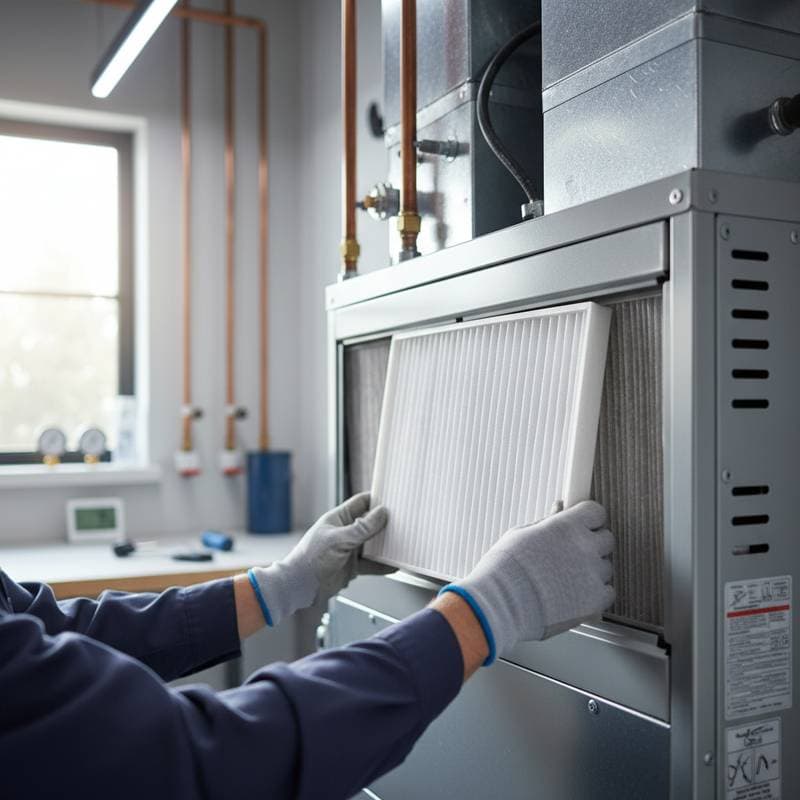
Filter replacement represents a straightforward process that significantly elevates system performance. Proceed with these steps:
- Power down the HVAC system to avoid drawing in loose particles.
- Identify the filter slot, often positioned adjacent to the return air duct or within the blower assembly.
- Extract the used filter and note the dimensions indicated on its frame.
- Position the replacement filter so the directional arrows align with airflow.
- Fasten the access panel and reactivate the system.
Set recurring calendar alerts or phone notifications for routine checks. Homeowners often align replacements with the first day of each summer month to match high-demand periods.
Professional Maintenance for Peak Efficiency
Although self-replacement proves accessible, expert HVAC servicing optimizes the full system. Trained technicians perform:
- Coil, fan, and duct cleaning
- Refrigerant level verification
- Electrical system examination
- Airflow and thermostat calibration testing
Arrange a service visit prior to or early in summer to equip the unit for sustained operation without failures.
Preparing for a More Efficient Cooling Season
Sustain HVAC excellence through these practices:
- Acquire extra filters in advance of summer onset
- Vacuum vent and return areas on a monthly basis
- Clear leaves and debris from the outdoor unit regularly
- Employ ceiling fans to distribute air and lessen system workload
- Track energy statements for abrupt increases signaling airflow limitations
Making It Happen
Installing a new air filter stands as a basic yet powerful method to elevate cooling performance, reduce energy expenditures, and foster purer indoor air. Maintain a steady replacement routine alongside expert servicing to secure dependable comfort regardless of soaring temperatures. Initiate the season with a pristine filter and experience the advantages of fluid, chilled, and energy-saving air distribution across your residence.