Planning Your 2026 HVAC Filter Schedule for Optimal Air Quality
Clean indoor air relies on regular HVAC filter replacements. A well-structured schedule enhances system efficiency, prolongs equipment lifespan, and shields residents from harmful airborne contaminants. By organizing inspections and swaps, homeowners avoid costly repairs and reduce monthly energy expenses.
Fundamentals of HVAC Filter Costs
HVAC filter prices depend on type, construction material, and manufacturer. Across the nation, basic fiberglass filters typically range from five to fifteen dollars per unit. Pleated options cost between fifteen and forty dollars, while high-efficiency particulate air (HEPA) filters often exceed sixty dollars each.
Location plays a significant role in pricing. In coastal or high-humidity zones, filters demand more frequent changes, elevating yearly expenses by up to thirty percent over arid regions. Urban dwellings facing elevated pollution levels frequently require advanced filters to trap fine particulates, resulting in modestly higher outlays.
Seasonal demand drives price shifts. Peak heating and cooling periods spike filter needs, prompting ten to twenty percent retail increases in certain areas. Broader economic factors, such as rising raw material expenses, prompt manufacturers to update prices accordingly.
Options for Purchasing and Service Models
Homeowners select from individual buys, bulk orders, or subscription services. Single purchases at local stores yield the highest per-unit cost, whereas bulk acquisitions cut expenses by twenty-five percent or more. Subscriptions ensure timely deliveries, maintain air purity, and eliminate manual tracking.
Many HVAC professionals bundle filter services into yearly maintenance agreements. These contracts cover inspections, cleanings, and replacements for a fixed annual fee of one hundred to three hundred dollars. Such plans streamline appointments and incorporate alerts for seasonal adjustments.
Service Levels and Associated Costs
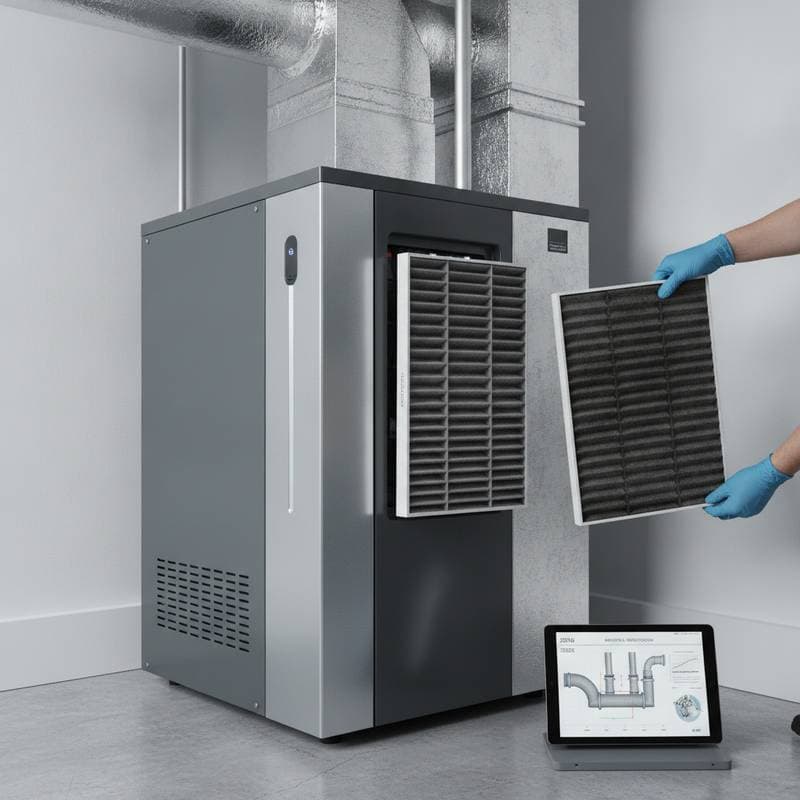
Basic services emphasize straightforward filter swaps with fiberglass or pleated varieties. They suit compact residences or allergy-free households, with fees ranging from fifty to one hundred dollars per session, encompassing parts and labor.
Standard professional services deploy mid-tier pleated or electrostatic filters for superior dust and allergen retention. Providers charge one hundred to two hundred dollars, including thorough installation and system checks.
Premium offerings incorporate HEPA or activated carbon filters tailored for sensitive environments. These capture minuscule particles, neutralize odors, and mitigate gaseous contaminants, with total costs from two hundred to four hundred dollars based on unit scale and filter intricacy.
Specialized services address sophisticated setups, such as custom filters, UV sanitizers, or sensor-integrated systems. Expect fees surpassing five hundred dollars per visit for these advanced interventions.
Factors Shaping HVAC Filter Expenses
Multiple elements determine maintenance budgets.
System dimensions dictate filter size and count; expansive units require larger or additional filters, inflating overall costs.
Efficiency ratings, measured by MERV scales, balance price against capability. Higher ratings snare tinier particles yet may impede airflow, necessitating robust HVAC designs.
Replacement intervals vary with household habits, pet presence, or local air conditions; residences with animals or tobacco use often necessitate monthly updates.
Regional labor rates fluctuate with cost-of-living indices, pushing service charges higher in expensive locales.
Premium materials and established brands command steeper prices, often backed by guarantees or quality certifications.
Complementary Services and Extra Fees
Technicians frequently provide enhancements alongside filter work.
Duct cleaning, priced at two hundred to five hundred dollars, clears accumulated debris inaccessible to filters.
System sanitization, averaging one hundred dollars, promotes freshness and curbs mold development.
Air quality assessments, around one hundred fifty dollars, pinpoint specific pollutants and allergens.
Rush or priority scheduling adds twenty percent to labor costs, particularly amid seasonal rushes when availability tightens.
Effective Seasonal Replacement Approaches
Reliable timing sustains HVAC reliability. Quarterly checks suit most homes, with monthly reviews during intense heating or cooling phases. Transitional periods allow two- to three-month intervals.
Allergy sufferers benefit from accelerated swaps to minimize pollen and dust buildup. Pet-owning households or those ventilating frequently in summer adjust accordingly. Modern smart devices monitor airflow drops, notifying users of impending needs.
Selecting Appropriate Filters for Your Residence
Filter performance extends beyond expense to efficacy. Fiberglass models snag coarse debris but overlook fine allergens. Pleated designs secure smaller dust and pollen loads without severely hampering circulation.
HEPA variants eliminate over ninety-nine percent of particulates, though they risk airflow reduction in incompatible systems. Verify your unit's MERV tolerance to prevent strain and elevated energy use. Energy Star guidelines advocate equilibrium between capture power and ventilation flow.
Professional Advice and Practical Recommendations
HVAC expert Daniel Ruiz from AirPro Services notes that diligent filter care slashes energy use by fifteen percent. He recommends logging changes via journals or app notifications to maintain adherence.
Industry reports indicate that adherent schedules yield fewer emergencies and annual savings of one hundred dollars in utilities. Cleaner filtration eases system workload, curbing failures and extending durability.
Implementing Your Annual Filter Plan
Outline a yearly calendar to secure HVAC efficiency and pure air. Set alerts for seasonal evaluations and replacements based on your routine.
Match filter choices to household demands, from economical basics to specialized protections. Stock spares to sidestep interruptions during urgent needs.