Why Quarterly HVAC Filter Changes Boost Air Quality
Indoor air quality affects health, comfort, and energy efficiency in homes. HVAC filters play a central role by capturing dust, pollen, pet dander, and other pollutants before they circulate. Quarterly changes ensure these filters perform effectively throughout the year, reducing allergens and extending system life.
Regular maintenance like this simple task prevents buildup that strains equipment and raises utility costs. Homeowners notice fresher air and fewer respiratory issues with consistent effort. This guide explores filter types, schedules, and practical steps to implement changes.
Understanding How Filters Affect Air Quality
HVAC filters trap airborne particles to maintain clean air. Over time, they become clogged, which restricts airflow and forces the system to work harder. This inefficiency increases energy use and allows contaminants to linger indoors.
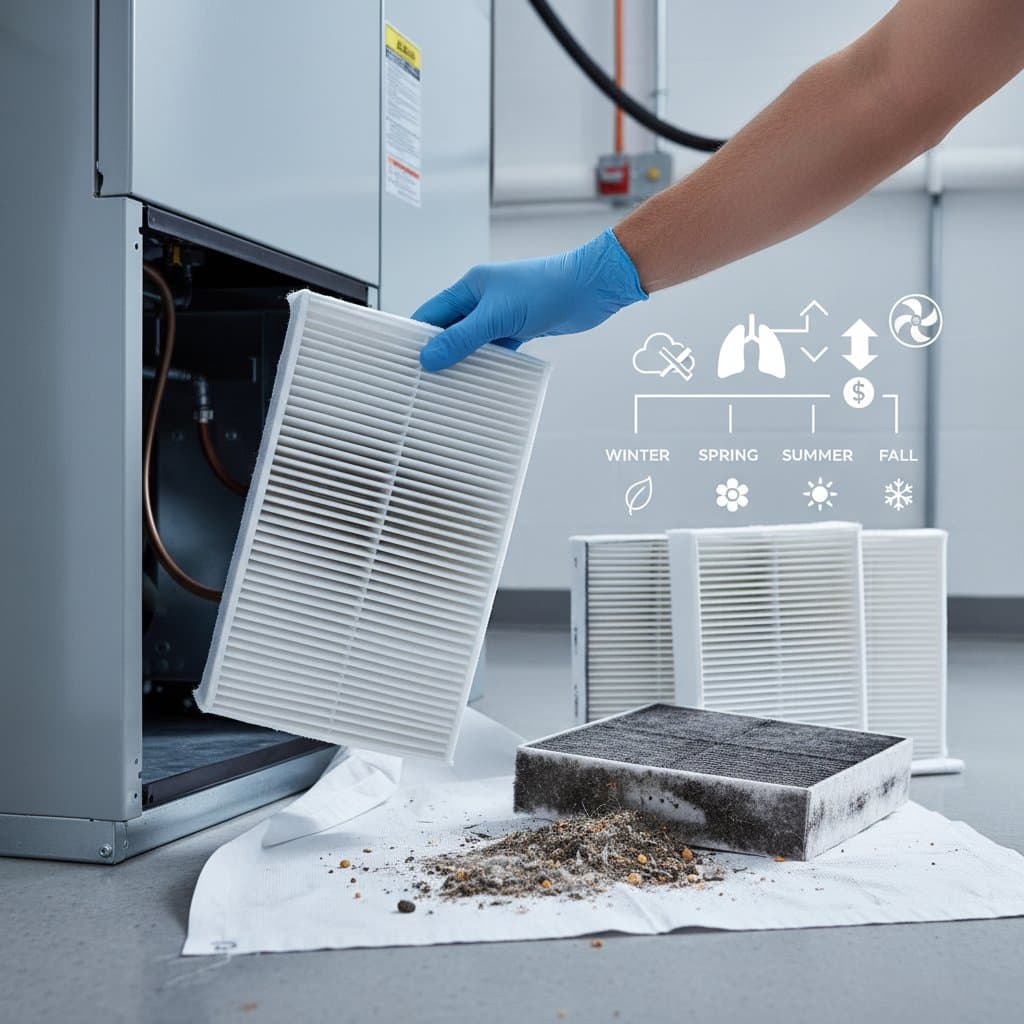
Quarterly replacements align with seasonal shifts in pollutants. Spring brings pollen, summer introduces dust from open windows, fall adds leaves and debris, and winter traps indoor moisture that fosters mold. By swapping filters every three months, you address these variations proactively.
Studies show that clean filters can reduce indoor particulate matter by up to 50 percent. This improvement benefits those with allergies or asthma most directly. Overall, the practice supports a healthier living environment without major investments.
Choosing the Right Filter Type
Filters vary in material, efficiency, and suitability for different homes. Select based on your air quality needs, system capabilities, and budget. Each type offers unique advantages for capturing particles while preserving airflow.
-
Fiberglass filters provide basic protection at a low cost. They capture large debris like lint and hair but allow smaller particles to pass. Use them in low-traffic homes or as a temporary solution.
-
Pleated filters feature folded designs that increase surface area. This setup traps finer dust, pollen, and mold spores effectively. Most residential systems handle them well, making them a versatile choice for everyday use.
-
High-efficiency particulate air (HEPA) filters or those with MERV ratings above 13 capture microscopic contaminants. They excel in homes with allergy sufferers or poor outdoor air. Verify system compatibility first to avoid reduced performance.
-
Reusable filters made from foam or electrostatic materials wash easily for repeated use. They promote environmental sustainability and cut long-term costs. Clean them monthly and replace annually for optimal results.
Consult your HVAC manual or a professional before switching types. Proper selection ensures the filter enhances air quality without compromising system efficiency.
Establishing a Quarterly Change Schedule
Quarterly changes mean replacing filters every three months, ideally at the start of each season. This timing matches fluctuations in indoor pollutants and maintains peak performance. Mark calendar reminders to stay consistent.
Begin with spring to combat pollen influx. Follow with summer for dust control, fall for debris from outdoor activities, and winter to manage dry air and potential mold. Adjust for local climate if needed, such as more frequent changes in high-pollen areas.
The process takes minutes and requires no special tools. Purchase filters in bulk for convenience and cost savings. Track changes in a log to monitor improvements in air quality and energy bills.
Signs You Need a Change Sooner
Quarterly intervals work for most homes, but certain conditions demand earlier action. Monitor your system for indicators of clogging to prevent issues. Early detection keeps air clean and equipment protected.
-
Visible dust accumulates rapidly on surfaces like shelves and tables.
-
Airflow from vents diminishes, creating uneven temperatures in rooms.
-
The HVAC unit operates longer cycles or starts more frequently than usual.
-
Unusual noises, such as whistling from ducts or straining from the blower, emerge.
-
Indoor allergy symptoms like sneezing or itchy eyes intensify despite medication.
Homes with pets, smokers, or construction nearby face higher pollutant loads. In these cases, inspect filters monthly and replace every six to eight weeks. Professional inspections help identify underlying problems.
Step-by-Step Guide to Replacing Filters
Replacing an HVAC filter involves straightforward steps anyone can follow. Gather the right size filter, turn off the system for safety, and proceed carefully. This routine empowers homeowners to maintain their systems independently.
-
Locate the filter slot, typically near the return air duct or furnace.
-
Turn off power to the HVAC unit at the thermostat and breaker.
-
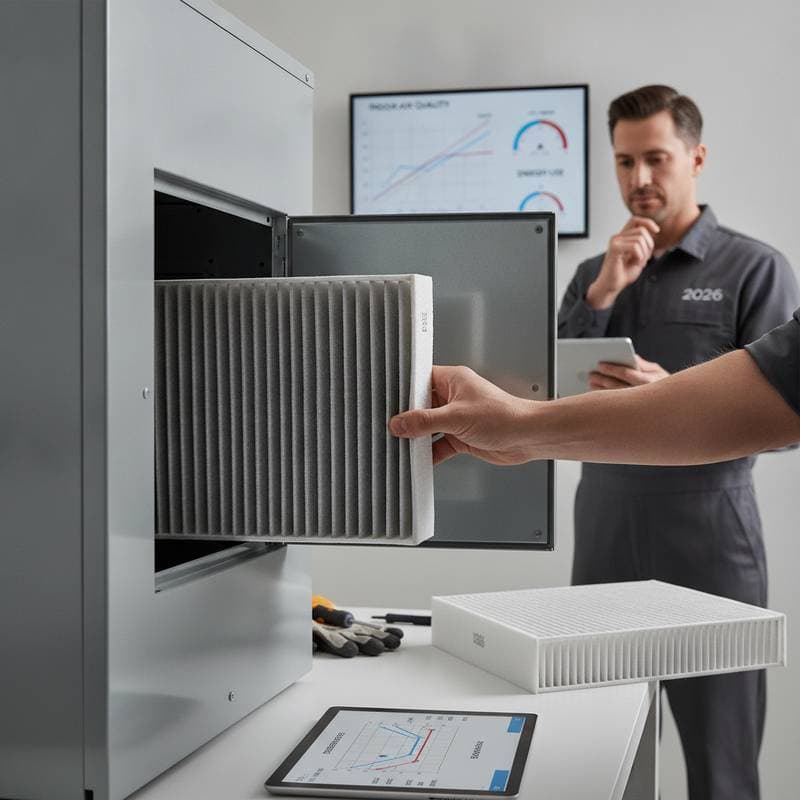
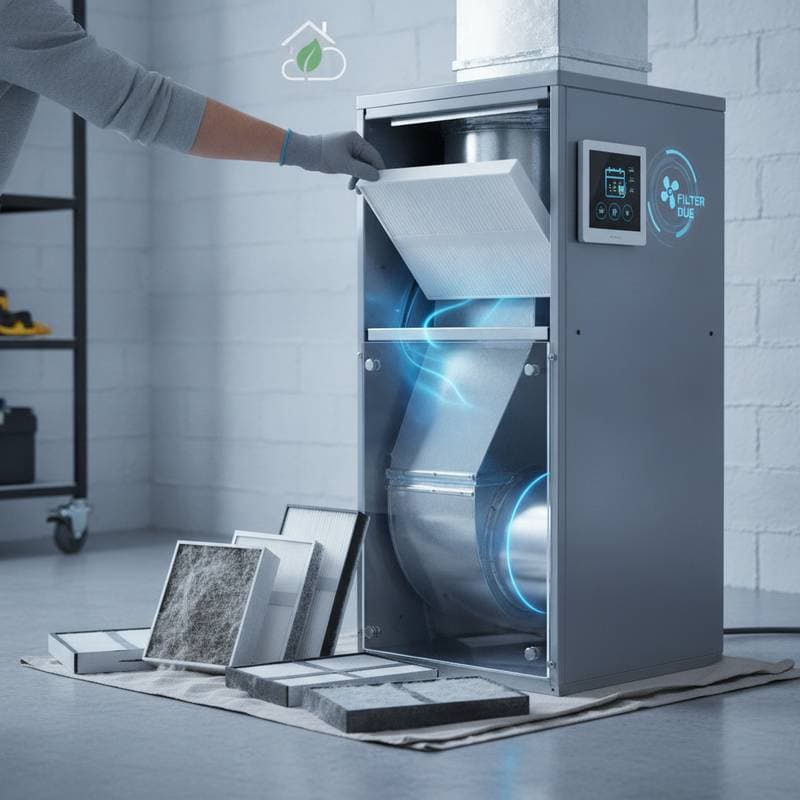
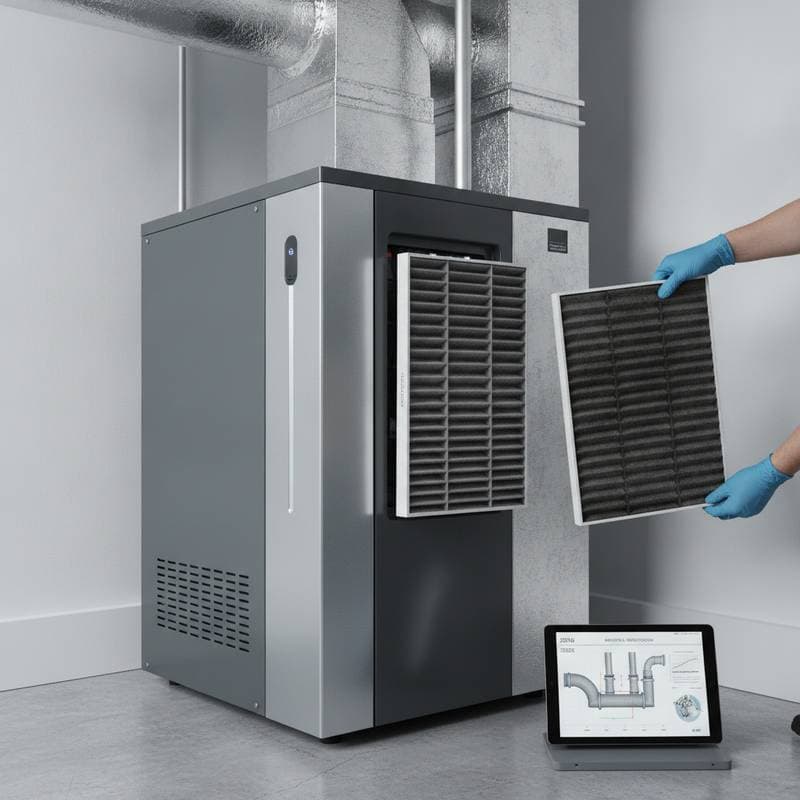
Remove the old filter by sliding it out and note the airflow direction arrow.
-
Inspect the old filter for dirt level and dispose of it properly.
-
Insert the new filter, aligning the arrow with airflow direction.
-
Restore power and test the system for proper operation.
Clean the slot area during replacement to remove loose debris. If unsure, hire a technician for the first attempt. Regular practice builds confidence and ensures thorough maintenance.
Real-World Benefits and Homeowner Experiences
Homeowners who adopt quarterly changes report tangible improvements. Online forums highlight reduced dusting chores and clearer breathing within a week. Families with children notice fewer illness episodes during peak allergy seasons.
Technicians observe that consistent maintenance extends blower motor life by two to three years. Manufacturers design systems with this schedule in mind, as it minimizes wear and repair needs. Energy savings average 10 to 15 percent annually, translating to hundreds of dollars in larger homes.
A regional service analysis compared quarterly adherents to annual changers. The former group saw 12 percent lower energy consumption and 20 percent fewer service calls. These outcomes underscore the value of proactive care.
Addressing Common Concerns
Frequent replacements raise questions about waste and effort. Opt for eco-friendly options to mitigate environmental impact. Many brands provide recyclable frames or programs for returning used filters.
Will higher-rated filters strain my system? Systems built after 2000 often accommodate MERV 8 to 11 filters. For older units, start with moderate ratings and monitor performance. Upgrades rarely cause issues when matched correctly.
How do I afford regular changes? Bulk purchases drop costs to under 10 dollars per filter. The energy savings offset expenses quickly, often within months. View it as an investment in health and home value.
Sustaining Long-Term Air Quality Gains
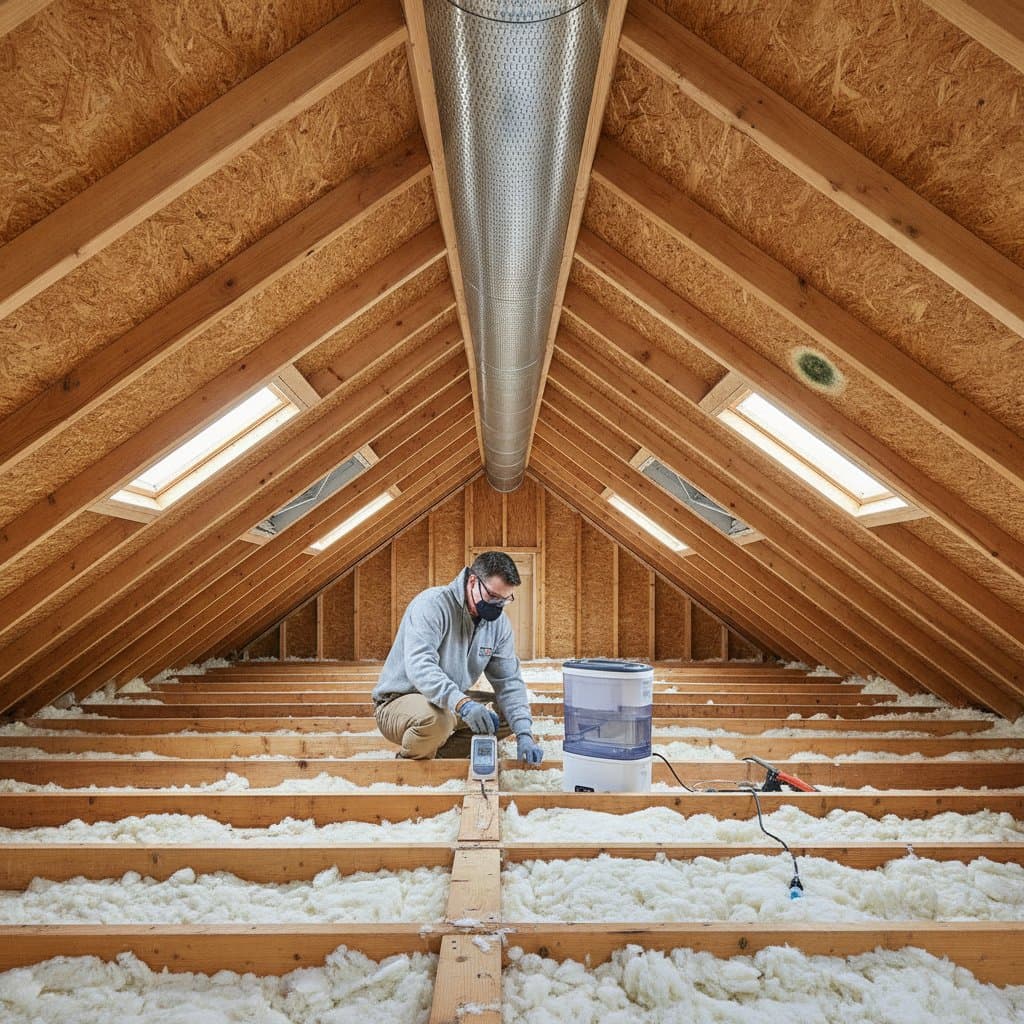
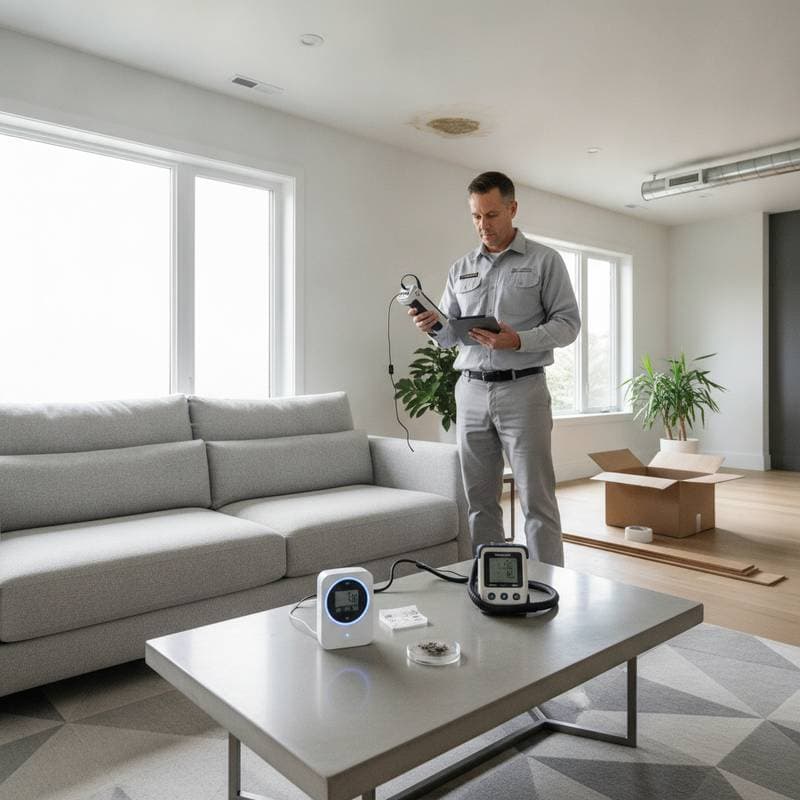
Quarterly filter changes form the foundation of effective HVAC maintenance. Combine them with practices like regular duct cleaning and humidity control for maximum benefits. Track air quality with inexpensive monitors to measure progress.
This habit delivers cleaner air, lower bills, and reliable comfort year-round. Homeowners gain peace of mind knowing their system operates efficiently. Start today to experience the difference in your living space.