Smart Appliances: Covered by Home Warranty?
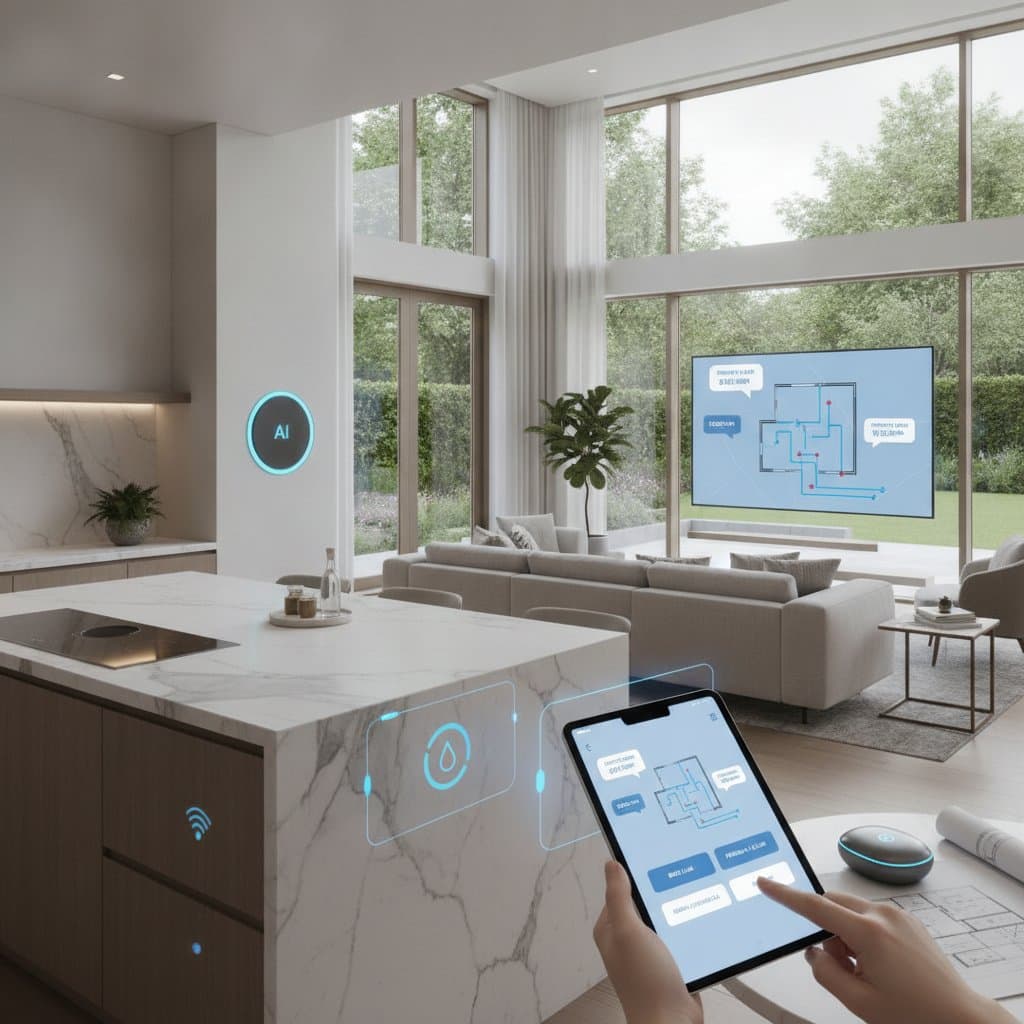
Smart appliances have transitioned from optional features to essential components in modern households. Connected refrigerators, adaptive thermostats, voice-activated ovens, and washers that notify users via mobile applications now integrate seamlessly into daily routines. These devices optimize energy use, streamline tasks, and provide real-time performance insights. However, when a smart refrigerator malfunctions or a connected washer fails, the associated repair expenses often exceed those of traditional models. Homeowners increasingly inquire about home warranty coverage for these advanced systems and the precise scope of protection for their technological elements.
This guide clarifies how home warranties address smart technology, identifies common limitations, and outlines strategies to safeguard investments. It addresses frequent concerns and provides sequential steps to verify coverage prior to any service requirement.
How Home Warranties Function for Appliances
A home warranty serves as a service agreement that covers repair or replacement costs for designated household systems and appliances experiencing breakdowns from normal wear and tear. Unlike manufacturer warranties, which target production defects, home warranties emphasize mechanical and electrical failures arising from routine operation.
Standard policies typically encompass:
- Refrigerators
- Washing machines and dryers
- Ovens, stovetops, and dishwashers
- Built-in microwave ovens
- Water heaters and garbage disposals
Participants remit a monthly or yearly premium along with a service fee per technician visit. The warranty provider determines the appropriate resolution, whether repair or replacement. For smart appliances, complications arise due to integrated software and connectivity features, which may alter the evaluation process.
Interpreting Policy Details
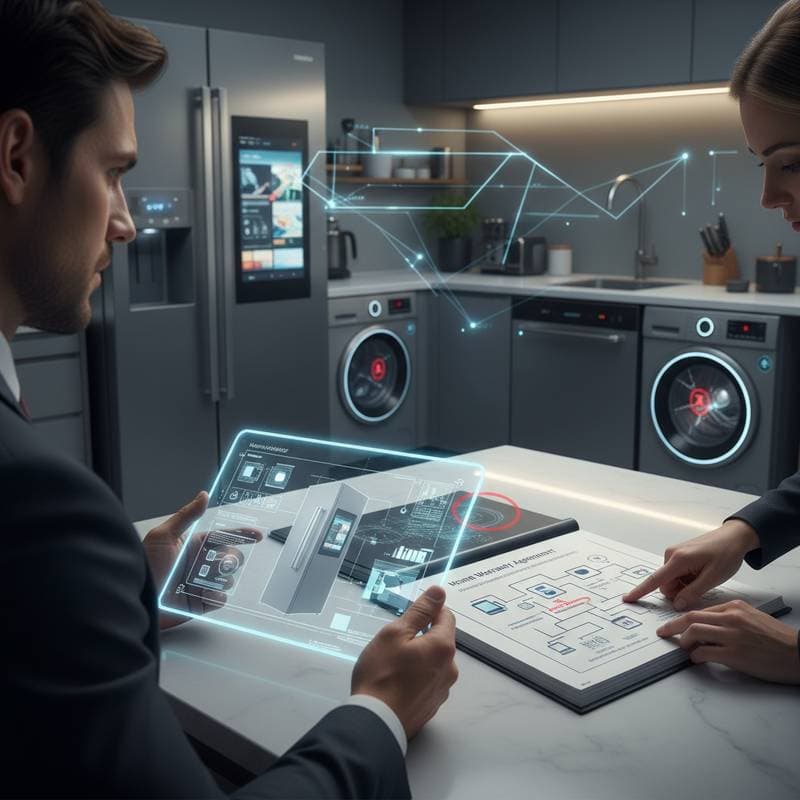
Understanding coverage requires thorough examination of the contract language. Providers specify definitions for covered malfunctions, often centering on the appliance's core physical operations rather than its digital functionalities. Certain policies include optional endorsements for connected devices.
To evaluate a policy effectively:
- Search for references to smart or networked components. Emerging plans incorporate provisions for these elements.
- Review exclusion clauses. Mentions of communication disruptions or software malfunctions may exclude connectivity problems from coverage.
- Inquire about combined repair options. Select providers collaborate with manufacturers to manage both mechanical and digital faults in one visit.
- Verify replacement specifications. Policies might supply only basic models unless they guarantee equivalents with identical smart features.
Such diligence minimizes unexpected outcomes during claims.
Advantages of Comprehensive Smart Appliance Protection
Proper coverage for smart appliances extends value far beyond routine repairs.
- Expense management: Digital circuit boards and sensors incur high repair fees. Coverage offsets these financial burdens.
- Efficiency in service: Connected devices relay diagnostic data remotely, enabling technicians to prepare solutions in advance and reduce resolution time.
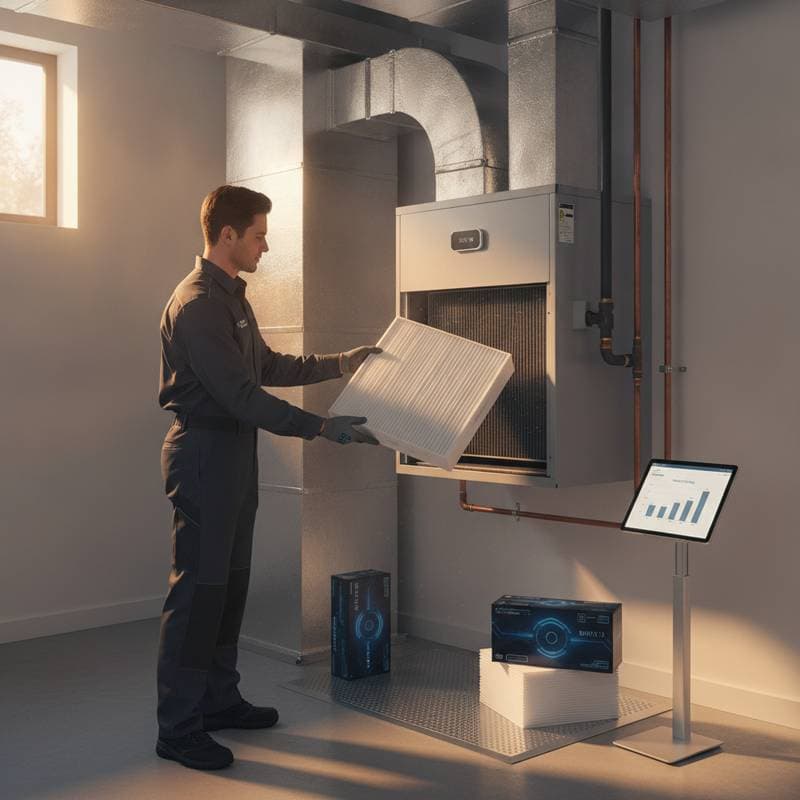
- Enhanced durability: Prompt interventions and maintenance schedules prolong equipment lifespan.
- Seamless smart home compatibility: Advanced providers integrate remote troubleshooting via central hubs, streamlining appointment coordination.
These elements position warranty protection as a strategic component of overall home automation planning.
Repair Cost Analysis: Conventional versus Smart Appliances
| Appliance Type | Average Repair Cost | Typical Warranty Coverage |
|---|---|---|
| Conventional Refrigerator | Moderate | Generally included |
| Smart Refrigerator | Elevated due to sensor integration | Partial in some cases |
| Conventional Washer | Moderate | Generally included |
| Smart Washer | Elevated due to electronic controls | Varies by policy |
| Conventional Oven | Lower for mechanical parts | Included |
| Smart Oven | Substantial for control systems | Requires policy verification |
Practical Advice: For residences with numerous connected appliances, tally the aggregate replacement expenses. Weigh this against the yearly warranty cost to assess economic viability.
(Suggested visual: A bar graph contrasting repair costs for smart and conventional appliances, titled “Smart Appliance Repair Cost Breakdown.”)
Case Study: Navigating a Smart Washer Claim
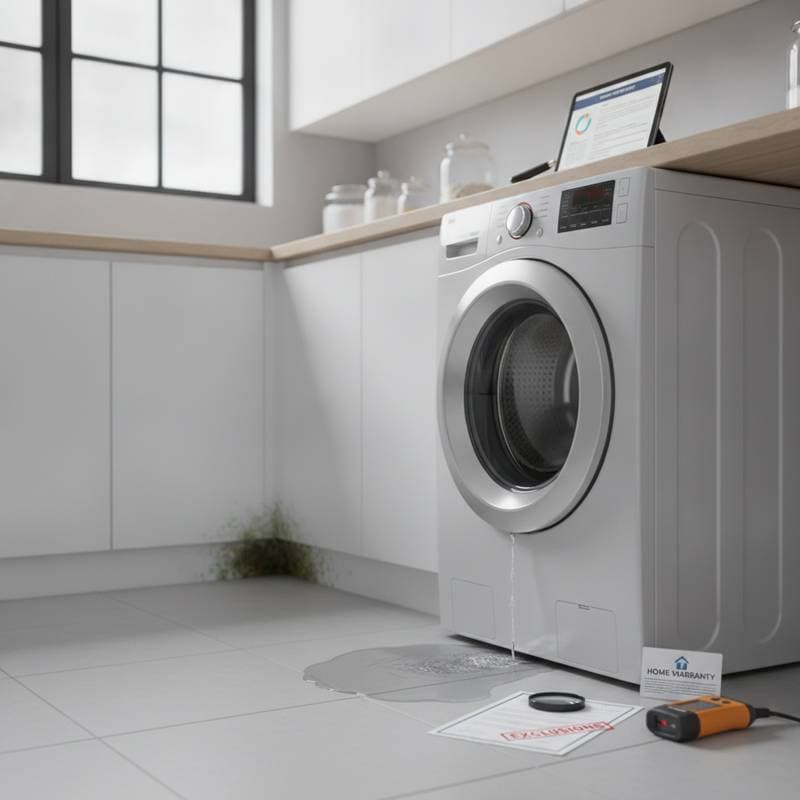
A homeowner encountered an issue with a smart washing machine that halted during operation. The interface indicated a fault in the load sensor, which impaired the machine's primary function. The warranty company authorized the repair, as the sensor qualified under mechanical coverage.
Subsequently, the device lost synchronization with the mobile application. Investigation revealed a failure in the Wi-Fi module, classified as a software element and thus excluded. The homeowner then secured an add-on endorsement for smart components, which prevented similar rejections moving forward.
This scenario illustrates the distinction between hardware and software protections. It underscores the importance of proactive policy review and direct inquiries to providers.
Strategies for Incorporating Smart Appliance Coverage
Incorporate additional coverage under these conditions:
- Ownership of several premium connected appliances.
- Electronics repair expenses surpass the added premium.
- Dependence on automated features necessitates rapid service restoration to avoid disruptions.
- Availability of providers with expertise in smart device servicing.
For homes with limited connected items, a base policy supplemented by targeted upgrades suffices. Consistently balance potential replacement costs against ongoing premiums to inform decisions.
Maximizing Protection for Connected Home Investments
Effective warranty strategies for smart appliances yield sustained financial and operational benefits. Homeowners who align coverage with their technological ecosystem experience fewer interruptions and lower long-term expenses. By prioritizing detailed policy analysis and timely adjustments, individuals fortify their homes against the unique vulnerabilities of advanced appliances. This approach ensures that innovation enhances rather than complicates household reliability.