Essential Steps to Prepare Your Air Conditioner for Summer
Rising temperatures demand a reliable air conditioning system to maintain home comfort and safety. Proactive preparation before the warm months ensures consistent cooling performance, superior indoor air quality, and minimized energy consumption. Homeowners who delay activation until the initial heat wave often encounter units that underperform. Investing a few hours in upfront care avoids such challenges and curbs future repair expenses.
Examine the Outdoor Condenser Unit
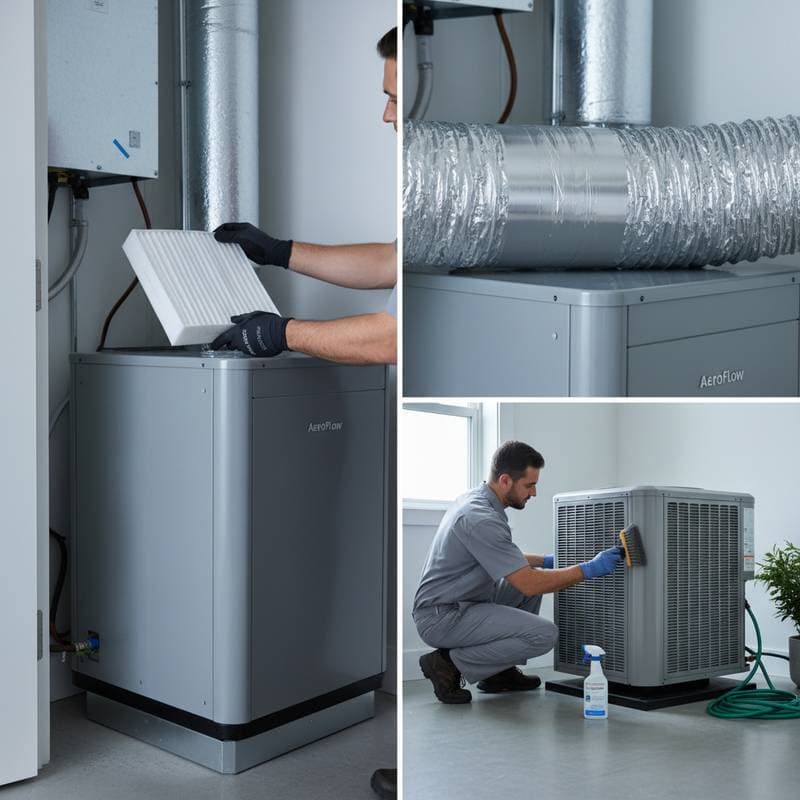
Begin the process by assessing the outdoor condenser. Remove leaves, grass clippings, or accumulated debris from a two-foot perimeter surrounding the unit. Unobstructed airflow remains vital for optimal cooling operation. Employ a soft brush or vacuum attachment to dislodge dirt from the fins, taking care not to bend them. For bent fins, utilize a fin comb to restore their alignment gently.
Inspect for evidence of corrosion, unsecured wiring, or oil residues adjacent to the compressor. Such indicators may signal refrigerant leaks or electrical degradation. Engage a licensed technician to evaluate any frayed or corroded connections. Positioning the unit in a shaded yet ventilated area reduces operational strain and extends its service life.
Clean or Replace the Air Filters
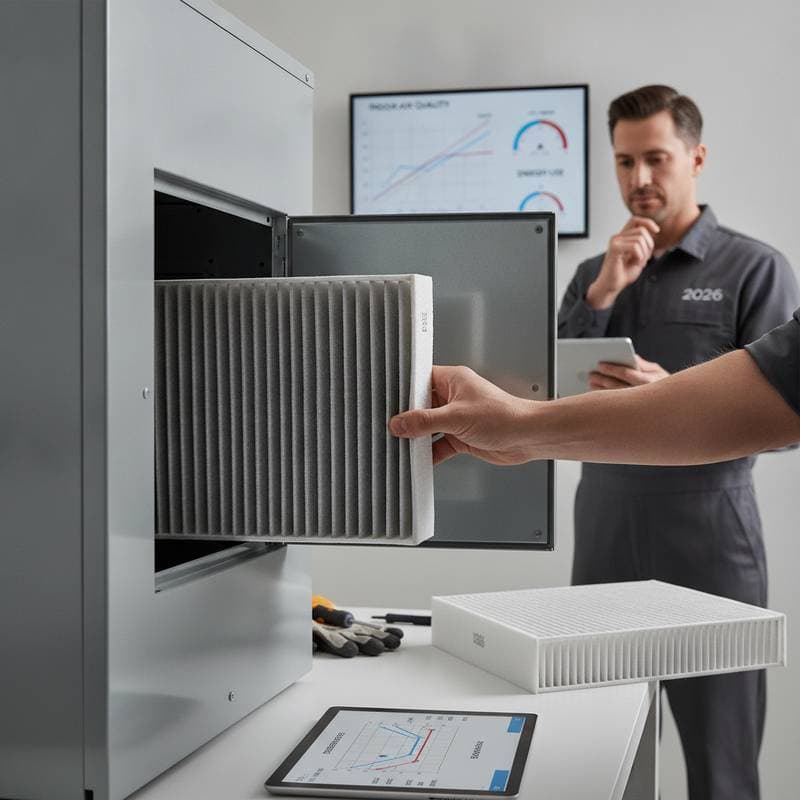
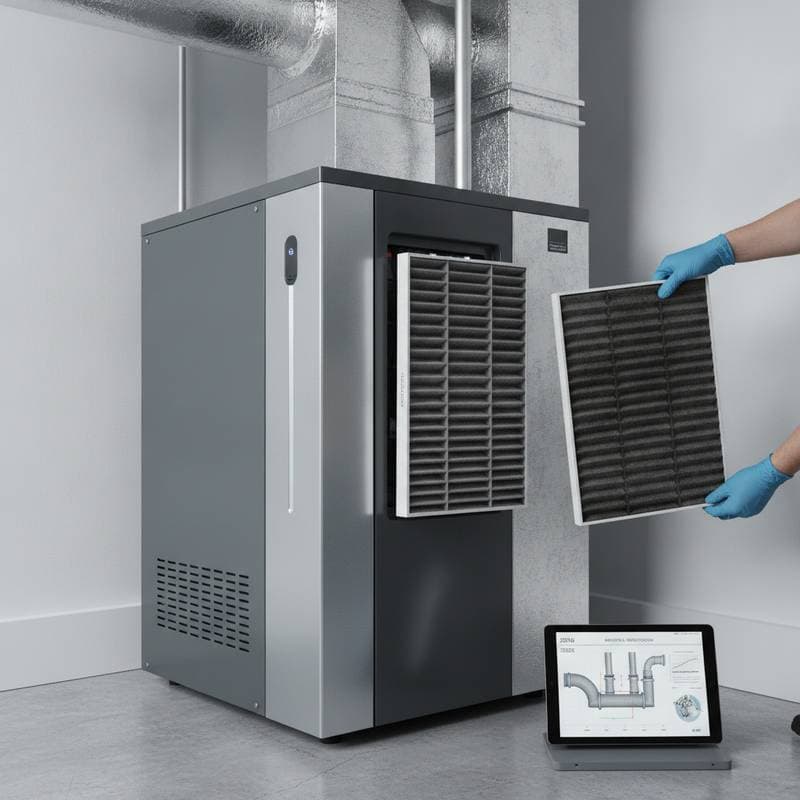
A dirty filter impedes airflow, compelling the system to labor excessively. Exchange disposable filters every one to three months, or rinse reusable variants following the manufacturer's guidelines. Select filters with MERV ratings between 8 and 13 to provide effective residential filtration without overburdening the equipment. Well-maintained filters decrease energy usage by as much as 15 percent and elevate indoor air purity.
In households with pets or following recent construction activities that generate dust, perform filter checks more frequently. Numerous homeowners establish monthly reminders via smartphone applications during high-demand cooling seasons to stay ahead of potential issues.
Evaluate the Thermostat and Its Configuration
A modern smart thermostat delivers significant improvements in both comfort levels and operational efficiency. Verify functionality by adjusting the setting a few degrees cooler and observing if the air conditioner activates promptly. Delayed response might suggest issues with wiring or the sensor.
If reliance persists on a manual model, contemplate installation of a programmable alternative. Automated adjustments for periods when the home stands empty reduce energy demands without compromising occupant comfort. Position the thermostat away from direct sunlight or proximity to heat-emitting appliances, as inaccurate readings lead to improper cycling.
Assess Ductwork and Vent Openings
Leaking ducts squander cooled air and impose additional stress on the entire system. Traverse the residence and gauge airflow strength at each vent. Detach vent covers to vacuum accumulated dust or particulates. Apply foil tape or mastic sealant to repair observable gaps in reachable duct segments. Refrain from ordinary duct tape, which deteriorates rapidly over time.
Uneven temperatures across rooms may reveal obstructed or compressed ducts. Professional air balancing assessments pinpoint such deficiencies accurately. Proper duct sealing enhances cooling distribution by 20 percent or greater, positioning it among the highest-return efficiency modifications.
Clear the Condensate Drain Line
The condensate drain line expels excess moisturesystem. Clogs from algae or sediment buildup over time result in water leakage and unpleasant odors. Disconnect power supply, identify the drain line beside the indoor unit, and flush it with a solution of warm water blended with vinegar. This routine clears pathways and safeguards against moisture-related damage near the air handler.
Persistent standing water or humid scents warrant attention to the drain pan as well. Clean it using mild soap and water to eliminate residues. Maintaining dryness in this zone inhibits mold proliferation and preserves air quality standards.
Verify Refrigerant Levels
Insufficient refrigerant prompts the system to emit warm air or causes coil icing. Certified technicians alone manage refrigerant adjustments, yet homeowners can monitor key symptoms. Frost accumulation on refrigerant lines, unusual hissing noises, or abrupt declines in cooling capacity signal potential leaks. Routine professional inspections incorporate pressure evaluations to verify appropriate refrigerant charges.
Addressing leaks promptly not only restores efficiency but also averts escalated energy costs. Early intervention shields the compressor from harm, mitigating what often ranks as the priciest air conditioning repair.
Arrange a Professional Service Inspection
Regardless of apparent system health, an annual professional tune-up yields substantial benefits. Such services typically range from 75 to 150 dollars and encompass coil cleaning, refrigerant verification, electrical component securing, and comprehensive operational testing. View this as essential preventive care, akin to routine vehicle oil changes. Minor corrections at this stage forestall extensive failures amid intense summer demands.
Request a detailed report from the technician outlining inspections performed and suggested actions. Retaining these documents facilitates long-term performance monitoring and bolsters warranty validations when required.
Review Insulation and Home Sealing
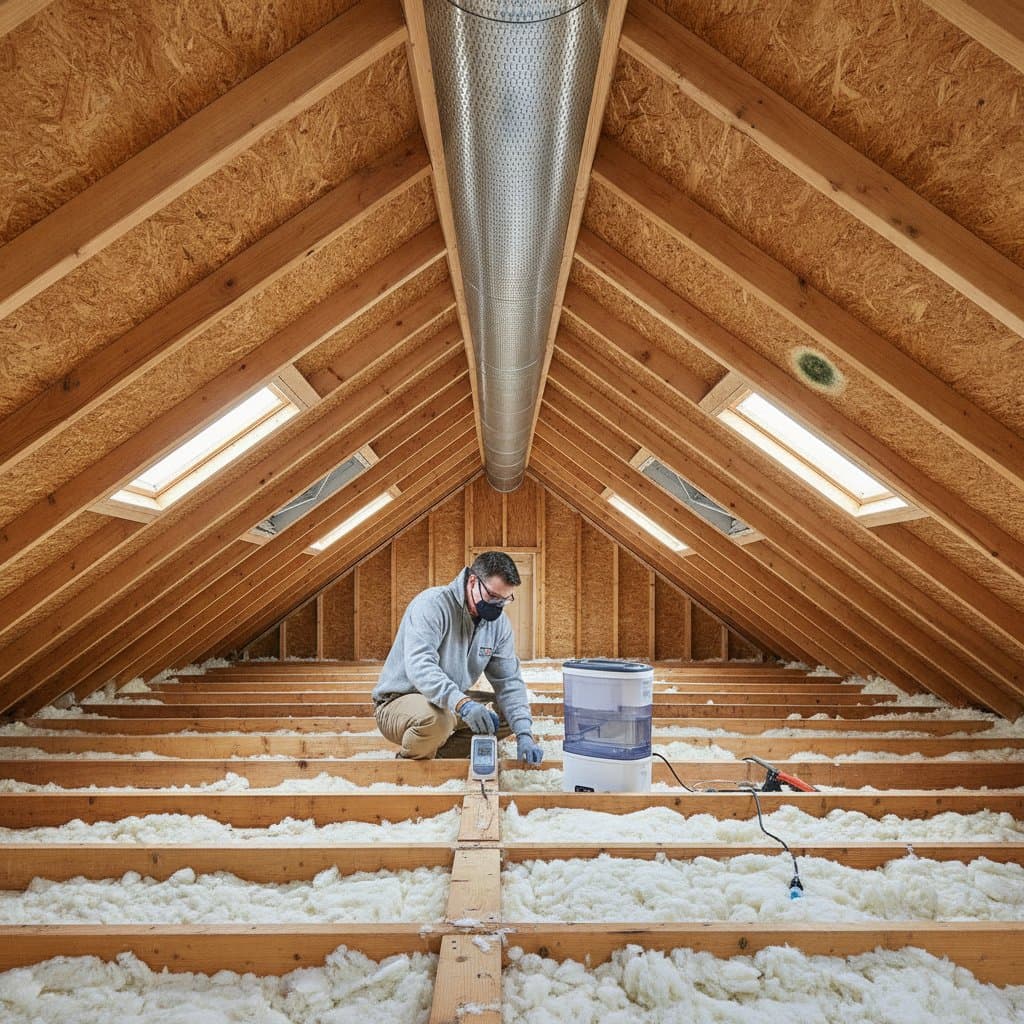
Inadequate insulation allows cooled air to escape, compelling the air conditioner to cycle more frequently. Examine attic and wall insulation for gaps, settling, or damage, ensuring it meets recommended R-values for your climate zone. Add weatherstripping to doors and windows to block warm air infiltration, and caulk cracks around frames and outlets.
These measures complement AC preparation by stabilizing indoor temperatures. Enhanced sealing reduces the system's workload, yielding further energy savings and uniform comfort throughout the home.
Practical Recommendations for Optimal Results
- Activate the system briefly before peak summer temperatures to identify issues when technician availability remains high.
- Maintain a dedicated log for recording filter replacements, cleaning sessions, and service appointments to detect trends and inform future decisions.
- Regularly prune foliage encircling the outdoor unit to prevent heat retention and airflow obstruction.
- Integrate ceiling fans to distribute cooled air evenly, enabling shorter AC run times and reduced energy draw.
- Conduct seasonal insulation checks to sustain peak performance and efficiency.
Safeguard Efficiency Through Ongoing Care
Consistent attention to these preparation steps transforms your air conditioner into a reliable ally against summer heat. Beyond immediate cost reductions, such diligence extends equipment longevity and enhances living space quality. Implement these practices annually to enjoy sustained benefits in comfort and savings.