Quarterly HVAC Filter Replacements: Enhance Efficiency in 2026
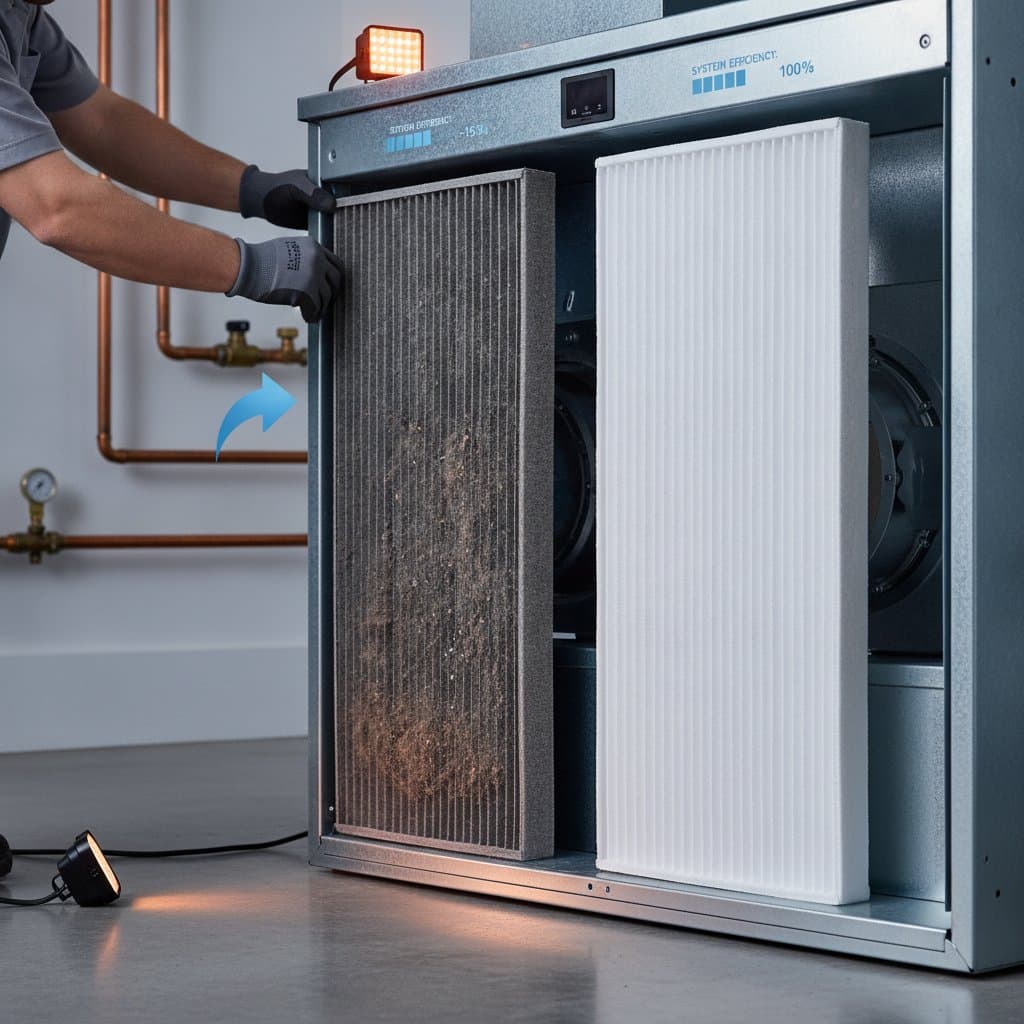
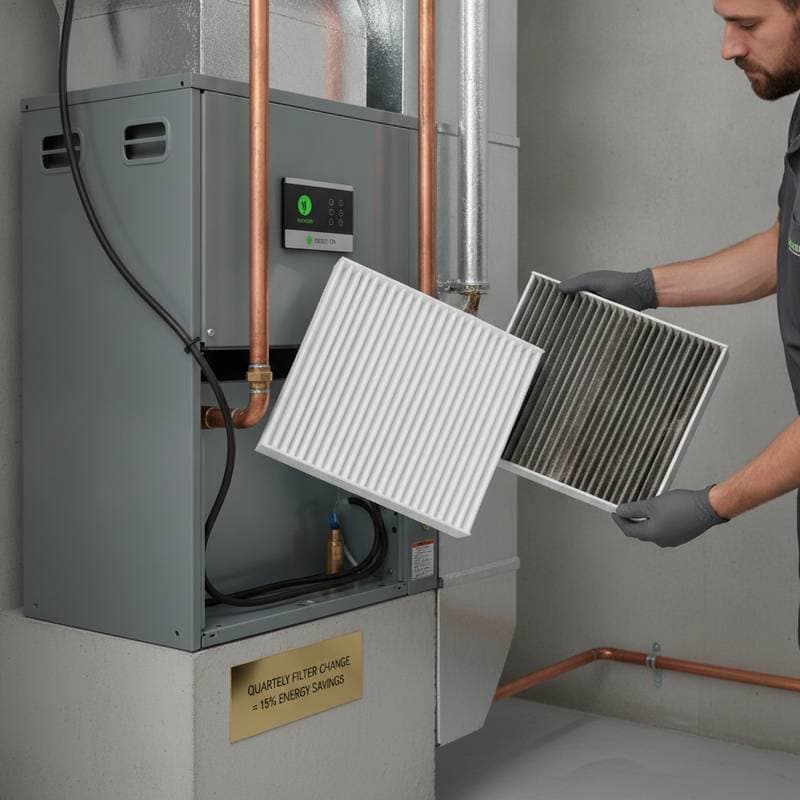
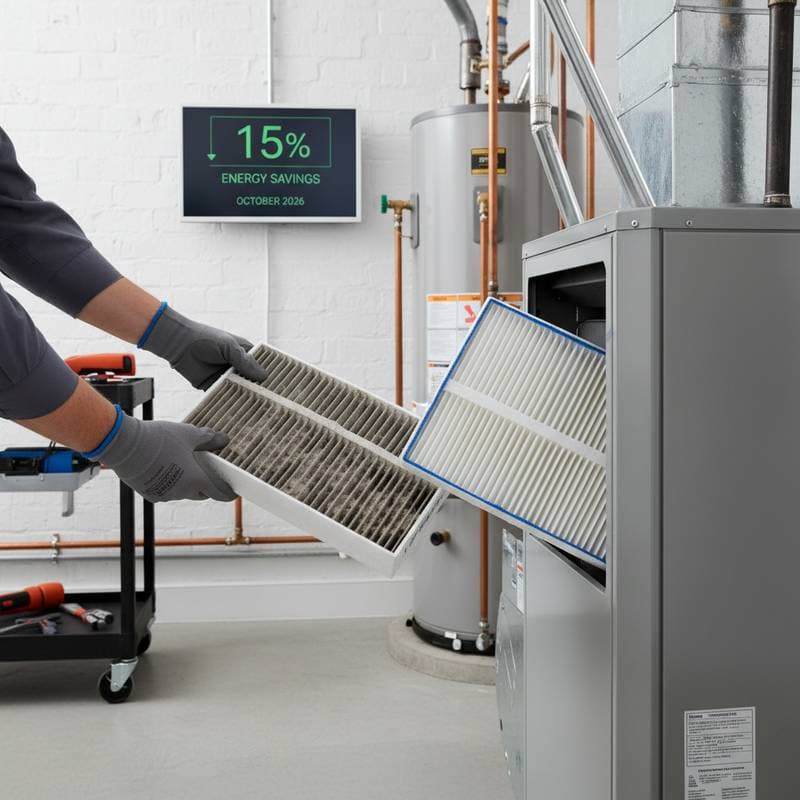
HVAC systems face peak demands during seasonal transitions, where clean air filters play a pivotal role in performance. Homeowners often overlook how a dirty filter increases energy consumption by as much as 15 percent, accelerates equipment wear, and compromises air quality. Establishing a quarterly replacement routine ensures smooth airflow, controls operational costs, and supports reliable heating and cooling throughout the year.
The Importance of Quarterly Replacements
Household dust, pet dander, pollen, and other particles accumulate rapidly in air filters. A saturated filter forces the system to labor more intensely to circulate air, which overworks the blower motor, elevates electricity usage, and hastens component degradation. Quarterly replacements strike an optimal balance between system protection and maintenance economy, preventing excessive strain without prompting premature filter changes.
Research from energy efficiency experts indicates that regular filter maintenance can extend HVAC lifespan by up to five years. Systems under such a regimen consume less electricity and require fewer professional interventions. Homeowners who adopt this practice often realize substantial savings, potentially amounting to hundreds of dollars annually through reduced utility payments and avoided repairs.
Selecting the Appropriate Filter
Filters vary significantly in design and effectiveness, with fiberglass and pleated options serving as primary choices for home use. Fiberglass models, priced between two and four dollars, effectively capture larger debris but offer limited protection against smaller contaminants. Pleated filters, ranging from ten to twenty dollars, provide superior filtration for fine dust and allergens, proving especially beneficial in environments with pets or sensitive residents.
Evaluate the Minimum Efficiency Reporting Value, or MERV, rating to guide selections. Ratings from 8 to 11 suit the majority of residential setups, balancing capture efficiency with airflow preservation. Higher ratings may impede circulation in standard systems; consult the manufacturer's guidelines, typically found on the access panel, to confirm compatibility.
Establishing a Reliable Replacement Schedule
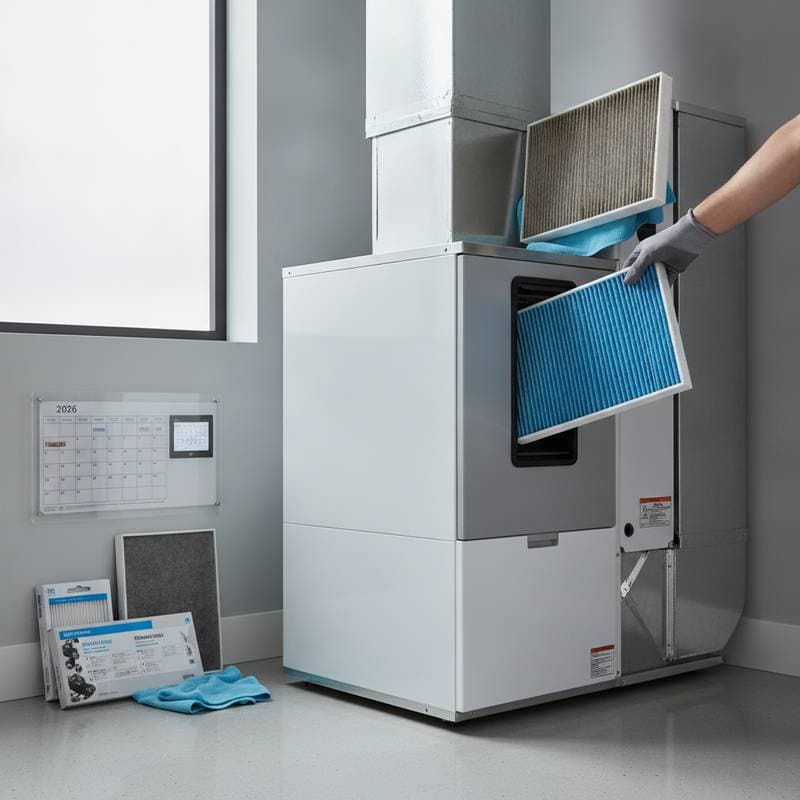
Align filter changes with seasonal beginnings to foster consistency: spring, summer, autumn, and winter. Integrate reminders into digital calendars or smartphone applications for timely prompts. Purchasing a full year's supply upfront prevents shortages during peak usage periods and simplifies the maintenance process.
In homes with elevated dust levels, multiple occupants, or several pets, conduct monthly visual inspections. Replace the filter if it appears discolored or laden with debris ahead of schedule. This proactive approach sustains system health and preserves the freshness of indoor environments.
Installation and Safety Guidelines
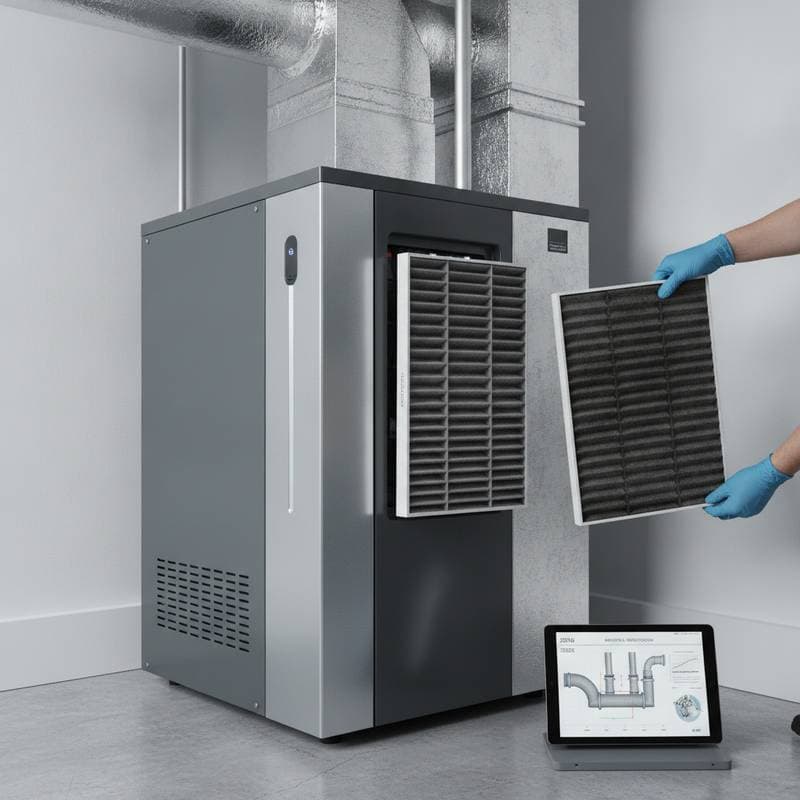
Power down the HVAC unit at the thermostat and main breaker before handling filters to eliminate electrical hazards. Observe the directional arrows on the filter's frame and align them precisely with those inside the unit for correct orientation. Insert the new filter firmly yet gently; resistance suggests an ill-fitting size, while excessive looseness indicates a mismatch.
Standard dimensions for residential filters include 16 by 20 inches or 20 by 25 inches, though specialty sizes accommodate varied units and are readily available at hardware retailers. Seal used filters in plastic bags prior to disposal to contain airborne particles. Refrain from cleaning disposable types, as moisture or agitation compromises their structure and filtration capacity.
Long-Term Benefits of Consistent Maintenance
A disciplined quarterly filter replacement regimen safeguards both daily comfort and financial investments. Unobstructed filters stabilize energy expenditures, diminish the likelihood of mechanical failures, and promote even air distribution. Over years, this routine averts costly overhauls and upholds peak performance.
View HVAC maintenance as essential care for a vital home asset, akin to routine vehicle servicing. The modest expense of four annual filters yields returns in cleaner air, diminished bills, and extended durability. Commit to this practice for sustained efficiency and peace of mind in 2026.