Establishing Peak Indoor Air Quality Through Quarterly Filter Maintenance
Maintaining fresh and clean air within your home requires minimal effort. Changing the HVAC filter every three months stands as one of the most effective methods to enhance indoor air quality. This quarterly routine ensures the system operates smoothly, safeguards health, and generates long-term savings. Homeowners often overlook this essential task, yet it significantly impacts overall comfort and operational efficiency.
The Importance of Consistent Filter Replacements
The air filter serves to capture dust, pollen, and microscopic particles before they spread throughout living spaces. As these contaminants accumulate, they obstruct airflow. Consequently, the HVAC system labors more intensely to circulate air, which increases energy consumption and accelerates component wear.
A clogged filter may also distribute debris through the ductwork, thereby diminishing the air quality. Clean filters shield occupants from allergens and mitigate indoor pollutants such as smoke remnants and pet dander. In homes with pets or residents suffering from allergies, regular replacements prove particularly beneficial in fostering a healthier atmosphere. Professionals in home maintenance frequently observe that steady filter changes alleviate symptoms like sneezing and coughing associated with subpar air quality.
Implementing a Quarterly Maintenance Schedule
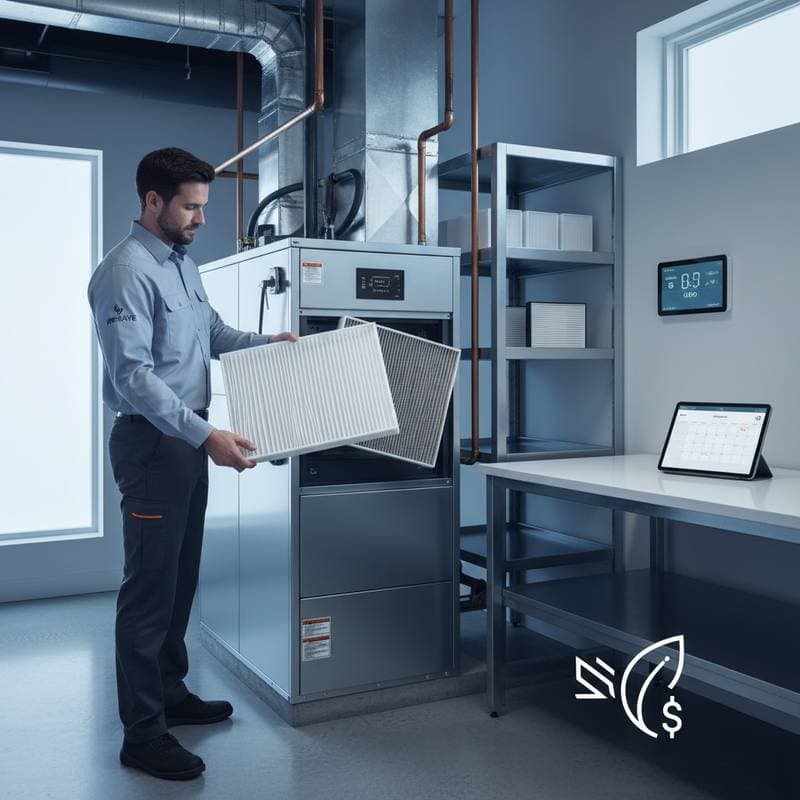
Establishing a quarterly filter replacement schedule simplifies ongoing home care. Set reminders via a smartphone calendar or place a visible note adjacent to the thermostat. Label each newly installed filter with the installation date to track progress.
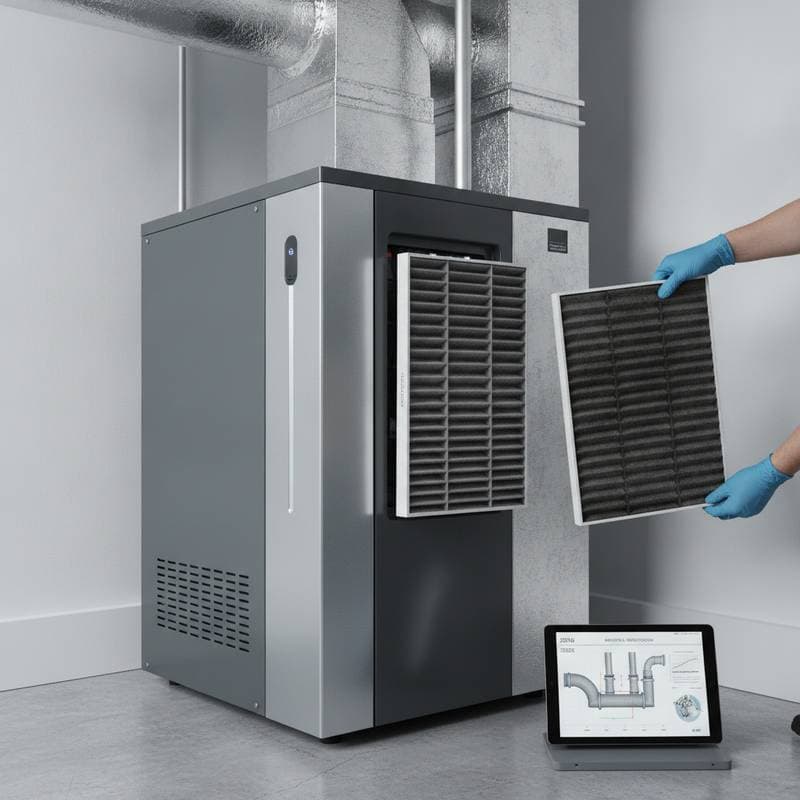
Execute the replacement process safely with these detailed steps:
-
Power down the HVAC system prior to accessing any panels. This precaution prevents the intake of additional dust during the procedure.
-
Identify the filter compartment. Common locations include behind return air vents or within the blower housing.
-
Extract the used filter with care to minimize dust dispersion into the surrounding area.
-
Verify dimensions and specifications. The filter frame displays the required size; ensure replacements match precisely.
-
Position the new filter correctly, aligning the directional arrows toward the blower or in the direction of airflow.
-
Reactivate the HVAC system and record the date for the subsequent replacement.
Utilize a dedicated reminder application or a traditional wall calendar to ensure this routine remains consistent and uninterrupted.
Selecting Appropriate Filters for Your System
Filters vary in performance, rated by Minimum Efficiency Reporting Value, or MERV. Higher MERV ratings indicate superior particle capture, though excessively high values may impede airflow in aging HVAC units. Standard residential systems perform optimally with MERV ratings between 8 and 13, striking a balance between filtration efficacy and air circulation.
For households managing allergies or asthma, opt for MERV 11 or 12 to effectively trap finer allergens without overburdening the system. Reusable filters allow for washing and reuse, offering cost savings, but require thorough drying to avert mold growth. Disposable filters demand periodic replacement yet simplify maintenance and reduce the risk of contamination.
Consider the trade-offs: reusable options lower long-term expenses but necessitate more hands-on care, while disposables prioritize convenience at the expense of increased waste. A comparative overview might highlight differences in airflow impact, annual costs, and filtration capabilities, aiding informed selections.
Advantages Extending to Efficiency and Cost Savings
Quarterly filter replacements optimize HVAC performance, thereby reducing energy demands as the system avoids overexertion. These changes also diminish the likelihood of mechanical failures, curbing repair expenditures. Surveys among HVAC technicians reveal that clogged filters rank among the primary reasons for service interventions; adhering to a three-month cycle averts many such problems.
To visualize the transformation, imagine a side-by-side image of a soiled filter versus a pristine one, demonstrating the volume of accumulated debris over a single quarter. Such illustrations underscore the tangible improvements in system health and air purity.
Sustaining Long-Term Home Maintenance Habits
Adhering to a quarterly filter schedule cultivates enduring system efficiency. Integrate this practice with complementary tasks, such as inspecting vents for blockages and vacuuming register grilles during seasonal cleanings. Maintain a dedicated log to document each maintenance activity, reinforcing accountability.
Reliable execution unlocks sustained benefits: superior air quality, enhanced operational reliability, and a more salubrious living environment. This straightforward commitment yields measurable returns in comfort and fiscal prudence.