Essential Fall HVAC Filter Replacement: Timing and Selection
As temperatures drop, the HVAC system transitions from cooling to heating duties. Fall presents the optimal window to install a fresh air filter. This routine maintenance enhances airflow, optimizes energy use, and elevates indoor air quality. Homeowners often overlook the impact of this straightforward update, yet it delivers substantial benefits in comfort and cost savings.
Optimal Timing for Filter Replacement in Fall
Summer operations accumulate dust, pollen, pet dander, and debris within the filter. As the system switches to heating, this accumulation impedes airflow and diminishes efficiency. Installing a new filter allows unrestricted air movement, easing the load on the blower motor and ensuring even distribution of warmth throughout the home.
HVAC professionals emphasize that seasonal replacements represent the most effective strategy for prolonging equipment durability. Data from Energy Star indicates that addressing a clogged filter can decrease energy consumption by as much as 15 percent. Such proactive care averts costly breakdowns and sustains reliable performance.
Selecting the Appropriate Filter Type
Filter options vary to address diverse household requirements. Consider factors such as allergy prevalence, pet presence, and system specifications when choosing. The following outlines primary types:
-
Fiberglass filters: These budget-friendly, disposable units provide basic protection against larger particles. They prove suitable for homes lacking allergy sufferers or pets, though they capture minimal fine dust.
-
Pleated filters: Constructed from folded polyester or cotton media, these options trap finer contaminants like dust and pollen more effectively. They offer a practical balance of filtration and airflow for typical residences.
-
Electrostatic filters: Relying on static charge, these attract and hold microscopic particles. Families dealing with pets or seasonal allergies benefit from their enhanced capture capabilities without excessive resistance.
-
HEPA filters: These advanced units eliminate up to 99 percent of airborne particles, including bacteria and mold spores. Reserve them for individuals with severe respiratory conditions, but verify compatibility to avoid straining the system.
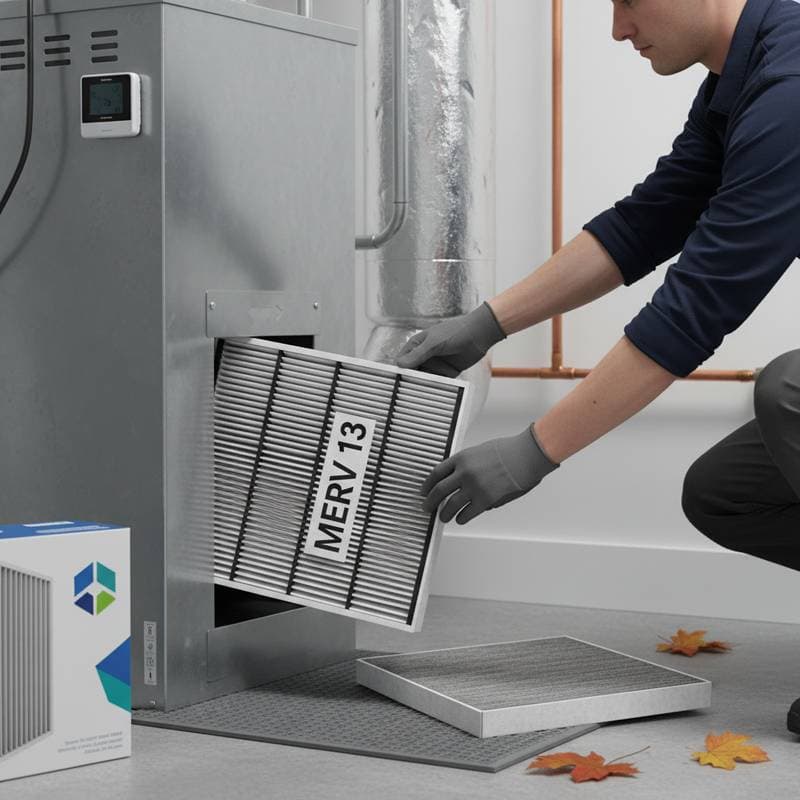
Examine the Minimum Efficiency Reporting Value (MERV) rating, which measures filtration prowess. Residential systems perform best with ratings from 8 to 12, striking a balance between particle removal and motor efficiency. Consult the HVAC manual or a professional for precise recommendations tailored to your unit.
Step-by-Step Guide to Safe Filter Replacement
Perform this task with care to minimize dust disturbance and ensure proper installation. Allocate about ten minutes and gather basic supplies like gloves and a flashlight if needed.
-
Power down the system: Switch off the HVAC at the thermostat to prevent accidental activation.
-
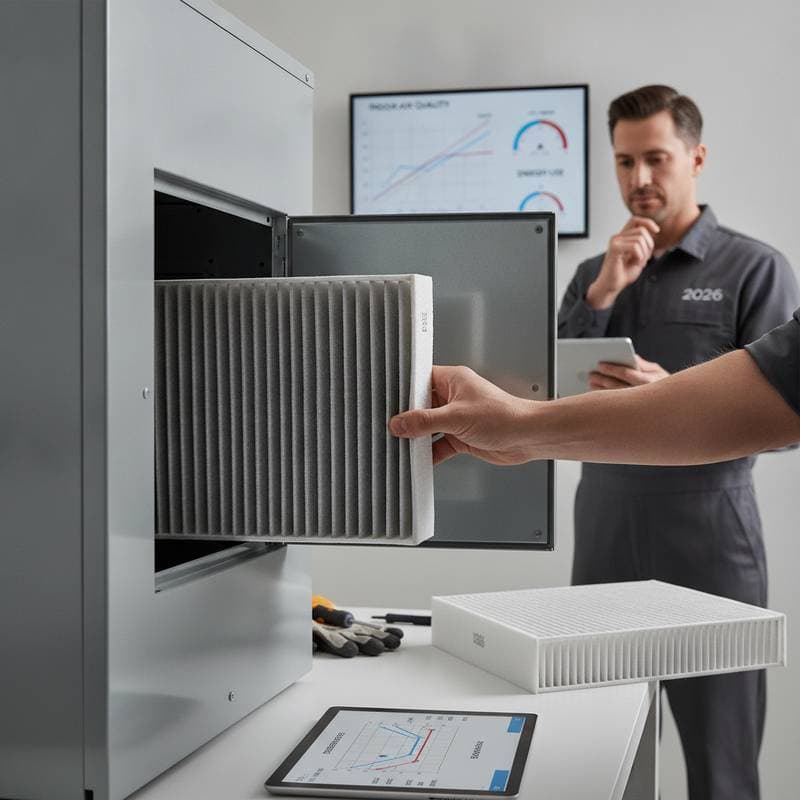
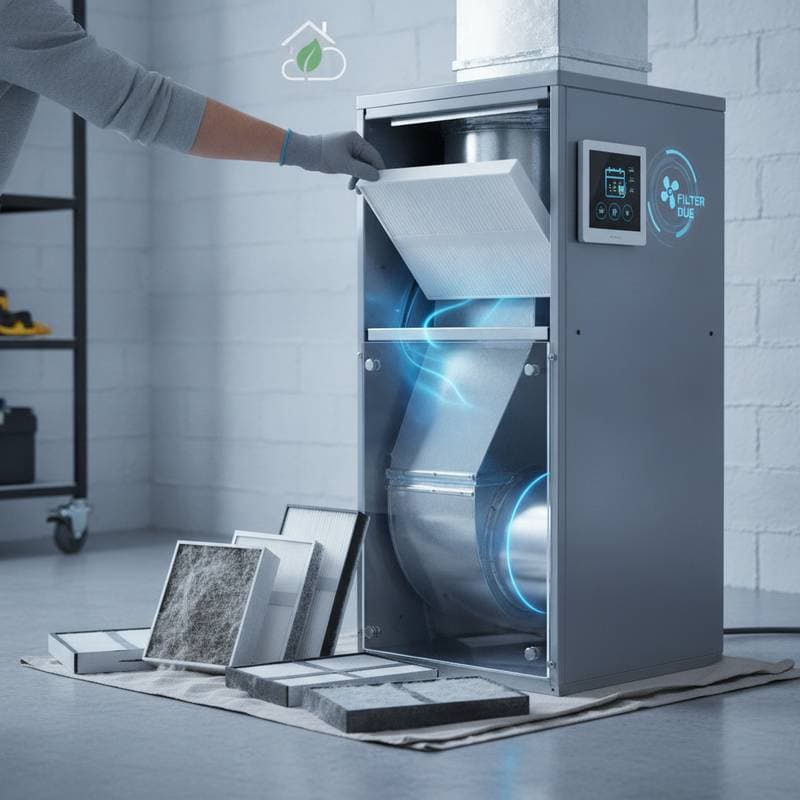
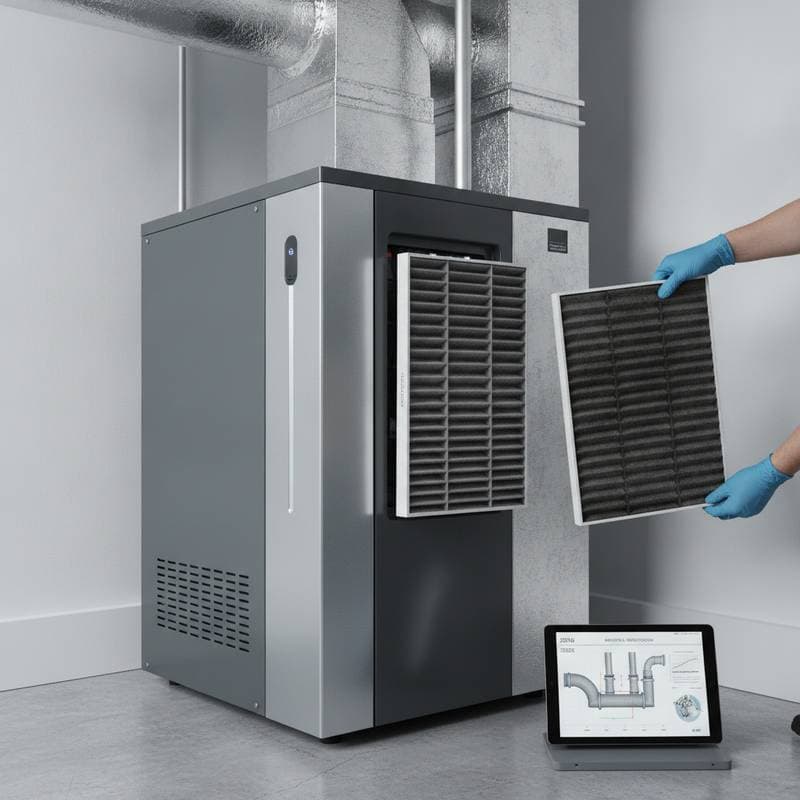
Access the filter slot: Identify the compartment, typically adjacent to the return air grille or within the air handler unit in the basement, attic, or utility closet.
-
Extract the used filter: Slide it out gently, holding it by the edges to contain loose particles. Dispose of it responsibly, ideally in a sealed bag.
-
Orient the replacement: Note the directional arrows on the new filter, which indicate airflow path. Align them to match the system's intake direction, usually pointing toward the blower.
-
Close and reactivate: Reinstall the access panel securely. Restore power and monitor the system for normal operation, listening for unusual noises.
If the existing filter appears heavily soiled—such as dark gray or laden with visible debris—replace it immediately, regardless of the season. This prevents immediate efficiency losses and potential damage.
Establishing a Reliable Replacement Routine
Filter lifespan ranges from one to three months, influenced by home occupancy, pet activity, and environmental factors. Households with smokers, multiple residents, or high dust levels demand more frequent attention. Align checks with seasonal shifts to build consistency.
Photograph the filter upon installation and compare at the next interval to gauge dirt accumulation. Alternatively, leverage calendar alerts or apps from filter manufacturers for timely notifications. For added convenience, explore subscription services that deliver replacements quarterly.
Modern smart thermostats integrate filter monitoring features. These devices assess airflow metrics and runtime data to predict replacement needs. Alerts via mobile apps eliminate oversight, fostering year-round efficiency and reducing unexpected service calls.
Safeguarding System Longevity and Comfort
Beyond air purification, diligent filter maintenance shields the HVAC from excessive wear, such as motor burnout or coil fouling. This practice extends operational life by years and stabilizes energy expenses amid fluctuating utility rates. Consistent temperatures enhance daily living, free from drafts or hot spots.
Integrate the fall replacement into broader home upkeep, like inspecting ducts for leaks or clearing outdoor units. Select filters aligned with your lifestyle, adhere to a structured schedule, and observe system cues. These steps secure a dependable, healthful home environment while curbing operational costs effectively.