Prepare for Cool Comfort: AC Pre-Season Tune-Up Essentials for 2026
A pre-season tune-up maintains your air conditioner in optimal condition before summer heat arrives. This service safeguards your investment, enhances operational efficiency, and minimizes the chance of unexpected failures. Professional attention delivers measurable improvements in energy consumption and indoor comfort.
Fundamentals of AC Tune-Up Costs
Air conditioner tune-up expenses differ based on location, provider, and unit specifications. Nationally, standard tune-ups cost between $75 and $200. These fees typically encompass thorough inspections, cleaning procedures, performance evaluations, and basic adjustments.
Regional differences play a major role in pricing. Coastal or humid zones often incorporate corrosion assessments and drainage checks, which elevate costs modestly. Milder climate areas feature reduced rates, while urban locations reflect higher labor expenses compared to rural settings.
Seasonal demand influences fees as well. Spring promotions encourage early scheduling with discounts from HVAC firms. As summer approaches, increased requests drive up prices. Broader economic elements, including fuel costs, technician availability, and parts supply issues, contribute to annual fluctuations.
Common Pricing Models
HVAC providers utilize various pricing approaches for tune-ups. Hourly billing ranges from $80 to $150, depending on the task duration. Flat-fee options bundle predefined services for predictability.
Properties with multiple units benefit from per-unit discounts. A second system serviced in one visit often receives a reduced rate. Larger commercial sites employ project-based fees that account for extensive evaluations.
Bundle packages combine heating and cooling maintenance, offering 10 to 20 percent savings over individual appointments. Annual subscription plans, priced at $150 to $400, provide scheduled visits, priority repairs, and ongoing discounts tailored to property scale and unit count.
Service Tiers and Associated Costs
Maintenance services divide into tiers that match different needs and budgets.
- Basic tier: Emphasizes inspections and surface cleaning, costing $75 to $100. Tasks include filter reviews, thermostat verification, and visual examinations of key parts.
- Standard tier: Encompasses coil cleaning, refrigerant checks, and airflow assessments, priced at $120 to $180. This option suits routine preventive care.
- Premium tier: Features in-depth cleaning of coils, drain flushing, duct reviews, and electrical tuning, ranging from $200 to $400.
- Specialized tier: Covers custom elements like smart thermostat setup or energy audits, with costs exceeding $500 for complex systems.
Factors That Shape Tune-Up Expenses
Several elements determine the final price of a tune-up. System size stands out as a primary driver; compact single-stage units require less time than elaborate multi-zone setups.
Technological complexity demands specific expertise and tools, increasing labor involvement. Units neglected for years extend service duration through additional decontamination and diagnostics.
Incidental materials, such as new filters or refrigerant additions, incur extra charges. These items address immediate needs discovered during the visit.
Optional Add-On Services
Enhance your tune-up with targeted add-ons for superior results.
Duct cleaning, priced at $300 to $600, clears vents and improves circulation while curbing internal dust accumulation. Refrigerant recharges cost $150 to $400, varying by refrigerant type and volume; eco-friendly options may command a premium.
Thermostat installations range from $80 for simple digital models to $300 for Wi-Fi-enabled smart units with scheduling features. Priority scheduling during heat peaks adds 20 to 40 percent to base fees, guaranteeing prompt service amid high demand.
Benefits of Pre-Season Maintenance
Early tune-ups uncover issues like refrigerant leaks or electrical faults before they worsen. Data from the Air Conditioning Contractors of America indicates that maintained systems achieve up to 30 percent greater efficiency than unserviced counterparts.
Improved air quality results from cleaner filters and coils, which filter out allergens and contaminants. Consistent care extends equipment life by years, deferring replacement expenses.
The tune-up expense often pays for itself through reduced utility bills in one season. View it as an investment in reliability and financial prudence.
Steps in a Typical Professional Tune-Up
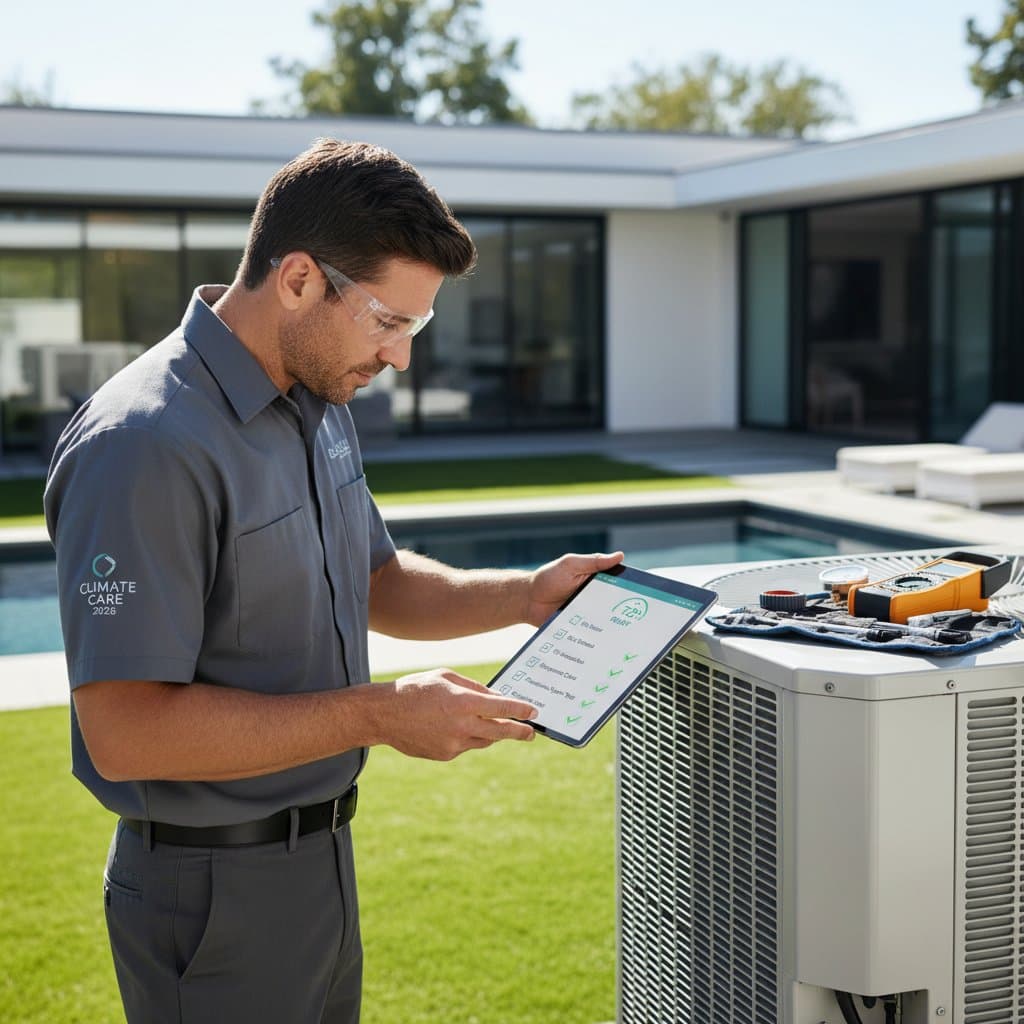
Technicians adhere to a systematic process during visits.
- Conduct safety inspections of electrical components, including capacitors, contactors, and wiring for damage or corrosion.
- Clean condenser and evaporator coils to eliminate airflow-blocking debris.
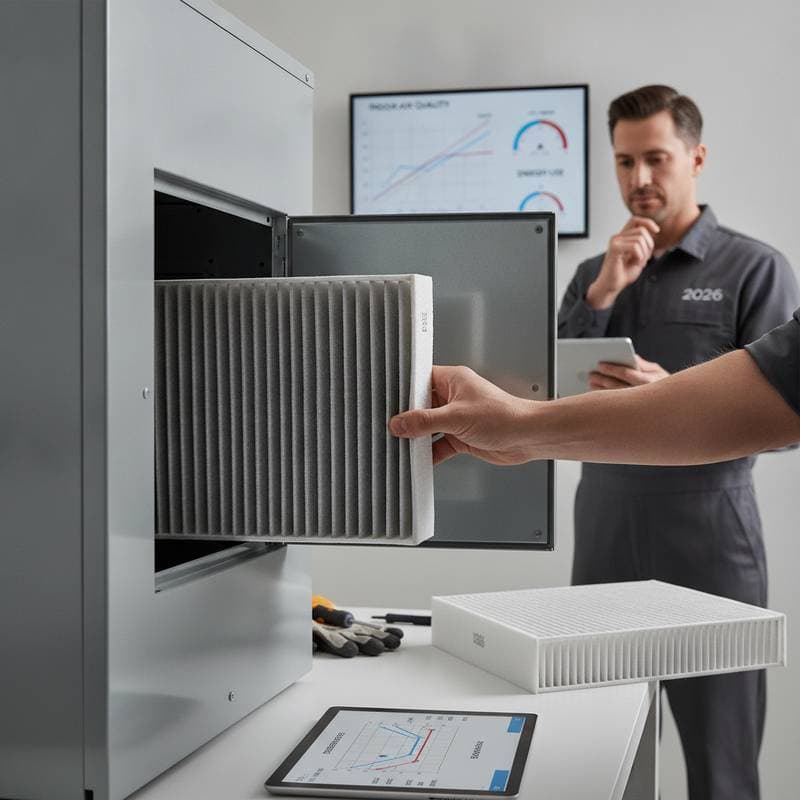
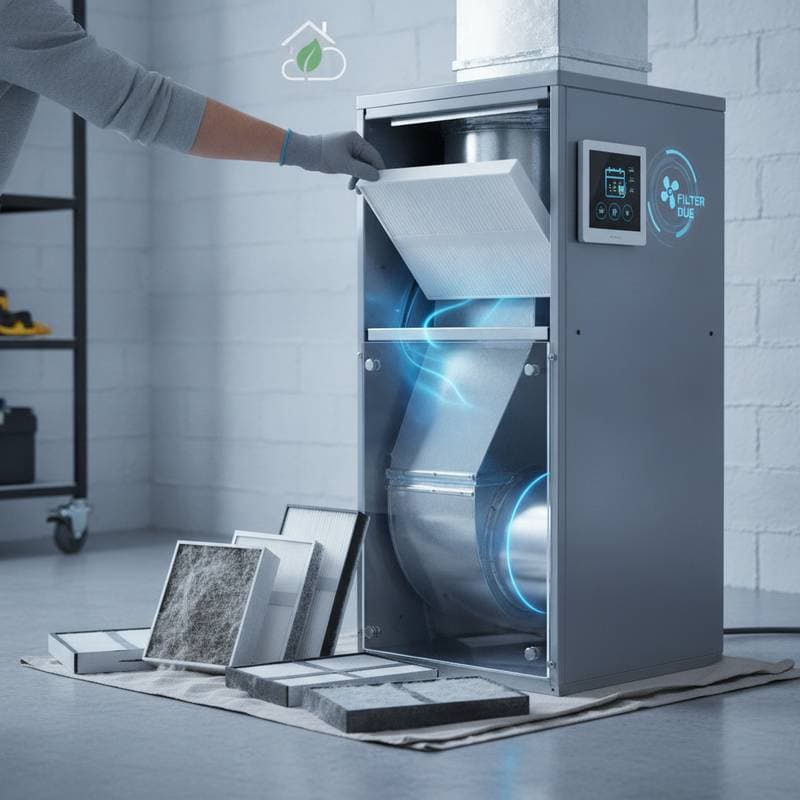
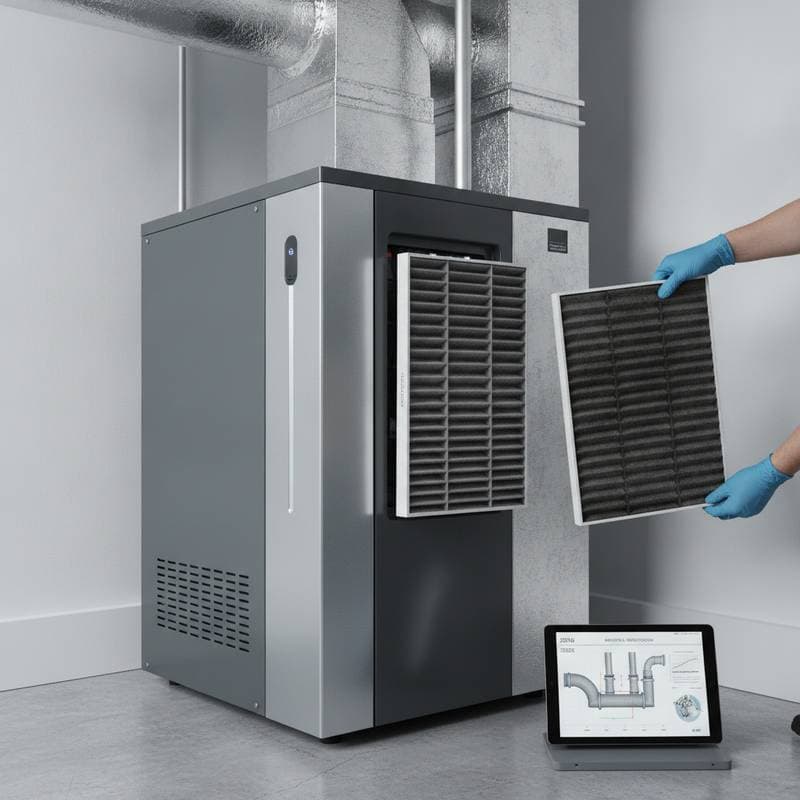
- Evaluate and replace filters; measure duct airflow for balance.
- Assess refrigerant levels and pressures for optimal charge.
- Calibrate thermostats to ensure precise temperature control.
- Flush drain lines and condensate pans to avert leaks and mold.
- Test the full system cycle to confirm operational integrity.
Selecting a Qualified HVAC Provider
Choose providers with EPA Section 608 certification and NATE credentials, which confirm proficiency in refrigerant management and diagnostics. Review client feedback and verify insurance coverage to mitigate risks.
Demand upfront written estimates that detail services and costs. Such transparency signals a commitment to quality and accountability.
Eco-Friendly and Tech-Integrated Maintenance
Incorporate sustainable practices like low-impact refrigerants and efficient filters to lessen environmental effects. Green packages utilize non-toxic cleaners and perform energy analyses.
Integrate smart thermostats for real-time monitoring and alerts. These devices optimize usage, maintain comfort, and reduce waste.
Steps to Prepare for Your Tune-Up
Facilitate the process by clearing outdoor unit surroundings of plants and debris. Swap out soiled filters and provide clear paths to indoor components like the air handler and thermostat.
Build Lasting System Reliability
Integrate tune-ups into your annual routine to stabilize energy costs and performance. A prepared AC delivers consistent cooling, superior air quality, and uninterrupted comfort through the hottest months.