Adapting Your HVAC Filter to Each Season Saves Energy
Seasonal changes bring unique challenges to your home's heating, ventilation, and air conditioning system. Pollen in spring, dust in summer, leaves in autumn, and indoor pollutants in winter all impact filter performance. Proper adaptation of your HVAC filter ensures optimal airflow, reduces energy use, and maintains air quality throughout the year.
Seasonal Impacts on HVAC Filters
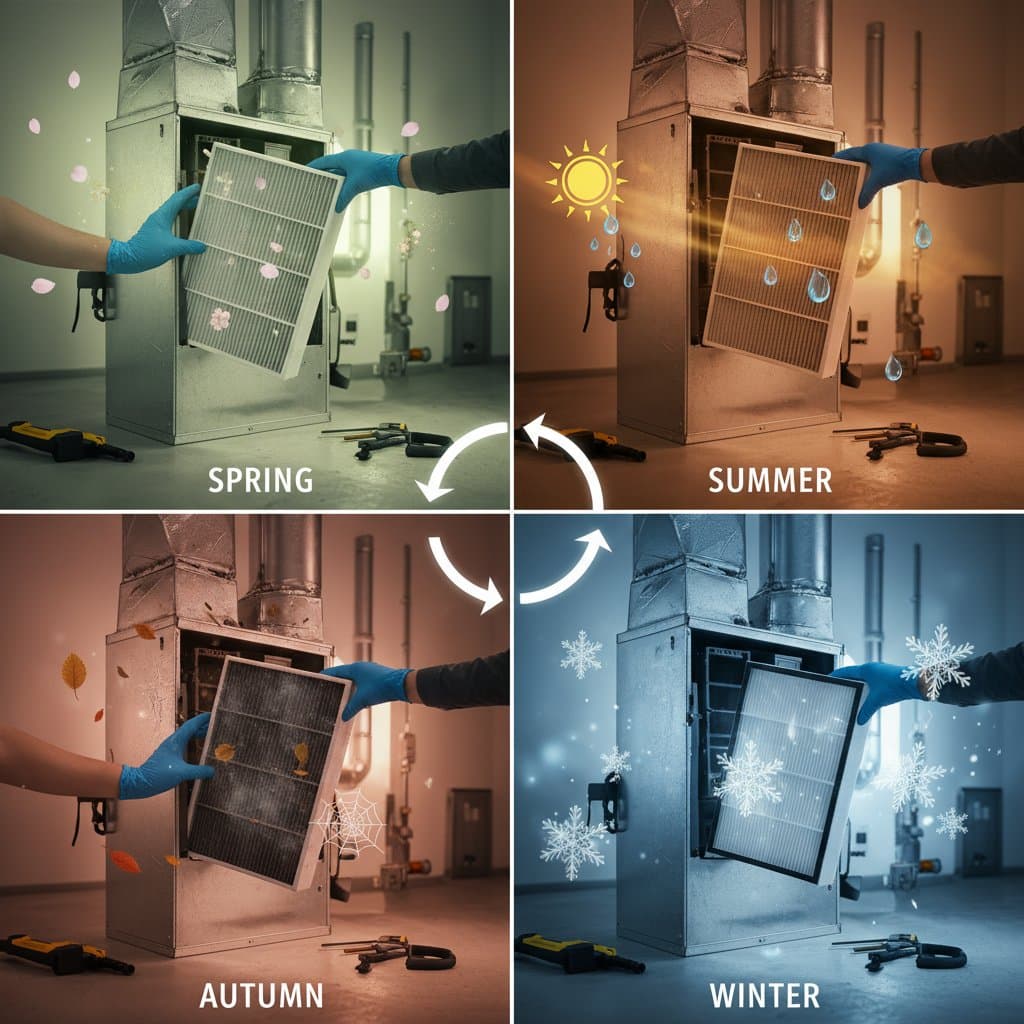
Each season introduces specific airborne particles that affect your HVAC system. Understanding these variations helps you select the appropriate filter and replacement schedule.
- Spring: Pollen counts rise sharply, along with mold spores and outdoor dust. These allergens accumulate quickly on filters, potentially reducing efficiency and triggering allergies.
- Summer: Air conditioning operates frequently, pulling in dust, pet hair, and humidity-related particles. Clean filters prevent strain on the compressor and maintain cool air distribution.
- Autumn: Decomposing leaves, construction dust, and initial heating cycles introduce debris. Filters capture these to avoid blockages during the transition to cooler weather.
- Winter: With windows sealed, indoor dust, smoke, and skin particles build up. Continuous heating demands filters that handle fine particulates without impeding warm air flow.
Failure to address these seasonal differences leads to decreased system performance, higher utility bills, and poorer indoor air. Proactive filter management keeps your HVAC unit running efficiently.
Types of Filters and Their Seasonal Suitability
Filters vary in material and efficiency, making some better suited to specific seasons. Choose based on particle types and your system's airflow requirements.
- Fiberglass Filters: These basic, disposable options cost little and capture larger particles. Use them in summer for moderate dust when budget matters most.
- Pleated Filters: With folded media for greater surface area, they trap finer dust and pollen effectively. Opt for these in spring or autumn to combat seasonal allergens.
- Electrostatic Filters: These attract particles through static charge and work well year-round. They suit homes with pets or tobacco use, providing consistent performance across seasons.
- HEPA Filters: High-efficiency particulate air filters remove 99.97 percent of particles as small as 0.3 microns. Reserve them for winter or high-allergy periods when indoor air stagnates.
Match the filter to seasonal needs to balance air purification and system strain. Consult your HVAC manual to confirm compatibility.
Seasonal Cost Considerations
Understanding Filter Costs and Frequency
Filter expenses vary by type, dimensions, and how often you replace them. Fiberglass models typically cost under five dollars each, while HEPA versions exceed twenty dollars. Factor in energy savings and reduced repair needs for a complete cost picture.
- Spring and Summer: High particle loads require changes every one to two months to sustain performance.
- Autumn and Winter: Lower outdoor influx allows intervals of two to three months, depending on home occupancy.
| Filter Type | Average Cost | Recommended Seasonal Use | Replacement Frequency |
|---|---|---|---|
| Fiberglass | $3–$5 | Summer | 1–2 months |
| Pleated | $8–$15 | Spring/Autumn | 1–2 months |
| Electrostatic | $10–$20 | Year-round | 2–3 months |
| HEPA | $20–$50 | Winter/Allergy Seasons | 2–3 months |
How Seasonal Maintenance Saves Money
Timely replacements cut energy use by five to fifteen percent, according to efficiency studies. A dirty filter forces the fan to labor, increasing electricity draw and wear on components. Seasonal adjustments yield long-term savings through lower bills and fewer service calls.
DIY vs Professional Filter Maintenance
DIY: Quick and Affordable
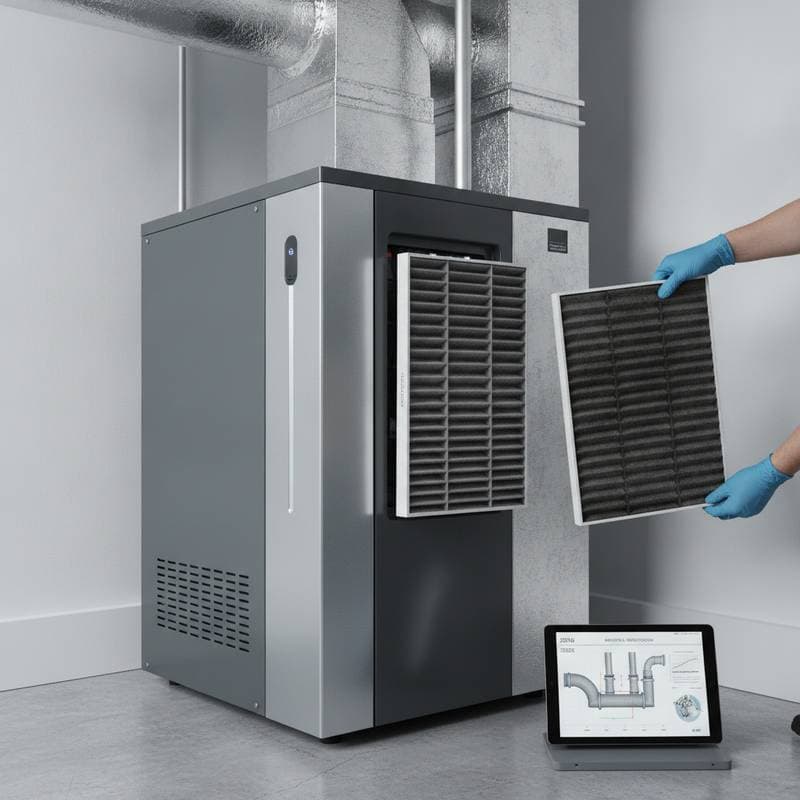
Most filter swaps require only a screwdriver and take five to ten minutes. Locate the filter slot near the return air duct or furnace, slide out the old one, and insert the new with the arrow facing airflow direction.
Pros of DIY:
- Eliminates service fees, saving twenty to fifty dollars per visit.
- Allows replacement on your schedule for immediate results.
- Builds familiarity with your system for ongoing care.
Cons of DIY:
- Risks improper fit, which reduces effectiveness.
- Overlooks related problems, such as duct issues.
- May not address specialized needs like variable air volume systems.
Professional Maintenance: Precision and Assurance
Technicians perform full inspections, including pressure tests and coil cleaning, alongside filter installation. They recommend upgrades based on your home's layout and usage patterns.
Pros of Professional Service:
- Identifies inefficiencies early to prevent breakdowns.
- Ensures optimal filter selection for your equipment.
- Provides warranties on parts and labor.
Cons of Professional Service:
- Involves fees of fifty to one hundred dollars per call.
- Depends on technician availability during peak seasons.
Choosing Between DIY and Professional Help
Standard single-family homes with accessible filters benefit from DIY routines. Complex setups, such as those in older buildings or with smart controls, warrant professional input. Alternate approaches by doing monthly checks yourself and booking pros twice yearly.
Your HVAC Filter Questions, Answered
Industry professionals address frequent concerns to guide your decisions.
How often should I change my HVAC filter?
Replace every one to three months, adjusting for season and lifestyle. High-efficiency options endure longer, but pollen or pets accelerate clogging.
What filter rating should I use?
Select based on the Minimum Efficiency Reporting Value, or MERV. Ratings of eight to twelve suit typical homes, preserving airflow while capturing common pollutants. Higher ratings, like thirteen to sixteen, aid allergy control in spring and fall.
Can I clean and reuse my filter?
Washable electrostatic models permit rinsing and drying for reuse up to six months. Avoid cleaning disposables, as it compromises their media and filtration.
How can I tell if my filter is dirty?
Examine against light; minimal passage indicates replacement. Monitor for weaker vents or uneven temperatures as additional cues.
Do seasonal allergies affect filter choice?
Pollen seasons call for pleated or HEPA filters to trap sub-micron particles, easing symptoms like sneezing and congestion.
Should I change filters more often if I have pets?
Pet hair and dander demand monthly inspections, particularly during shedding periods in spring and fall.
Does weather affect how often filters need changing?
Intense heat or cold boosts runtime, accelerating debris capture. Increase checks during extreme conditions.
Can a dirty filter damage my HVAC system?
Restricted flow overworks the motor, leading to premature failure or coil icing in cooling mode.
Are higher-priced filters always better?
Efficiency depends on system compatibility; overly dense filters cause pressure drops. Prioritize MERV ratings aligned with manufacturer guidelines.
How do I dispose of used filters?
Bag securely to contain dust, then discard in regular trash. Avoid incineration due to plastic components.
Is there a difference between furnace and AC filters?
Central systems use identical filters for both modes. Verify specifics in your unit's documentation.
How to Decide: Your Step-by-Step Guide
Step 1: Assess Your Home’s Air Quality
Identify factors like pet presence, smoking, or occupant sensitivities. These influence filtration intensity and change intervals.
Step 2: Evaluate Your System
Review the manual for size, MERV limits, and access points. Test current airflow to gauge baseline performance.
Step 3: Calculate True Costs
Tally filter prices against projected energy reductions. Tools like online calculators estimate savings from proper maintenance.
Step 4: Consider Seasonal Demands
Anticipate peaks with a calendar:
- Install fresh filters in early spring ahead of blooms.
- Refresh mid-summer for peak cooling.
- Update early autumn before furnace startup.
- Inspect mid-winter for heater-induced buildup.
Step 5: Make the Final Choice
Opt for DIY if confident, or professionals for assurance. Establish routines to sustain benefits year-round.
Preparing for Your Seasonal HVAC Filter Routine
Research and Planning
Determine exact size and type via your manual or supplier. Schedule reminders three weeks before seasonal shifts.
Gathering Tools and Supplies
Stock spares, disposable gloves, and a shop vacuum. These facilitate safe, efficient swaps.
Site Preparation
Power down the unit at the thermostat and breaker. Vacuum the compartment and note any excessive dirt signaling broader concerns.
Budgeting for the Year
Allocate fifty to two hundred dollars annually, scaling with filter quality. Track expenses to refine future plans.
Sustaining Efficiency Through Seasonal Care
Adapting filters to seasonal realities extends equipment life and enhances daily comfort. Consistent attention yields fresher air, stable temperatures, and reduced expenses, transforming routine maintenance into lasting home value.