Fall Chimney Checks That Prevent Costly Winter Fires
Fireplaces provide essential warmth during colder months, yet they pose significant risks without proper upkeep. Many homeowners overlook chimney maintenance until problems arise, but addressing issues in the fall ensures safety and efficiency throughout winter. This guide outlines key inspection steps, explains the importance of professional involvement, and offers practical advice to safeguard your home.
Understanding the Risks of Neglected Chimneys
Creosote accumulation represents the primary hazard in chimneys, forming from the condensation of wood smoke along flue walls. This residue hardens into a flammable substance, and layers exceeding one-eighth of an inch increase ignition risks dramatically. The Chimney Safety Institute of America reports that such buildup contributes to thousands of residential fires annually, often resulting in extensive property damage.
In addition to fire dangers, compromised chimneys compromise indoor air quality by allowing carbon monoxide and smoke to infiltrate living spaces. Inadequate ventilation disrupts proper draft, forcing harmful gases downward rather than upward. Routine checks mitigate these threats, promoting cleaner combustion and reducing health risks for occupants.
Beyond immediate safety, maintenance preserves structural integrity. Water infiltration through cracks can lead to masonry deterioration, while blockages strain heating systems, raising energy costs. Investing time now yields long-term savings and peace of mind.
Comprehensive Fall Inspection Checklist
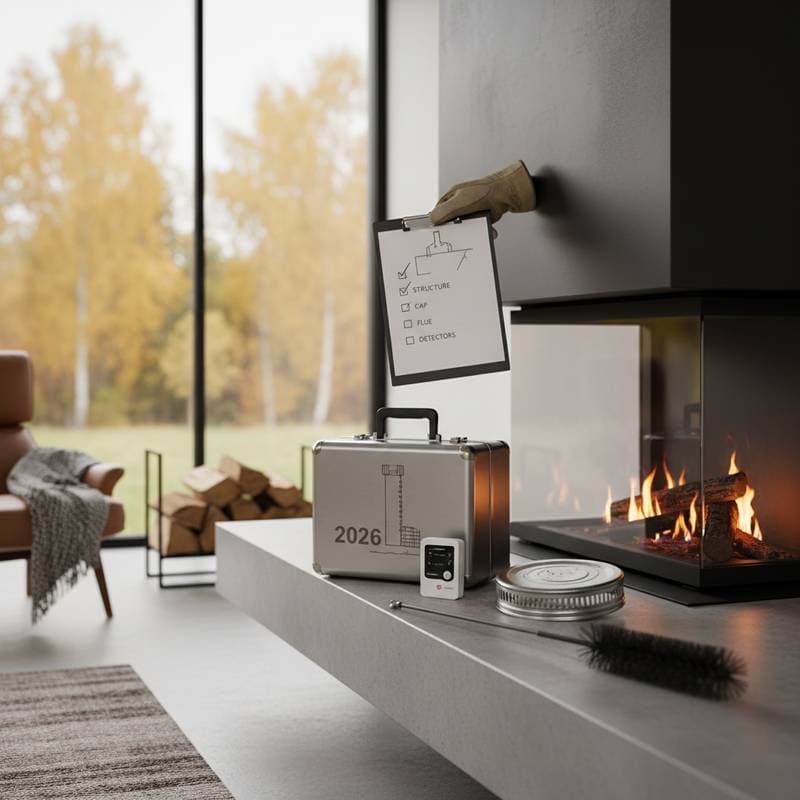
Perform these inspections systematically to identify potential issues early. While some tasks suit DIY efforts, complex evaluations demand expert tools and knowledge. Follow this ordered list for thorough coverage.
-
Examine the Exterior Structure
Inspect the chimney stack from ground level, noting any fissures in bricks, eroded mortar joints, or signs of tilting. Use binoculars for higher sections if needed. Address minor cracks with tuckpointing sealant to prevent moisture entry, which could worsen during freeze-thaw cycles and necessitate costly rebuilds. -
Verify the Chimney Cap and Crown
Climb to the roof or use a ladder to check the metal cap for secure attachment, corrosion, or debris obstruction. The concrete crown surrounding the flue top must remain intact without cracks or spalling. Secure loose components immediately, as a faulty cap invites pests and precipitation, accelerating wear on the entire system. -
Assess the Flue and Liner Condition
Shine a bright flashlight into the flue from the firebox opening to detect soot layers, blockages, or damaged clay tiles. Look for glistening creosote or fallen debris that might restrict airflow. If the interior appears obscured, avoid further probing and arrange for a professional camera inspection to map the full 20 to 40 feet of liner length. -
Inspect the Firebox and Damper Mechanism
Remove accumulated ash from the firebox using a shovel and dustpan, then scrutinize for corrosion, loose bricks, or deformed metal. Operate the damper handle multiple times to confirm smooth movement without sticking. Lubricate hinges if necessary, ensuring the damper seals tightly to contain embers and maintain draft control. -
Test Smoke and Carbon Monoxide Detectors
Position detectors on every level near the fireplace, adhering to manufacturer spacing guidelines. Press test buttons to verify audible alerts and replace batteries annually, regardless of low-battery chirps. Integrate these into your home safety routine, as they detect leaks that visual inspections might miss. -
Evaluate Surrounding Clearances and Vents
Measure distances from the chimney to combustible materials like roofing or siding, ensuring at least two inches of separation. Clear leaves, nests, or branches from the roof base to avoid external fire spread. Confirm that any connected heating appliances, such as furnaces, share compatible venting without cross-contamination risks.
Signs That Demand Professional Intervention
Home inspections reveal surface issues, but internal flaws require certified expertise. Schedule an annual sweep if you burn wood frequently or notice odors, reduced draft, or visible smoke backup. Professionals employ flexible rods with nylon brushes to dislodge creosote, followed by vacuum extraction to capture fine particles.
Seek immediate service for indicators like unusual fireplace noises, excessive soot fallout, or animal intrusions. Certified technicians from organizations like the Chimney Safety Institute of America or National Chimney Sweep Guild conduct level II inspections, using video scopes to diagnose liner integrity and draft performance. Expect costs of $150 to $300 for standard cleanings, with advanced diagnostics adding $100 to $200.
Professionals also recommend fuel choices, such as seasoned hardwoods over softwoods, to minimize creosote formation. They can install spark arrestors or relining systems for older homes, enhancing overall resilience against environmental stresses.
Sustaining Chimney Health Year-Round
Consistent fall preparations extend beyond the season, protecting your home's envelope from water damage and insulating against heat loss. Clean chimneys burn fuel more efficiently, potentially lowering heating bills by 10 to 20 percent through improved airflow. Integrate maintenance into your annual calendar, pairing it with roof and gutter checks for comprehensive home care.
Monitor usage patterns post-inspection; limit fires to two to three hours daily and extinguish completely before leaving the area. Store firewood off the ground in a dry shelter to reduce moisture content below 20 percent, further curbing residue buildup. These habits ensure your fireplace delivers reliable comfort without unexpected interruptions or hazards.
By prioritizing these steps, you transform a potential liability into a dependable asset. Professional and personal efforts combined create a secure foundation for winter enjoyment, avoiding the disruptions of emergencies.