
- Intensity of operation: Units enduring prolonged summer demands experience accelerated deterioration
- Scale of the residence: Expansive properties require greater cooling capacity, intensifying equipment burden
- Ease of access: Systems in confined or elevated positions elevate labor expenses
Early resolution of subtle problems minimizes the likelihood of substantial part malfunctions during peak usage.
Selecting Between DIY and Professional Approaches
Choices between self-managed care and engaging qualified specialists hinge on expertise and precautionary measures.
Merits of DIY Maintenance
- Diminishment of routine service expenditures
- Acquisition of knowledge regarding system mechanics
- Prompt response to minor discrepancies
DIY efforts possess limitations, however. Intricate tasks such as refrigerant replenishment or electrical diagnostics demand specialized equipment and credentials.
Merits of Professional Engagement
- Precise identification of concealed faults prior to escalation
- Assurance against hazards in managing refrigerants and wiring
- Refinement of efficiency through analysis of airflow, pressure differentials, and thermal equilibrium
Although professional fees exceed initial outlays, they forestall extensive repairs that multiply costs severalfold.
Balancing Safety and Effort
Safety remains paramount in AC upkeep. Electrical components and refrigerants pose risks of shock, leaks, or chemical exposure without proper handling. DIY participants must possess adequate knowledge to avoid exacerbating issues. Time investment varies: simple filter changes require minutes, while professional visits span one to two hours. Prioritize certified technicians for intricate work to safeguard both personnel and property.
Essential AC Maintenance Queries Addressed
How frequently should professional AC servicing occur?
Annual professional attention suffices, preferably preceding the onset of warm weather.
Which indicators suggest the system requires inspection?
Observe diminished airflow, atypical sounds, fluid seepage, or uneven temperature regulation.
Does continuous operation during intense heat signify a problem?
Extended cycles prove typical under severe conditions, yet perpetual running may indicate clogged filters or refrigerant shortages.
Does coil contamination elevate energy consumption?
Affirmative. Accumulated dirt impairs thermal exchange, compelling the unit to labor excessively and draw increased power.
Must filters receive more frequent attention in summer?
Indeed, particularly with heavy usage or pet presence. Refresh filters biweekly to preserve optimal circulation.
What consequences arise from neglecting yearly maintenance?
Omission heightens vulnerability to part breakdowns, efficiency declines, and premature unit obsolescence.
Do maintenance agreements justify their expense?
Such plans offer reassurance and expedited support amid high-demand periods.
How does one detect insufficient refrigerant?
Indicators include tepid vent output, frost on coils, or audible hisses. Certified experts alone can confirm and restore levels safely.
Do ceiling fans alleviate AC workload?
Yes. They distribute chilled air uniformly, permitting elevated thermostat adjustments without discomfort.
Is covering the exterior unit advisable during operation?
No, during active seasons; ventilation proves essential. Covers suit only prolonged inactivity.
Step-by-Step Guide to Maintenance Decisions
Step 1: Evaluate Current Conditions
Review the unit's age, past reliability, and efficiency metrics. Struggling performance warrants expert appraisal.
Step 2: Gauge Personal Capabilities
Undertake basic tasks if proficient; delegate advanced diagnostics to licensed professionals.
Step 3: Compute Comprehensive Expenses
Account for immediate fees alongside gains in energy savings, failure prevention, and extended service life.
Step 4: Consider Potential Hazards
Amateur errors risk equipment harm or personal injury. Experts provide insured, trained intervention.
Step 5: Finalize Your Approach
Opt for professional oversight with older or intensively used systems. Blend DIY routines with scheduled expert visits for newer installations to achieve equilibrium.
Steps to Launch Your AC Preparation
- Compile documentation: Consult the equipment guide and record specifications
- Time strategically: Arrange service prior to heat escalation
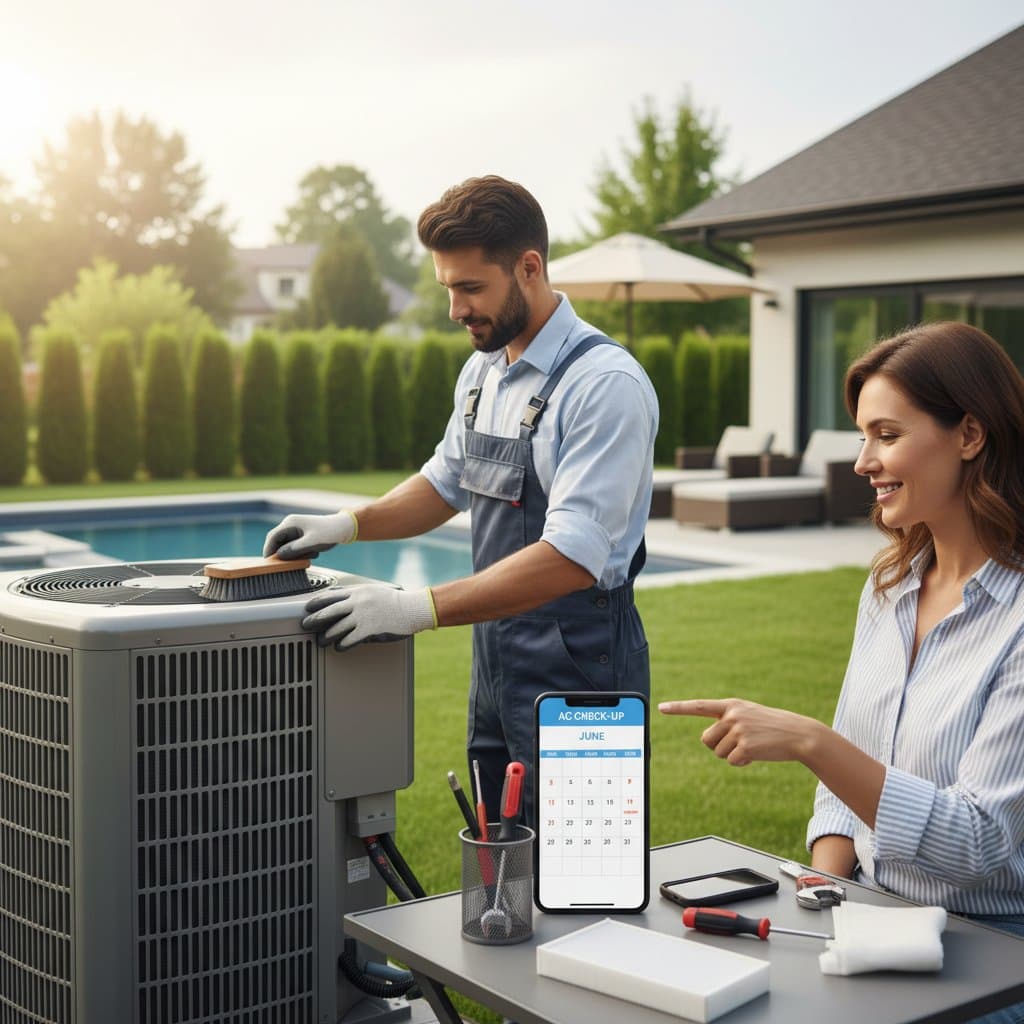
- Prepare the area: Eliminate obstructions and prune foliage near the outdoor component
- Establish financial limits: Encompass supplies for self-care and expert charges
- Monitor outcomes: Post-maintenance, track cooling speed and utility reductions
Sustain Optimal Cooling Performance
Proactive AC care ensures enduring efficiency and comfort. Regular attention averts disruptions, conserves resources, and upholds system integrity against seasonal rigors. Implement these practices to enjoy uninterrupted relief from summer's demands.




