Improve Indoor Air with Monthly HVAC Filter Replacements
Indoor air quality influences health, comfort, and utility expenses. Dust, pet dander, and allergens pass through the HVAC system daily. The most effective method to manage these contaminants involves replacing the HVAC filter on a consistent basis. In typical homes, this requires a monthly replacement. Such a practice maintains fresh air, supports equipment efficiency, and minimizes maintenance expenses.
The Role of the HVAC Filter
The HVAC filter serves as the primary barrier against particles entering the heating and cooling system. It traps dust, hair, pollen, and debris to prevent circulation or buildup in components. A dirty filter restricts airflow, which compels the blower motor to operate with greater effort. This added workload raises energy consumption and accelerates system wear.
A clean filter safeguards elements such as the evaporator coil and fan blades. These parts function optimally when free of debris, ensuring steady performance. HVAC experts frequently note that overlooked filters rank among the leading causes of efficiency loss and expensive fixes. Routine replacements allow the system to operate smoothly and sustain a balanced indoor climate.
Determining Replacement Frequency
A monthly schedule suits most households, though certain factors may necessitate changes. Residences in dusty regions, those with pets, or homes with constant system use experience quicker clogging. Under these circumstances, examine the filter biweekly and replace it upon noticing substantial dust accumulation or darkening. Visible haze in sunlight passing through windows often indicates an overdue filter.
Homes with low dust levels, absent pets, and strong ventilation may extend intervals modestly. However, monthly replacements provide the most dependable approach. Filters cost between five and twenty dollars, varying by dimensions and grade. This minor investment far outweighs the expense of professional interventions due to strain or overheating.
Selecting an Appropriate Filter
Filters vary in design, and the choice impacts air purity and system function. Efficiency is gauged by the Minimum Efficiency Reporting Value, or MERV. Elevated MERV values trap smaller particles, yet they risk impeding airflow in incompatible systems.
For home applications:
- MERV 1-4: Handles dust and lint; appropriate for legacy systems sensitive to resistance.
- MERV 5-8: Captures mold spores and pet dander; offers balance for standard residences.
- MERV 9-12: Filters smoke and bacteria; suits homes with allergy concerns.
- MERV 13+: Reserved for medical settings; demands equipment modifications for airflow.
Review the equipment manual or seek advice from an HVAC specialist to verify compatibility. An overly restrictive filter diminishes performance and hastens motor deterioration.
Steps for Replacing the HVAC Filter
The replacement process requires under ten minutes and basic tools. Follow these steps:
- Power down the system to limit dust dispersal.
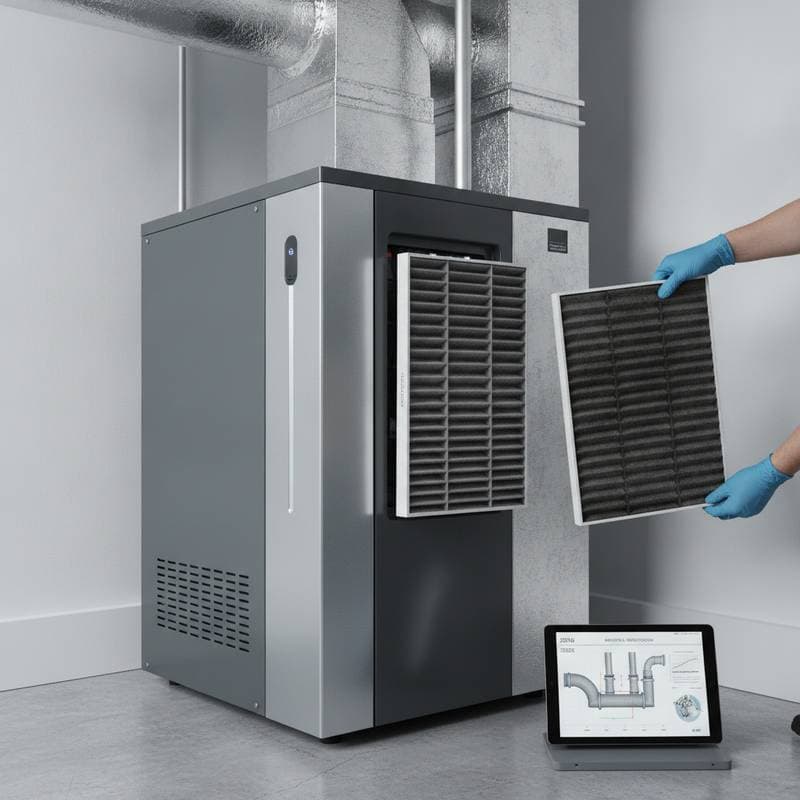
- Identify the filter slot, typically adjacent to the return duct or within the blower housing.
- Note the dimensions on the existing filter, for example, 16x25x1 or 20x30x2, and match them.
- Extract the used filter gently to contain particles.
- Position the new filter according to the airflow direction indicated by frame arrows.
- Secure the slot and reactivate the system.
Seal the discarded filter in a trash bag before disposal. For washable varieties, clean with mild soap and water, rinse thoroughly, and air-dry fully prior to reuse. Avoid installing a moist filter, which fosters mold development.
Consequences of Delayed Replacements
Postponing changes appears minor initially, but issues escalate rapidly. Restricted airflow prolongs run times to achieve set temperatures, elevating energy use by as much as 15 percent, per insights from energy specialists. The blower motor risks overheating, while the evaporator coil may ice over, prompting costly repairs.
Accumulated dust coats duct interiors, fostering allergens and microbes that reenter occupied areas. Allergy sufferers report increased symptoms like sneezing during periods of neglect. Consistent replacements preserve air cleanliness and benefit household health.
Establishing a Replacement Routine
Consistency arises from structured reminders. Numerous owners designate the first of the month for inspections. Some align the task with utility bill due dates or place a marked planner by the thermostat. Digital thermostats and applications deliver timely notifications.
Certain brands incorporate runtime-based timers to predict filter lifespan. Visual checks supersede these estimates. Proceed with replacement if the filter appears soiled, irrespective of the calendar.
Enhancing Filtration Options
Persistent staleness despite clean filters warrants advanced solutions. Pleated or electrostatic filters outperform basic fiberglass in particle capture. Integrate whole-home purifiers into return ducts, employing ionization or UV treatment against tiny pollutants.
Media cabinet filters, featuring durable cartridges lasting three months, present another choice. Although pricier, they lessen replacement needs while elevating performance. Monthly checks complement these for sustained air purity with reduced labor.
Realizing Savings on Costs and Energy
Frequent replacements carry an initial perception of excess, yet efficiency gains compensate. Optimal airflow eases blower operation, curbing electricity demands. Adherents describe reliable climate control and diminished service needs. Annual savings may total hundreds of dollars versus clogged operations.
Resources like Energy Star emphasize that a mere 2 percent efficiency improvement from better flow yields tangible bill reductions. Given the affordability and simplicity of filters, monthly practice yields prompt returns.
Resolving Persistent Airflow Challenges
Regular changes occasionally fail to eliminate issues. Weak flow, odd sounds, or room temperature variances signal potential problems:
- Obstructed vents: Items like furniture block circulation.
- Duct leaks: Seams permit air loss prior to room delivery.
- Ill-fitting filters: Loose placement lets dust evade capture.
- Moisture buildup: Wetness points to drain or coil condensation faults.
Prompt fixes avert escalation and restore equilibrium. Persistent concerns merit a technician's evaluation of blower and ducts.
Sustaining System Longevity Through Routine Care
Filter maintenance ranks as a fundamental step in HVAC preservation. It fosters pure air, trims expenses, and averts unexpected breakdowns. A monthly framework simplifies adherence. Combine with periodic professional servicing for comprehensive protection.
View replacements as essential chores to prolong equipment durability and nurture well-being. Pure air aids restful sleep, curbs irritants, and elevates daily comfort.