The Fall Filter Change Every Homeowner Needs
A furnace or HVAC system operates quietly throughout the season to maintain comfortable and clean air in the home. One simple task that many homeowners overlook can determine the system's performance: the fall filter change. As cooler weather approaches, the furnace activates more frequently, positioning the filter as the primary barrier against dust, allergens, and reduced efficiency. Replacing the filter at the onset of the heating season supports the system's health and enhances indoor air quality.
Why Fall Marks the Ideal Time for a Filter Change
Temperatures decline, prompting the HVAC system to switch from cooling to heating. This shift provides an optimal moment to inspect and replace the filter. Summer air conditioning accumulates fine particles on the filter. By early fall, this accumulation restricts airflow by up to 30 percent, based on findings from the National Air Filtration Association. Limited airflow compels the blower motor to exert extra effort, increasing energy consumption and accelerating wear on the system.
A fresh filter at the start of heating ensures efficient operation from the initial cycle. It also stops the recirculation of dust, pet dander, and pollen gathered during warmer months.
Replacement Frequency: Every One to Three Months
Homeowners typically replace HVAC filters every one to three months, adjusted for filter type and local conditions. Households with pets, allergy sufferers, or high dust levels require monthly replacements. Standard homes with low airborne particles suffice with changes every two to three months.
Incorporate the fall filter change into a seasonal maintenance routine. Combine it with tasks such as gutter clearing and furnace checks. This approach maintains peak system performance ahead of intensive use.
Selecting the Correct Filter Size and Rating
Each HVAC system demands a precise filter size, often indicated on the current filter's frame. Standard residential dimensions include 16x20x1, 20x25x1, and 16x25x4 inches. Match the dimensions exactly, including thickness, to prevent unfiltered air from escaping through gaps.
Filters receive ratings via the Minimum Efficiency Reporting Value system, abbreviated as MERV. Ratings range from 1 to 20, with elevated numbers trapping finer particles. The following table outlines options to guide selection:
| MERV Rating | Particle Size Captured | Typical Use | Notes |
|---|---|---|---|
| 1-4 | Large dust and lint | Basic residential | Least expensive, offers minimal filtration |
| 5-8 | Mold spores, pet dander | Standard residential | Balances cost and effectiveness |
| 9-12 | Fine dust, smoke, bacteria | Homes with allergies | Provides strong efficiency, slight airflow impact |
| 13-16 | Very fine particles | Hospitals or advanced | Verify system compatibility |
A MERV 8 to 11 filter suits most residences, optimizing airflow and particle capture. Ratings above MERV 13 may overburden older furnaces without high-efficiency design.
Step-by-Step Guide to Changing the Furnace Filter
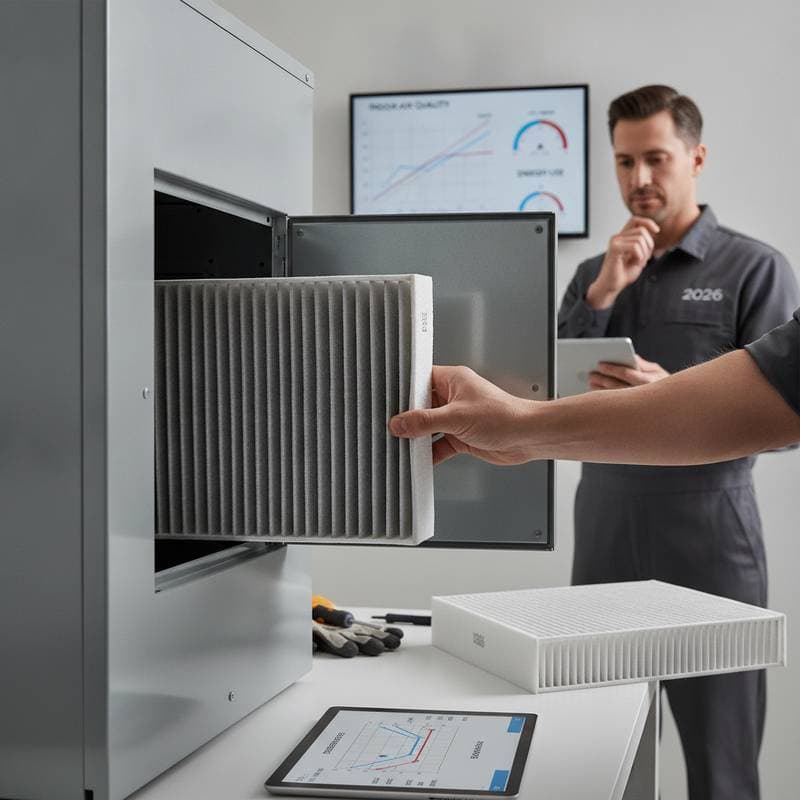
Filter replacement qualifies as a straightforward DIY task, completed in under ten minutes. Gather a tape measure, replacement filter, and allocate a short time slot.
- Power off the system to ensure safety and avoid circulating unfiltered air.
- Identify the filter slot, usually accessible via a panel near the blower or return duct.
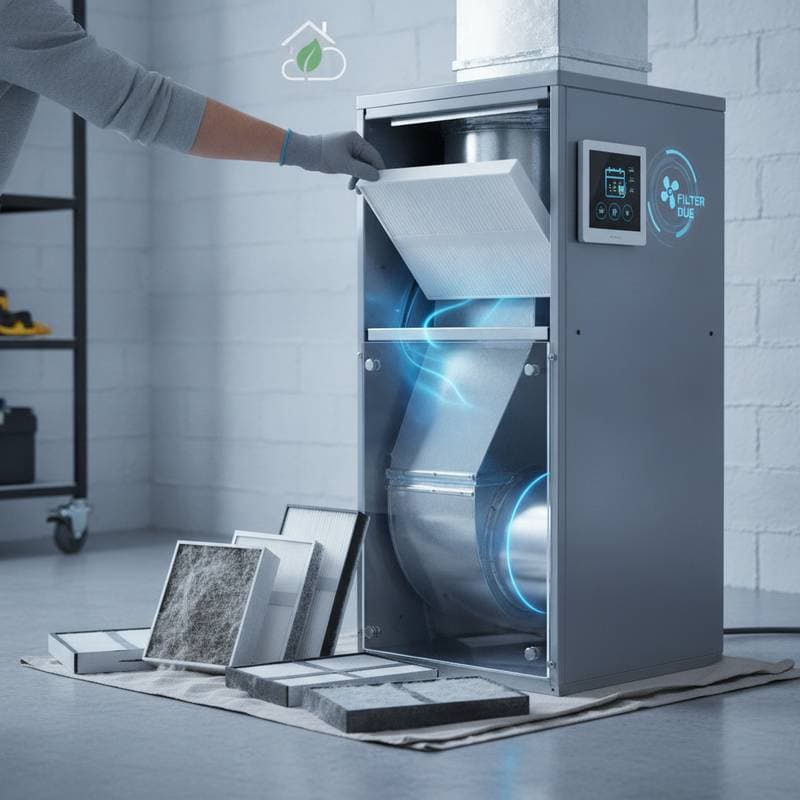
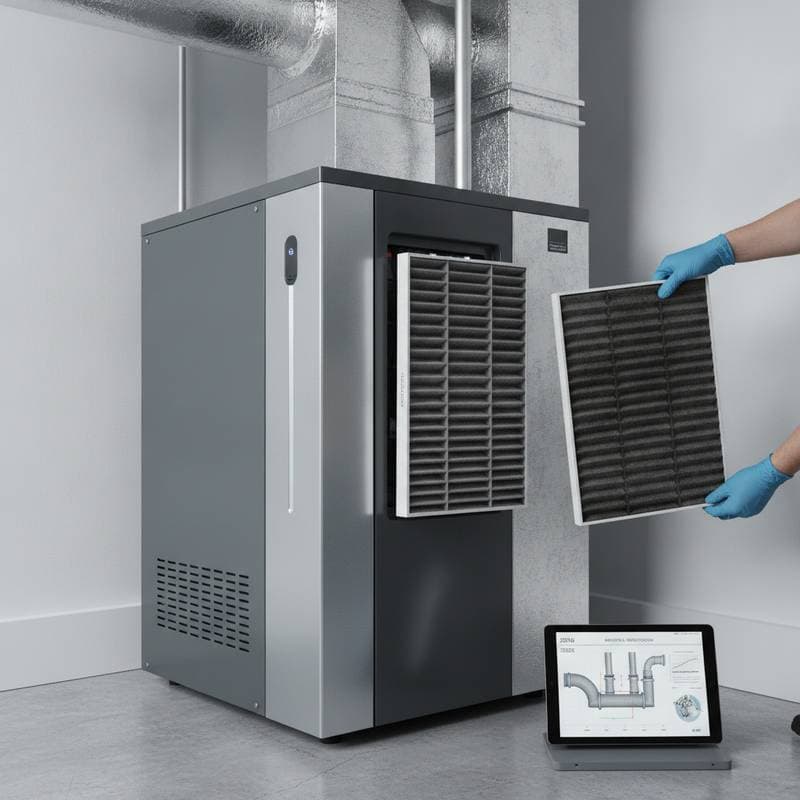
- Extract the old filter and note the airflow arrow's direction for proper new installation.
- Wipe the compartment edges with a vacuum or damp cloth to clear accumulated dust.
- Slide in the new filter securely, avoiding any bends.
- Restore power and record the date on the filter frame for future reference.
For media or electrostatic filters, adhere to the manufacturer's guidelines for cleaning or replacement. Reusable types demand thorough washing and complete drying prior to reuse.
Pitfalls to Avoid During Filter Replacement
Even seasoned homeowners encounter errors that compromise efficiency and air quality. Steer clear of these common issues:
- Selecting an incorrect size: Filters too small or large permit air to circumvent filtration. Verify specifications prior to purchase.
- Reversing installation: Direct airflow arrows toward the blower motor, away from the return grille.
- Delaying replacements: Visible dirt signals existing restrictions; adhere to schedules proactively.
- Opting for excessive MERV ratings: Dense filters hinder airflow and burden the fan motor.
- Overlooking reusable filter care: Incomplete drying fosters mold development.
Indicators for Professional Assistance
Filter changes prove simple, yet persistent weak airflow, odd sounds, or inconsistent heating post-replacement suggest underlying problems. Technicians evaluate duct integrity, motor function, and pressure levels for comprehensive diagnostics.
Engage a furnace maintenance expert for systems with integrated filter housings or uncertain access points. Yearly professional tune-ups encompass filter swaps, blower decontamination, and performance assessments, potentially prolonging equipment durability by years.
Impact of Filter Selection on Indoor Air Quality
Filter selection shapes the air residents inhale. Elevated ratings secure tinier particles, curbing allergens and dust settlement. Research indicates that MERV 11 filters reduce surface dust by up to 40 percent relative to MERV 4 counterparts.
For asthma or allergy concerns, a pleated MERV 11 or 12 filter delivers tangible relief. Pair it with consistent vacuuming, vent maintenance, and humidity regulation for superior results.
Budgeting for Filters and Ongoing Replacements
Prices fluctuate by size and rating:
- Basic fiberglass: 1 to 3 dollars per unit
- Pleated disposable (MERV 8-11): 8 to 20 dollars per unit
- High-efficiency (MERV 13+): 20 to 45 dollars per unit
- Washable electrostatic: 40 to 90 dollars (durable for years)
Acquire multi-packs of pleated filters for cost savings and readiness. Schedule reminders every 60 days; replace if discoloration appears, regardless of timeline.
Addressing Accessibility and Safety Needs
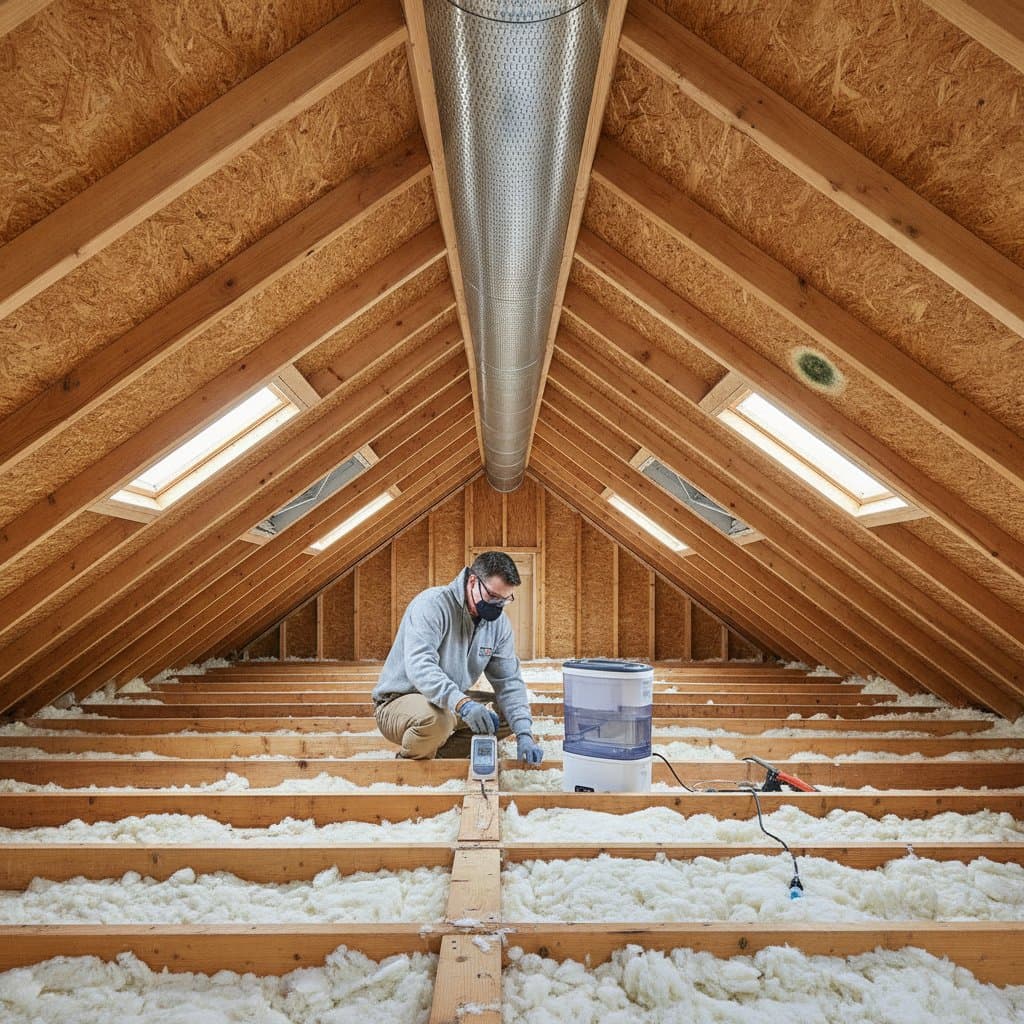
Individuals with mobility limitations may struggle with filter access in elevated or remote locations like attics or basements. Opt for maintenance services incorporating filter services. Certain HVAC providers extend quarterly subscription packages, bundling replacements with inspections.
For pollutant-sensitive homes, select low-VOC and hypoallergenic filters. These minimize emissions and elevate air purity without additional hardware.
Expert Strategies for Optimal Airflow and Efficiency
- Seal ducts thoroughly: Prevent external dust infiltration that accelerates filter clogging.
- Integrate a smart thermostat: Runtime-based alerts signal timely replacements.
- Vacuum vents routinely: Monthly cleaning diminishes debris load on the filter.
- Regulate humidity levels: Target 30 to 50 percent to curb dust and static buildup.
- Store spares properly: Keep filters flat to preserve shape and fit.
Establish Your Seasonal Filter Maintenance Plan
Integrate filter checks into autumn preparations alongside leaf removal and weatherproofing. This proactive step safeguards furnace reliability, lowers utility bills, and fosters a cleaner living environment. Commit to the routine now for seamless winter comfort.