- Flashlight for checking compartment seals
- Tape measure for confirming filter size
- Permanent marker to write the installation date on the frame
- Vacuum or damp cloth to clean around the housing
- Optional disposable gloves to keep hands clean
Having these items ready speeds up the process and reinforces the maintenance habit.
Common Mistakes to Avoid
Even experienced homeowners sometimes overlook small details that affect performance.
- Installing the filter backward: The airflow arrow must always point toward the furnace or blower.
- Forgetting the date: Without marking the change date, tracking the schedule becomes difficult.
- Stacking filters: Doubling up does not improve filtration; it restricts airflow.
- Ignoring gaps: A loose filter allows unfiltered air to bypass it entirely.
- Skipping checks: Even long-life filters require monthly inspections to prevent clogging.
A few seconds of attention can prevent reduced airflow, frozen coils, or motor strain later.
Setting a Seasonal Filter Schedule
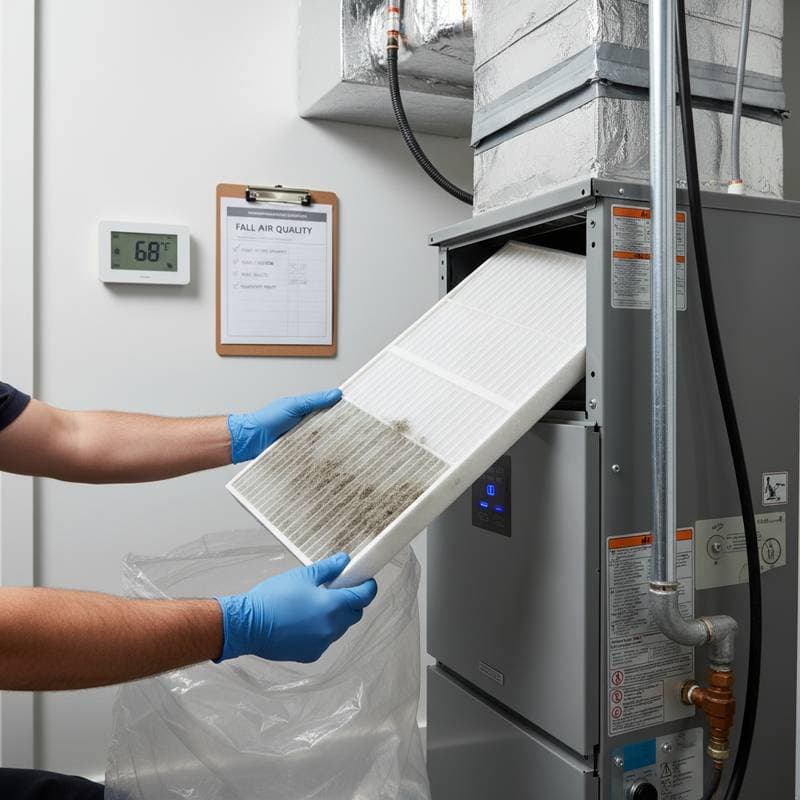
The easiest way to maintain peak air quality involves aligning filter changes with seasonal transitions. For fall, plan the replacement schedule around the shift from cooling to heating. Mark the calendar or set phone reminders for these checkpoints:
- Early fall: Install a fresh filter to handle heating season dust.
- Mid-season check: Inspect for buildup after 4 to 6 weeks.
- Before winter: Replace again if visible discoloration or reduced airflow appears.
If the system uses a smart thermostat, many models include filter change reminders that track run time instead of calendar days, providing a more accurate schedule.
Cost and Quality Comparison
A basic fiberglass filter costs around a few dollars, while pleated filters range from 10 to 40 dollars depending on thickness and MERV rating. High-efficiency or HEPA-style filters can reach 80 dollars but last longer and trap finer particles. Premium filters cost more upfront, yet they often save money over time by improving system efficiency and reducing maintenance needs.
Here is a quick breakdown:
| Filter Type | Cost Range | Replacement Frequency | Estimated Annual Cost |
|---|---|---|---|
| Fiberglass | $2 - $5 | Monthly | $24 - $60 |
| Pleated MERV 8 | $10 - $20 | Every 2 months | $60 - $120 |
| Pleated MERV 11-13 | $20 - $40 | Every 3 months | $80 - $160 |
| Deep Pleated Media | $40 - $80 | Twice per year | $80 - $160 |
Spending a little more on quality filters keeps the ducts cleaner and extends equipment life.
When to Call a Professional
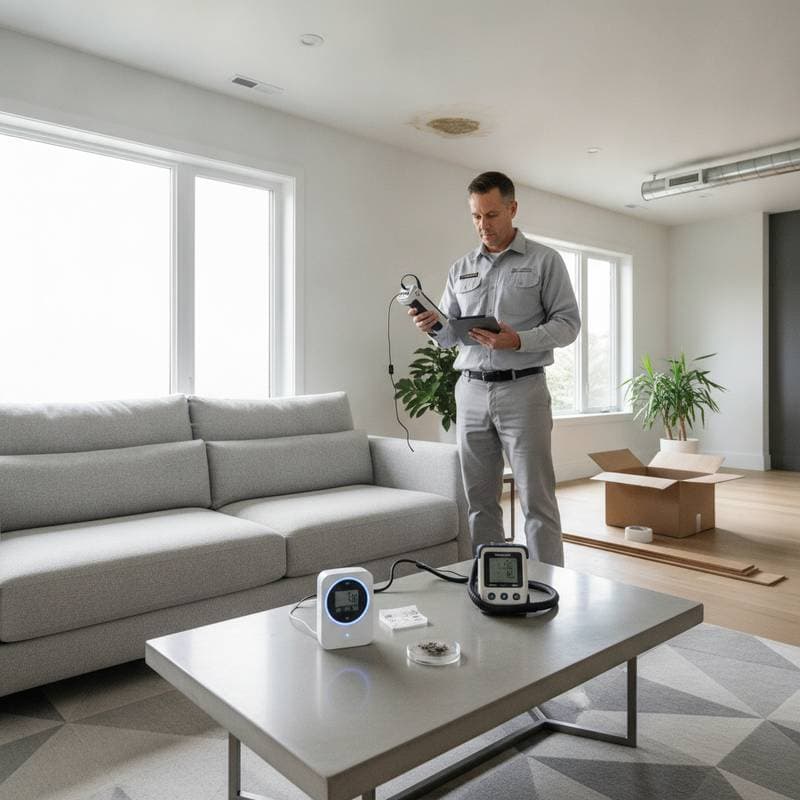
If the system shows inconsistent airflow, hot and cold spots, or persistent odors, a professional inspection may be necessary. A licensed HVAC technician can test static pressure, inspect ductwork for leaks, and assess if the filter choice restricts airflow too much. Technicians can also clean internal components like coils and blower wheels that collect dust even with regular filter changes.
For high-end systems or those with built-in air purifiers, professional servicing once per season ensures efficient operation. Search for a heating and cooling technician near you who offers filter schedule planning or indoor air quality assessments.
Accessibility and Health Considerations
For households with elderly members, children, or individuals with respiratory conditions, filter choice holds special importance. Select MERV 11 or MERV 13 filters that capture tiny allergens and smoke particles. Ensure the filter location remains easy to reach, ideally at chest height in a hallway return vent. If located in an attic or basement, consider hiring a technician to relocate the housing to a more accessible position during the next service.
Keep a backup filter on hand to avoid postponing a change due to lack of supplies. Label them clearly with size and type for quick replacement.
DIY Feasibility and Safety
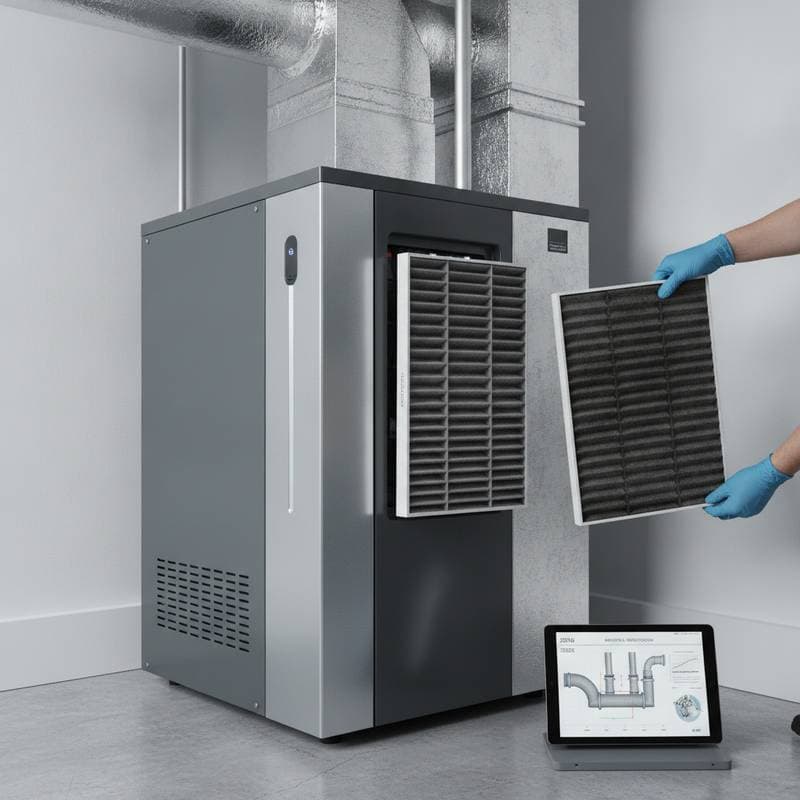
Replacing HVAC filters qualifies as a safe DIY task for most homeowners. It requires no special tools or electrical work. Always shut off the system before opening compartments. Avoid touching exposed wiring or fan blades. If moisture, rust, or mold appears inside the housing, stop and call a professional immediately, as those signs indicate drainage or insulation issues beyond basic maintenance.
Maintaining Consistent Indoor Air Quality
A clean filter forms the foundation, but other factors influence air quality as well. Vacuum carpets weekly using a sealed vacuum bag, and control indoor humidity between 30 and 50 percent to reduce airborne particles. Keep return vents clear of furniture to maintain circulation. For larger homes, installing multiple return vents can balance airflow.
Implement Your Filter Maintenance Plan
Start by assessing the current filter condition and selecting an appropriate replacement based on household needs. Schedule the first change for early fall to align with increased heating use. Regular maintenance not only enhances air quality but also extends HVAC system life and lowers energy costs throughout the season.