Best HVAC Filters for Fall: When to Replace
As cooler weather approaches, homeowners begin relying more on their heating systems. The shift in temperature means the HVAC system will run for longer periods. That increased usage makes fall the ideal time to inspect and replace the air filter. A clean filter with an appropriate rating maintains fresh indoor air, supports efficient furnace operation, and prevents premature wear on system components.
Selecting the correct HVAC filter can seem daunting amid the variety of types, materials, and ratings. This guide explains key considerations, replacement timing, and options that balance air quality with energy efficiency for the season.
Understanding MERV Ratings
Filters receive a grade based on the Minimum Efficiency Reporting Value, or MERV rating. This scale runs from 1 to 20, where higher values signify finer particle capture.
- MERV 1-4: Offer basic protection for window units or older furnaces. These capture large dust particles but little more.
- MERV 5-8: Serve as standard residential filters. They effectively trap dust, lint, and pollen while preserving airflow.
- MERV 9-12: Provide high performance by capturing smaller particles such as mold spores and pet dander.
- MERV 13-16: Function as premium residential or hospital-grade options. These trap bacteria and smoke particles.
- MERV 17-20: Suit cleanrooms or specialized medical settings. Airflow restrictions make them unsuitable for most homes.
For typical households, a MERV 8 to 12 filter strikes the optimal balance between air quality and system efficiency. A rating that exceeds the system's capacity may restrict airflow, increase energy consumption, and cause overheating. Consult the furnace manual prior to choosing a filter above MERV 12.
When to Replace Your HVAC Filter
Replacement intervals depend on home size, occupancy levels, and environmental conditions. The guidelines below provide a foundation, though regular inspections for accumulation remain essential.
- Fiberglass filters: Replace every 30 days.
- Pleated filters: Replace every 60 to 90 days.
- Electrostatic filters: Clean monthly or replace every 90 days.
- HEPA filters: Replace every 6 to 12 months, based on usage.
Homes with pets, smokers, or individuals prone to allergies often require more frequent replacements. Signs of overdue filters include noticeable dust buildup or diminished airflow from vents.
Inspect the filter monthly during heating and cooling seasons. Hold it against a light source; if light fails to pass through the material, replacement becomes necessary.
Step-by-Step Filter Replacement
Replacing an HVAC filter demands few tools and little time.
- Turn off the system. This step avoids circulating dust during the process.
- Locate the filter compartment. Find it near the return air duct or within the furnace cabinet.
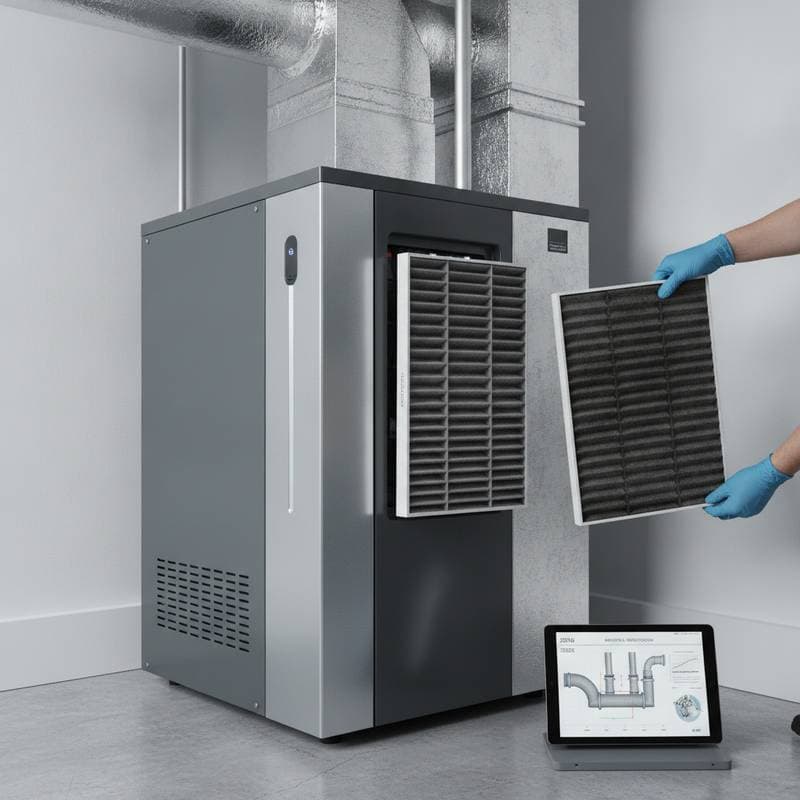
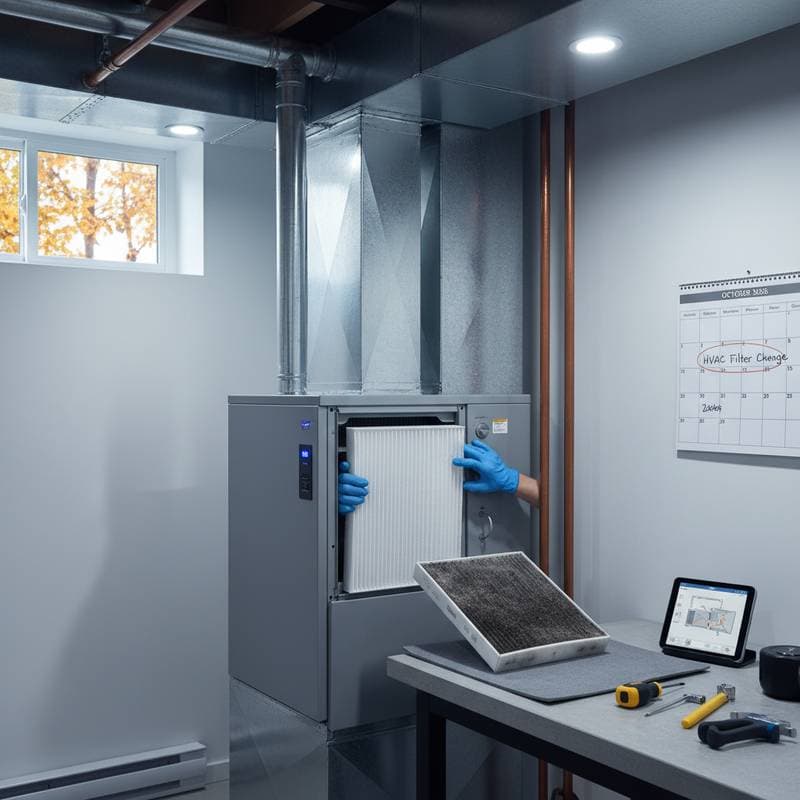
- Remove the old filter. Slide it out gently to minimize dust disturbance.
- Check airflow direction. Arrows on the filter frame show the proper orientation; align them with the system's airflow.
- Insert the new filter. Ensure a secure fit within the slot, avoiding any bending.
- Restore power. Reactivate the system and confirm steady airflow.
Note the installation date on the filter frame with a marker to track future needs.
How Fall Conditions Affect Filter Performance
Autumn introduces specific challenges to indoor air quality. Falling leaves, rising humidity, and initial heating demands elevate airborne particles within the home.
With windows sealed against the chill, natural ventilation declines, confining dust and moisture indoors. Fireplaces and candles introduce soot that filters must address. Pets shed more as temperatures fall.
These elements mark fall as a demanding period for HVAC systems. A pleated or electrostatic filter in the MERV 8 to 12 range sustains clean air without straining the furnace.
DIY vs. Professional Filter Service
Most homeowners manage filter replacement independently. The task demands no advanced skills and completes in under ten minutes. Professional services, however, offer broader benefits.
Technicians perform comprehensive system inspections during seasonal tune-ups. They detect leaks, clean coils, and assess airflow balance. Many providers incorporate filter changes into maintenance plans.
For homes with integrated air purifiers or high-MERV filters, professional installation guarantees precise fitting and sealing. An improper setup permits air to bypass the filter, diminishing its performance.
Troubleshooting Common Issues
Weak Airflow
Weak airflow following a replacement often stems from incorrect installation. Verify that airflow arrows point toward the furnace or blower. If orientation proves correct, the filter's restrictiveness may exceed system tolerances; select a lower MERV rating to improve flow.
Increased Dust
Rapid dust reaccumulation after replacement suggests improper seating or duct gaps. Examine the frame for leaks and confirm a tight fit within the slot.
Unusual Furnace Noise
A whistling noise near the return indicates a loose or ill-fitting filter. Secure it or opt for the precise dimensions to resolve the issue.
Protecting System Longevity Through Consistent Care
A clean HVAC filter represents a straightforward method to safeguard heating and cooling equipment. It enhances air quality, lowers energy demands, and prolongs component life.
Adopt a regular maintenance routine for optimal outcomes. Use phone reminders or subscribe to filter delivery services. Monitor monthly airflow and scan for dust near vents.
Proactive homeowners frequently experience reduced utility costs and fewer service needs. As one technician shared on a home improvement forum, 'A ten-dollar filter can prevent a thousand-dollar repair.'
Timely fall filter changes, paired with the right selection, yield up to 15 percent savings on HVAC operating costs while ensuring reliable performance through winter.