
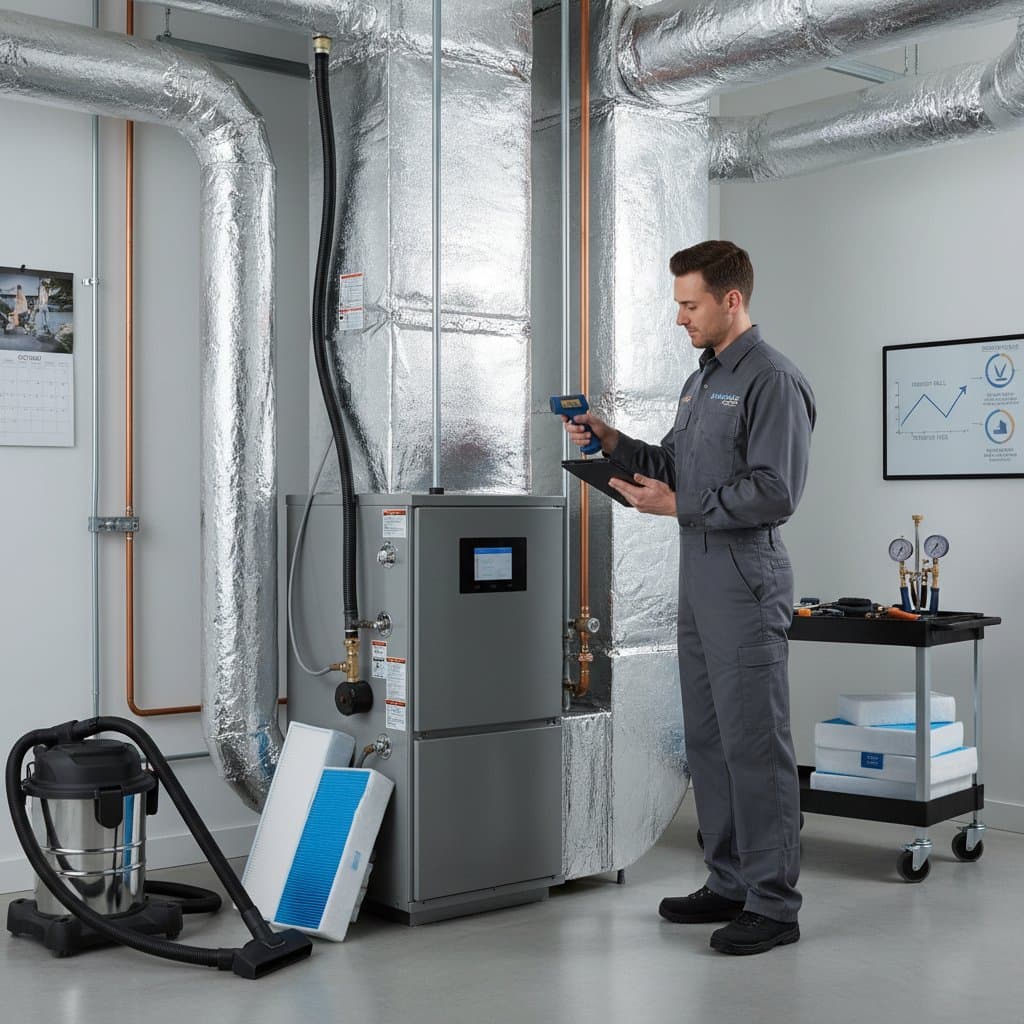
Why Fall HVAC Tune-Ups Prevent Costly Winter Repairs
Homeowners rely on heating systems as temperatures fall to maintain comfort and safety. Many face unexpected failures when systems underperform. A fall HVAC tune-up serves as an essential preventive measure that enhances efficiency, prolongs equipment life, and guarantees reliable operation during peak demand.
This service addresses potential issues before winter arrives. Technicians inspect and optimize components to ensure smooth performance. As a result, homeowners avoid disruptions and reduce long-term expenses.
Understanding HVAC Tune-Up Costs
Routine HVAC maintenance ranks among the most economical strategies to safeguard heating investments. The national average for a seasonal tune-up falls between $100 and $200. This fee covers a thorough inspection and cleaning of the furnace and air handler.
In areas with elevated labor rates or severe climates, costs may reach $250. Smaller communities with reduced overhead often charge nearer to $80. Seasonal variations occur, as providers extend fall discounts to promote scheduling ahead of heating season peaks.
Economic elements like energy prices, supply issues, and technician demand also shape rates. An early tune-up typically prevents breakdowns during high-demand periods, where emergency repairs command premium prices and save hundreds in potential costs.
Common Pricing Models in HVAC Services
HVAC providers employ diverse pricing approaches based on service needs. Hourly rates, generally $70 to $150 per hour, apply to variable tasks. Flat fees for routine visits simplify budgeting for standard maintenance.
Annual maintenance plans, priced at $100 to $300, gain popularity for ongoing support. These include two tune-ups per year, priority appointments, and reductions on parts or repairs. Project-based pricing suits additional tasks like duct cleaning or component swaps.
Bundle options combine furnace and air conditioner services at discounted rates. Homeowners benefit from clarifying inclusions in each model. Basic packages may limit to cleaning, whereas full services encompass calibration, safety evaluations, and performance assessments.
Service Tiers and Their Price Ranges
Providers offer tiers to match different budgets and requirements.
- Basic Tier: Focuses on inspecting key parts, replacing air filters, testing thermostats, and light cleaning. Costs hover around $100.
- Standard Tier: Incorporates extensive cleaning, safety inspections, and efficiency evaluations. Prices range from $150 to $200.
- Premium Tier: Features refrigerant checks, duct reviews, and combustion analysis. Expect $200 to $300.
For aging systems or brand-specific needs, customized services may surpass $300. These involve specialized diagnostics or proprietary adjustments.
Factors That Affect Tune-Up Pricing
The service scope directly impacts costs, with brief checks costing less than comprehensive cleanings and calibrations. System complexity plays a role; advanced high-efficiency or smart units demand expert tools and knowledge.
Completion time spans one to three hours, influenced by accessibility and buildup. Materials like filters, lubricants, or meters add to the bill. Location and provider overhead further adjust final figures.
Homeowners can minimize expenses by selecting appropriate tiers and scheduling promptly. Understanding these variables aids in informed decisions.
Optional Add-On Services and Extra Fees
Technicians frequently suggest enhancements during tune-ups to boost performance and air quality.
Duct cleaning, priced at $300 to $600 based on home size, eliminates dust and allergens that hinder airflow. Smart thermostat installations, at $100 to $200, optimize control and lower heating bills.
Blower motor cleaning or balancing adds $50 to $100 for improved distribution. Expedited services for off-hours requests can double rates, yet remain cheaper than full system failures in winter.
These options address specific concerns and extend benefits beyond basic maintenance.
Benefits of Fall Timing for Maintenance
Fall scheduling offers distinct advantages over other seasons. Technicians enjoy higher availability, allowing flexible appointments without surge pricing. Systems prepare fully for cold snaps, averting surprises.
Inspections cover burners, heat exchangers, safety devices, and airflow paths. Cleaning and adjustments can cut heating costs by up to 15 percent through better efficiency. Tuned units operate quieter and more consistently.
Early detection resolves minor faults affordably, such as belt replacements or sensor cleanings. Industry data indicates that neglected systems incur 40 percent higher repair bills in winter.
Insights from HVAC Professionals
Experts stress preventive care for durability. The Air Conditioning Contractors of America notes that maintained systems endure far longer than ignored ones. Certified technician Laura Benton explains that such maintenance "keeps the system clean, verifies safe operation, and ensures that small issues are corrected before they cause major damage."
Consumer Reports data reveals fewer failures and reduced bills among regular maintainers. This approach shifts maintenance from optional to essential for cost and reliability.
Selecting and Comparing Service Providers
Evaluate providers beyond initial quotes. Seek NATE or EPA certifications to confirm adherence to safety protocols and tool proficiency. Review detailed service lists, ensuring coverage of combustion tests, electrical checks, and airflow metrics.
Inquire about labor warranties or satisfaction assurances. Premium options, though costlier, deliver thorough reports and superior outcomes. Multiple quotes reveal value alignments with needs.
Local reputation and response times also guide choices for dependable service.
Steps to Schedule Your Tune-Up
Begin by checking past service records to note the last inspection date. Reach out to reputable local firms early in fall for optimal slots. Prepare by swapping the air filter and clearing access around the unit and vents.
Request a detailed written report post-service for records. This documentation aids warranty processes or home sales. Enrolling in plans streamlines future care.
Long-Term Gains from Consistent Maintenance
Fall tune-ups safeguard comfort, safety, and financial investments. They minimize winter repair risks, elevate efficiency, and prolong system life. Regular routines yield lower bills and assured warmth, turning proactive steps into seasonal reliability.




