Essential Fall HVAC Tune-Up Tasks to Prevent Costly Repairs
As temperatures drop, the HVAC system emerges as a critical component of home comfort. A thorough fall tune-up ensures the furnace and heating elements operate at peak efficiency, minimizes the risk of sudden failures, and lowers energy consumption. Neglecting this maintenance often results in elevated utility bills, compromised indoor air quality, and substantial repair expenses that proactive care could prevent.
This guide details the core tasks for a fall HVAC tune-up. It distinguishes between homeowner-friendly actions and those requiring expert intervention, while providing budgeting advice. These measures prove practical and cost-effective, supporting reliable warmth through the heating season.
Preparation Steps for Your Fall HVAC Tune-Up
Assemble essential tools and safety gear prior to starting. Items include screwdrivers, a flashlight, a vacuum cleaner, spare air filters, cleaning cloths, and sturdy gloves. Always disconnect power to the HVAC unit before accessing panels or electrical parts. Cease work immediately if gas odors or abnormal sounds occur, and summon a qualified technician without delay.
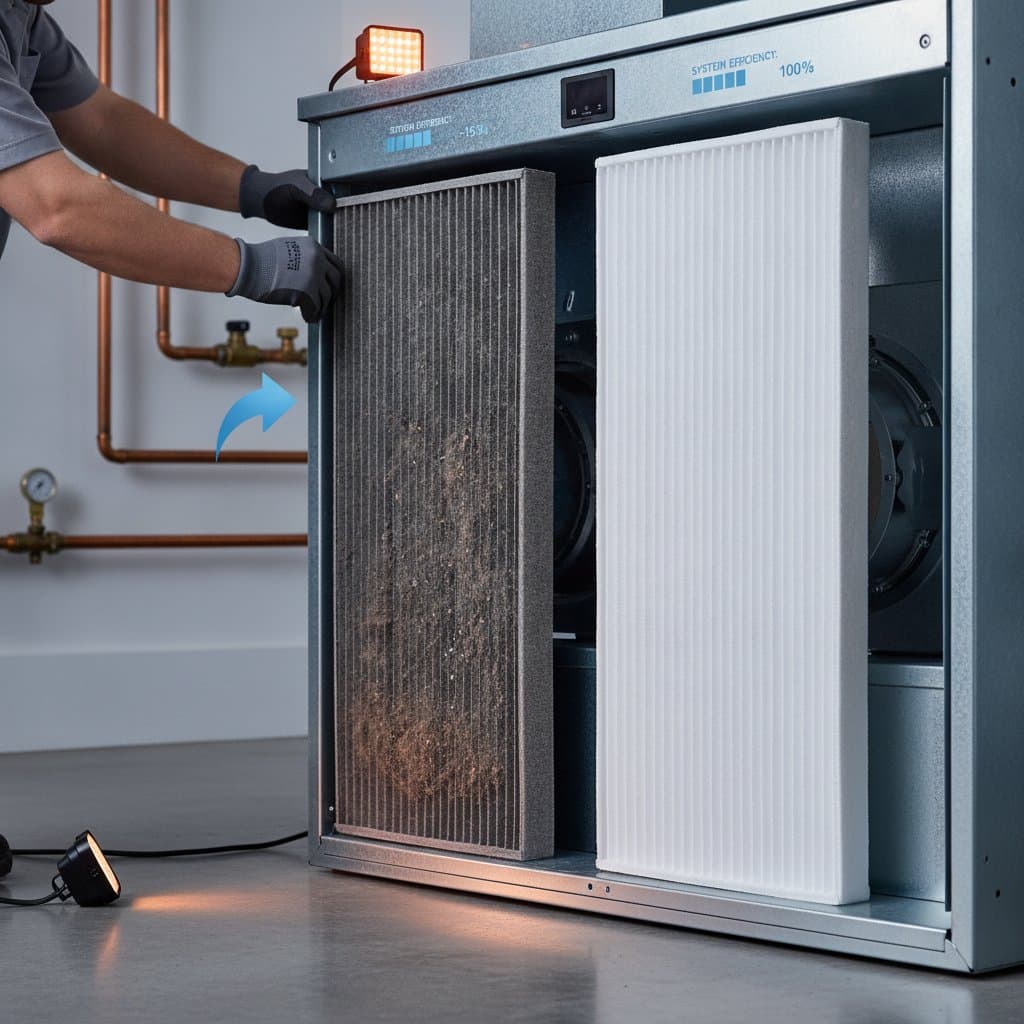
Step 1: Replace or Clean Air Filters
Clogged air filters frequently impair heating effectiveness. Such blockages limit airflow, compelling the furnace to operate extended periods and consume excess energy. Swap out disposable filters every one to three months, based on filter type and system usage. For reusable filters, follow the manufacturer's cleaning guidelines precisely.
Individuals with pets or allergies gain advantages from advanced filters, including HEPA or pleated models. These options trap finer particles, promoting superior air purity, although they demand more regular replacements to sustain benefits.
Step 2: Clear Space Around the Unit
Both the indoor furnace and outdoor condenser require unobstructed areas for optimal airflow. Relocate storage items, furniture, or clutter from within two feet of the indoor unit. Outside, prune vegetation and clear debris from heat pump or condenser coils. This clearance eases equipment stress and elevates operational efficiency.
Step 3: Verify Thermostat Functionality
Activate the thermostat and confirm seamless transitions between heating and cooling settings. If the displayed temperature appears unreliable, cross-check with an independent thermometer. Installing a programmable or smart thermostat can decrease heating expenses by as much as 10 percent annually through automated adjustments during absences or nighttime hours. Consider an upgrade from a basic manual model if applicable, as the investment often yields quick returns.
Tasks Requiring Professional Expertise
Homeowners can manage several maintenance aspects, yet specific inspections demand the skills of a certified HVAC specialist. Key professional duties encompass:
- Examining electrical connections for wear, corrosion, or insecure wiring
- Gauging voltage and amperage levels to verify operational safety
- Evaluating safety mechanisms, including pressure and limit switches
- Scrutinizing the heat exchanger for fractures or corrosion that might release carbon monoxide
- Applying lubricant to mechanical components to reduce wear and operational sounds
- Assessing combustion processes for efficient, safe fuel utilization
Technicians employ precision instruments to diagnose performance and detect minor faults early. A standard fall tune-up visit ranges from $100 to $200, varying by region and system complexity. This fee typically covers filter installation, system adjustments, and comprehensive safety checks.
Enhancing Energy Efficiency in Fall
The tune-up season offers an ideal opportunity to assess and bolster overall home energy performance. Addressing air sealing and insulation lightens the HVAC load, yielding reduced bills and extended system durability.
Sealing Air Leaks
Examine windows, doors, and attic access points for drafts. Apply weatherstripping or caulk to close gaps effectively. Minor leaks allow heated air to escape, extending furnace runtime unnecessarily. According to the Department of Energy, proper sealing can cut heating and cooling costs by up to 15 percent yearly.
Improving Insulation
Evaluate insulation thickness in attics and crawl spaces. Add material if existing layers appear settled or inconsistent. Adequate insulation retains warmth, eliminates cold zones, and allows the HVAC system to function with less effort.
Optimizing Vents and Registers
Adjust vents to distribute heat evenly across rooms. Refrain from complete closure, which elevates duct pressure and burdens the blower. Partial modifications guide airflow to priority areas without compromising system balance.
Planning Your HVAC Maintenance Budget
Designating resources for regular HVAC care mitigates financial strain from unforeseen issues. Categorize expenses into preventive measures, minor fixes, and eventual overhauls.
- Preventive measures: Encompass tune-ups, filter swaps, and thermostat tuning. Annual outlay typically reaches a few hundred dollars, influenced by visit frequency.
- Minor fixes: Involve components such as capacitors, igniters, or sensors, with costs spanning $150 to $500.
- Major replacements: Encompass elements like compressors or blower assemblies, potentially exceeding several thousand dollars. Forward planning curbs emergency expenditures.
Many HVAC providers offer annual plans featuring biannual inspections, repair discounts, and expedited service. Such arrangements frequently offset costs by averting extensive damage.
Strategies for Extending HVAC Longevity
Regular servicing extends HVAC lifespan to 15 to 20 years. Maintain a detailed record of tune-ups, filter changes, and repairs to monitor patterns and support home resale value. Prospective buyers value evidence of diligent system care.
Pro Tips for Effective Maintenance
- Book professional inspections ahead of the initial frost. Demand surges with dropping temperatures, so early reservations secure prompt attention.
- Select premium filters, but adhere to replacement schedules. A dirty high-end filter undermines performance more than a clean standard one.
- Ensure vents remain free of obstructions like carpets or furnishings to preserve airflow.
- Monitor for shifts in system sounds. Emerging hums or rattles often indicate issues resolvable at lower cost if addressed promptly.
- Track monthly energy statements. Abrupt rises may signal underlying inefficiencies requiring attention.