Surprising Gaps in Smart Appliance Home Warranties
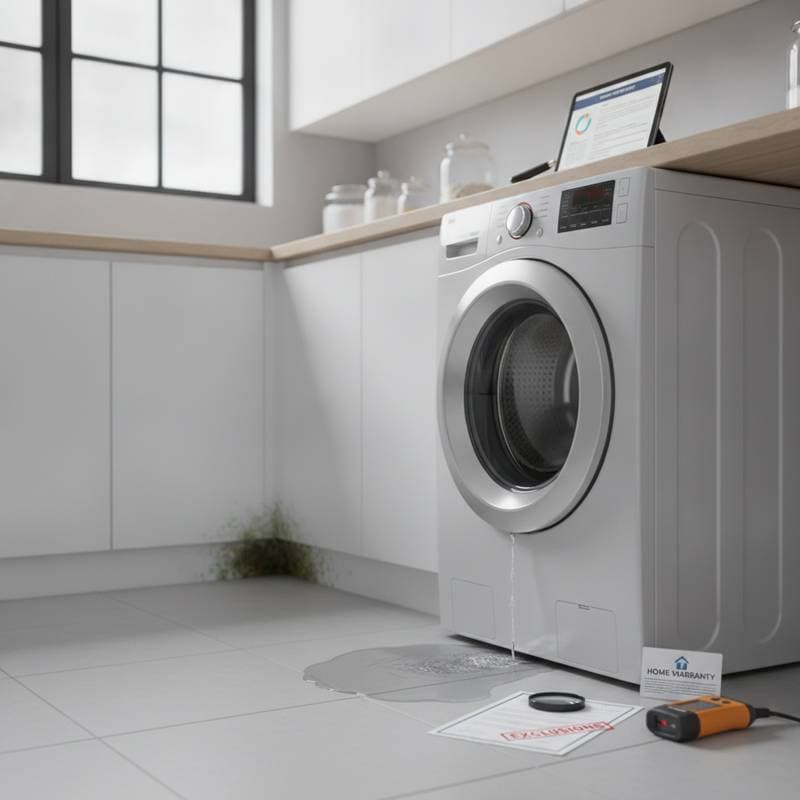
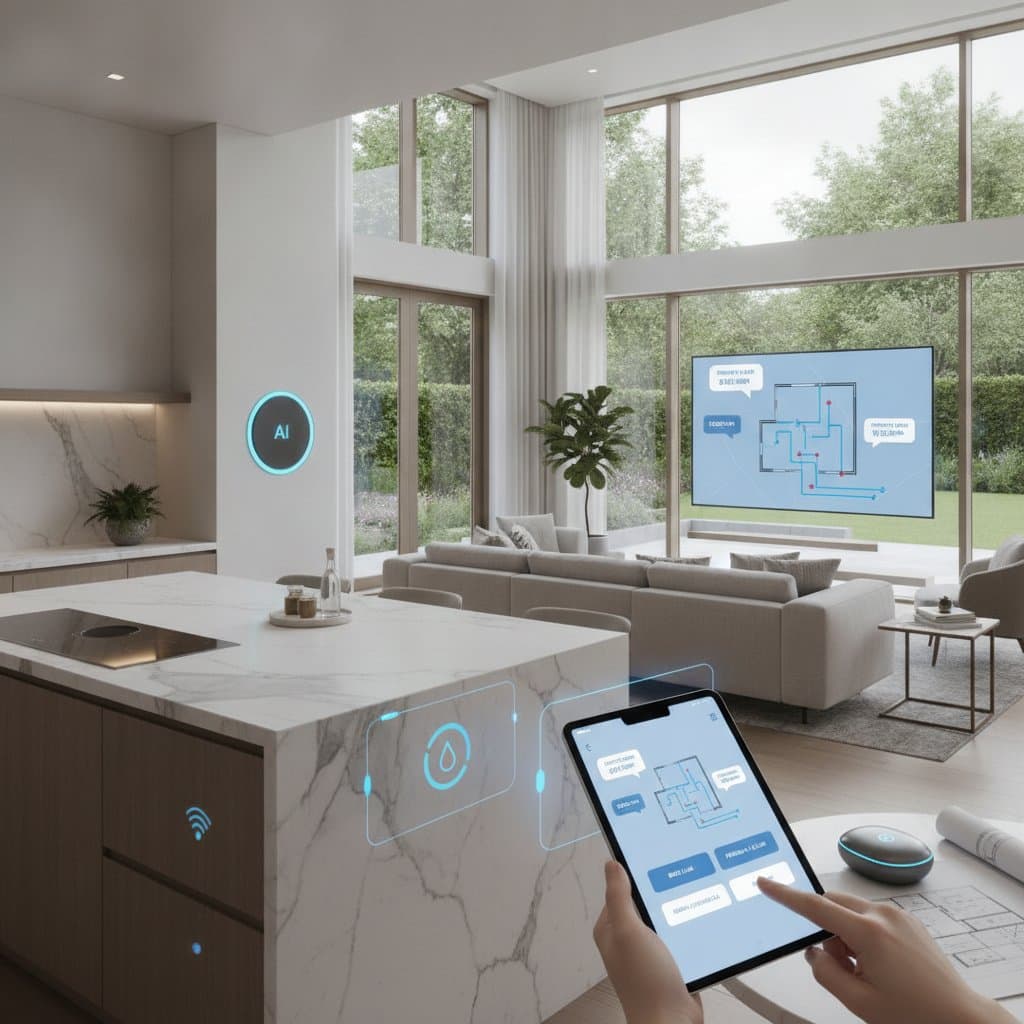
Smart appliances have transformed daily tasks like cooking, cleaning, and home management. Refrigerators that inventory groceries and washing machines that optimize cycles via sensors exemplify this shift toward connected living. However, homeowners frequently encounter limitations in home warranties when these devices malfunction. The fine print often omits coverage for smart components, leading to unexpected repair expenses. Reviewing these exclusions prior to failure helps avoid financial pitfalls.
Why Smart Appliances Complicate Warranty Coverage
Home warranties traditionally focus on mechanical and electrical failures. Smart appliances integrate these elements with software, connectivity features, and automated controls, introducing vulnerabilities that standard policies overlook. Coverage might extend to a compressor or heating element but exclude a Wi-Fi module, display screen, or software glitch.
Service professionals on online forums recount denied claims attributing issues to digital elements. For instance, a smart oven may cease heating following a software update, yet providers classify it as a non-mechanical fault, requiring owners to cover costs themselves.
The Hidden Divide Between Hardware and Software
Warranty documents often differentiate sharply between hardware and software protections. Policies safeguard physical components against defects but bypass problems from code errors, application linkages, or network disruptions. Thus, a smart dishwasher unable to link with its app or home system may remain uncovered, despite operational mechanical parts.
Firmware updates sustain performance and security in these devices. A faulty update that renders equipment inoperable typically qualifies as a software defect under warranty terms, resulting in claim rejections. While some manufacturers provide basic digital assistance, this rarely equates to full repair or replacement guarantees.
Connectivity Failures and Internet Dependencies
Full functionality in smart devices hinges on reliable Wi-Fi or network access. Signal weaknesses can trigger operational errors, halted processes, or complete halts. Providers exclude connectivity-related troubles, viewing internet reliability as beyond their scope, which strands owners amid multiple service entities without resolution.
Home automation specialists report that connectivity and synchronization issues account for more than 40 percent of service requests. Standard contracts limit coverage to mechanical elements, leaving repairs for antennas, Bluetooth units, or software interfaces to cost from modest fees to hundreds of dollars, varying by manufacturer.
The Role of Manufacturer Updates
Periodic updates deliver fixes and enhancements essential for security and interoperability. Yet they carry risks, such as model discontinuation or app termination, which impair core features. Warranties seldom accommodate such scenarios; a refrigerator might preserve cooling but forfeit smart capabilities without recourse.
Repair tutorials online demonstrate how unsupported devices lose server access despite intact hardware. Owners anticipating warranty aid for these losses discover that discontinued connectivity does not merit replacement, undermining the premium paid for advanced functionality.
Data Privacy and Cybersecurity Exclusions
These appliances gather and share data to adapt to user habits, track consumption, and issue alerts. Such operations heighten privacy vulnerabilities. Coverage does not encompass recovery from hacks or breaches, including software restoration or personal data safeguards.
Experts in insurance emphasize that cyber events demand distinct policies, separate from hardware protections. Even if a breach corrupts software, providers deem it a digital matter, not a mechanical one, widening the divide between physical repairs and virtual threats.
Limited Coverage for Smart Components
Outdated warranty phrasing fails to align with smart technology realities. Terms might include motors and wiring but omit sensors, processors, or transmission hardware. A malfunctioning thermostat sensor could be dismissed as a control element rather than electrical, evading coverage.
Online consumer discussions reveal frequent surprises where smart modules are labeled accessories. These parts often match the expense of primary boards, rendering repairs comparable to full replacements in cost.
When Home Warranty Providers Deny Smart Claims
Claim denials frustrate smart appliance users, often stemming from specific rationales:
- User Error or Software Misuse: Faults post-update or from app misconfiguration get attributed to owner actions.
- Connectivity Issues: Network or router problems fall outside scope.
- Unsupported Devices: Integrations with external systems may invalidate portions of protection.
- Component Classification: Sensors, boards, or modules are viewed as non-vital.
Homeowners benefit from scrutinizing contracts and posing targeted inquiries prior to enrollment.
Comparing Manufacturer Warranties and Third-Party Plans
Manufacturers offer brief defect warranties, while third-party services broaden home-wide protections. Definitions of failures vary significantly. Initial manufacturer plans may address software glitches briefly, particularly update-induced ones, unlike third-party options.
One documented instance involved a smart washer erring after a patch; the maker supplied a free board, but the external warranty rejected payment, citing digital origins. Grasping these variances guides choices between original and supplementary plans.
Cost Implications of Coverage Gaps
Premium pricing for smart models translates to elevated repair fees. Sensor replacements run hundreds, and control units surpass basic unit costs. Uncovered elements impose substantial outlays.
Technicians advise reserving 10 percent of purchase costs for potential digital fixes. This fund addresses visits or parts when policies falter.
DIY Fixes and Safe Troubleshooting
Basic issues yield to simple interventions like device restarts, network resets, or app reinstalls. Tech-savvy owners can update software or verify router setups safely. Internal modifications risk warranty invalidation.
Consult manufacturer resources for validated procedures, including video instructions for feature restoration or resets. Persistent problems warrant expert intervention to preserve coverage.
When to Call a Professional
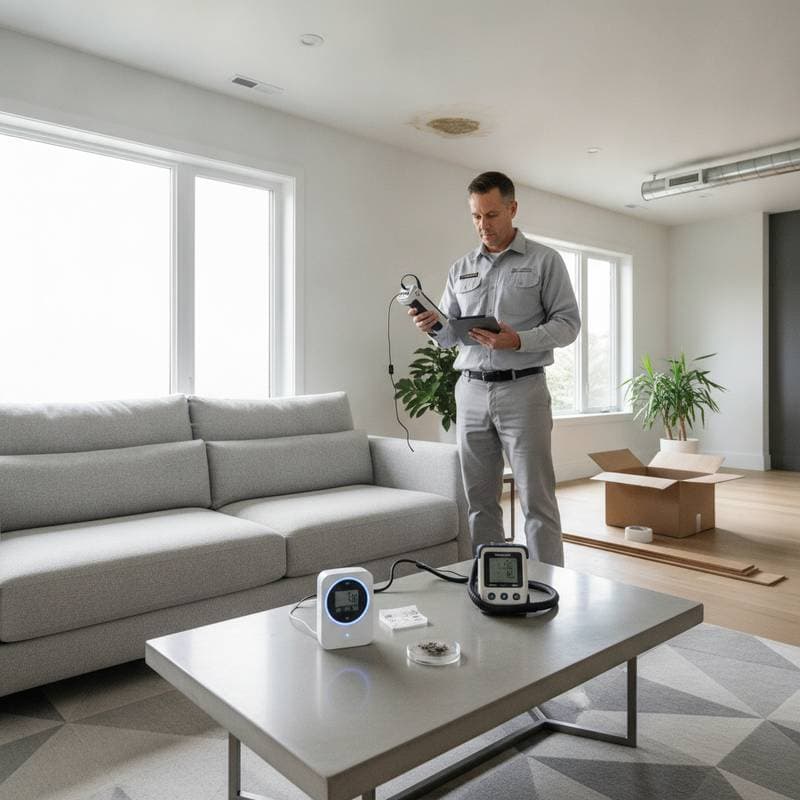
Intricate faults such as sensor adjustments, board malfunctions, or ongoing network errors demand specialists. Diagnostic equipment exclusive to certified technicians pinpoints hardware versus software causes, aiding coverage assessments.
Certain providers mandate professional evaluations for approvals. Retain all documentation, including reports and correspondence, to substantiate claims.
Protecting Your Smart Investment
Homeowners can bridge gaps through deliberate actions:
- Examine terms pre-purchase, targeting software, network, and digital omissions.
- Enroll devices with makers for update access and support extensions.
- Ensure robust networks via dedicated channels or enhanced routers.
- Log updates to demonstrate proper upkeep in disputes.
- Explore specialized insurers offering combined mechanical-digital safeguards.
Growing Industry Response
Providers increasingly incorporate smart protections for sensors, boards, and links, alongside optional cloud extensions. These enhancements incur fees, with availability varying by brand.
Analysts foresee warranties aligning with tech advances. For now, users must manage a system favoring mechanics over digits.
Securing Long-Term Appliance Reliability
Connected devices enhance efficiency yet introduce warranty hurdles. Distinguishing physical from digital coverages enables strategic repair planning.
Prior to acquisition, evaluate protections directly, querying app, update, and module specifics. Informed awareness fortifies investments against exclusions.