Understanding Home Warranties for Smart Appliances
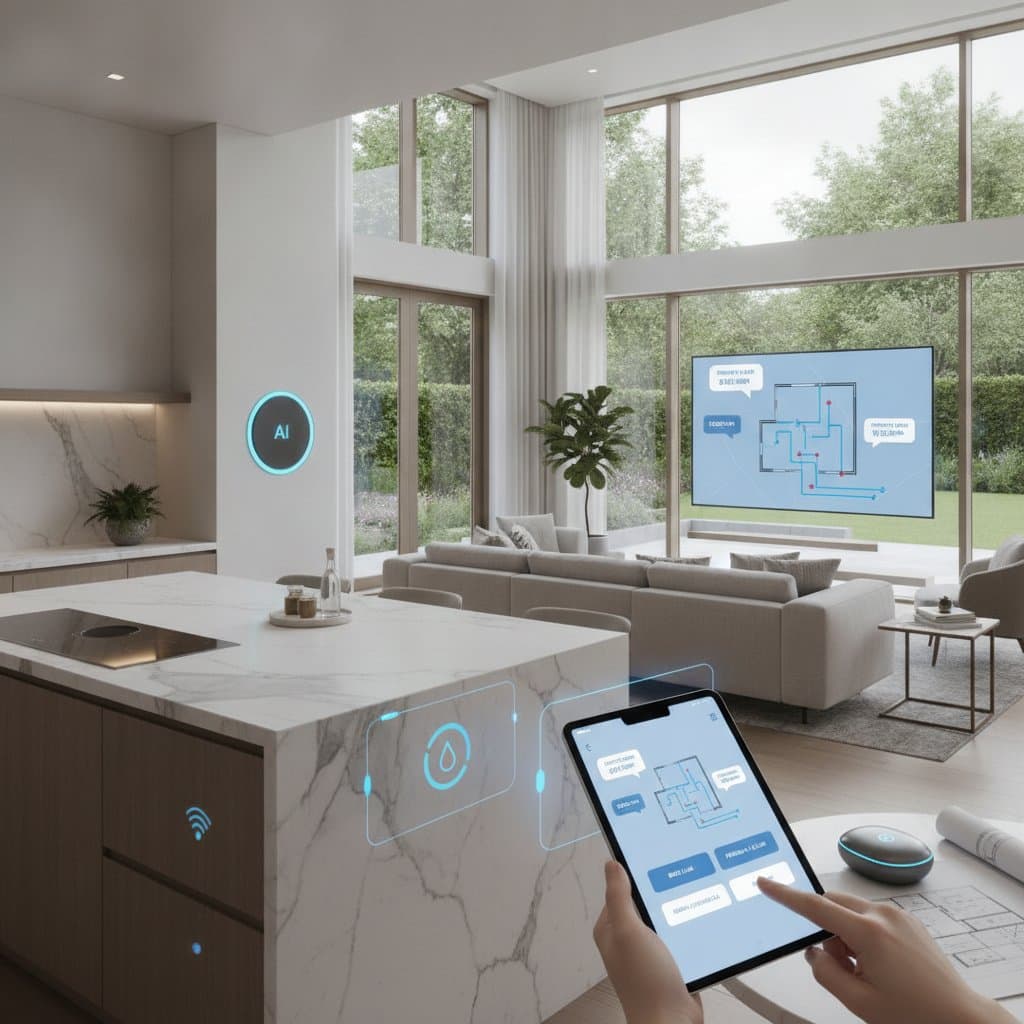
Smart appliances integrate seamlessly into modern homes, providing remote control, energy savings, and advanced features like app notifications. Devices such as smart refrigerators and washers combine traditional mechanics with digital connectivity, which introduces unique repair challenges. Home warranties serve as a vital layer of protection, addressing both hardware breakdowns and tech-specific issues to minimize unexpected expenses.
Coverage typically extends to essential components, but details vary by provider. Homeowners benefit from plans that specify inclusions for Internet of Things elements, ensuring comprehensive support for these evolving systems.
Breaking Down Home Warranty Costs
National Averages and Key Fees
Home warranties covering smart appliances generally cost between $40 and $70 per month, based on the plan's scope and the provider's terms. Providers often add a service fee of $75 to $125 per technician visit, which acts as a deductible for each claim. Higher rates apply to plans emphasizing connected devices, reflecting the expertise required for IoT diagnostics and repairs.
How Location Affects Pricing
Costs fluctuate by geographic area due to differences in labor and demand. Urban centers command higher premiums from elevated technician rates and denser service networks. Rural or inland regions may offer lower prices but sometimes limit options for specialists in smart tech maintenance.
Coastal zones face additional uplifts from environmental factors like moisture, which accelerate wear on electronics.
Seasonal and Economic Influences
Providers may raise rates during peak seasons, such as summer, when appliances endure heavier loads from air conditioning and cooling needs. Off-peak periods, like winter, often feature discounts to attract renewals amid reduced claim volumes.
Broader economic pressures, including inflation and parts shortages, drive up premiums. For instance, volatile prices for semiconductors directly impact coverage for control boards and sensors in smart units.
Exploring Pricing Models
Flat Rates Compared to Hourly Options
Most warranties use a fixed monthly or annual fee for predictability, paired with per-visit service charges. This structure simplifies financial planning for ongoing protection.
Independent providers might bill hourly for intricate smart repairs, particularly when advanced tools or software are involved, leading to variable expenses.
Coverage by Individual Appliance
Targeted plans allow selection of specific items, like a single smart oven, which suits homes with limited connected devices. Such options often prove economical, avoiding unnecessary fees for unused coverage.
Benefits of Bundled Packages
Combining categories, such as kitchen and laundry appliances, reduces overall costs; a bundle might total $60 monthly versus $40 for isolated protection. These packages streamline management while extending safeguards across multiple systems.
Subscription Plans Versus Extended Agreements
Ongoing subscriptions provide continuous coverage, ideal for long-term ownership. Manufacturer extended warranties, by contrast, offer fixed-term protection that includes software enhancements, crucial for maintaining app compatibility.
Service Tiers and Their Costs
Basic Coverage Essentials
Entry-level plans, priced at $35 to $50 monthly, focus on core mechanical and electrical failures, often omitting advanced smart features. They suit basic needs without the expense of tech-specific inclusions.
Standard Plan Details
Mid-tier options, ranging from $55 to $75 per month, blend traditional repairs with partial smart support, such as control board fixes in dishwashers. Limitations on software persist, requiring careful review.
Premium Comprehensive Protection
Top plans, at $80 to $120 monthly, encompass full smart coverage, including connectivity diagnostics and sensor swaps. They address network glitches, ensuring reliable operation within home ecosystems.
Customized High-End Options
Tailored warranties for luxury items, exceeding $150 monthly, incorporate rapid response and expert support. These cater to integrated systems like smart climate controls, prioritizing minimal downtime.
Factors Shaping Warranty Prices
Extent of Appliance Coverage
Pricing scales with the number of devices protected; comprehensive policies for entire homes exceed those for select items. Multi-device discounts encourage broader enrollment.
Technical Demands of Repairs
Integrated tech demands hybrid skills, elevating labor costs for tasks like sensor calibration. Providers pass these expenses to premiums to maintain service quality.
Duration and Materials Involved
Extended repair times for firmware updates contribute to higher rates, as do premium parts like communication modules. Warranties factor in these elements for accurate pricing.
Optional Add-Ons and Extra Fees
Integration for Smart Hubs
Add-ons for central hubs cost $10 to $20 monthly, covering hardware and linkage issues across devices. They enhance whole-home connectivity reliability.
Security and Software Enhancements
Protection against cyber threats and updates runs $5 to $15 per month, safeguarding against vulnerabilities in connected appliances.
Cloud and Data Services
For devices relying on cloud analytics, optional coverage at $5 per device monthly ensures data access continuity.
Faster Service Upgrades
Priority options, at $25 to $50 per call, expedite visits for urgent failures, such as in essential cooling units.
Typical Coverage for Smart Appliances
Standard warranties protect motors, compressors, boards, and sensors, with growing inclusion of Wi-Fi and connectivity parts. Software support varies, so verify details on updates and resets.
Providers like American Home Shield and Choice Home Warranty offer dedicated smart plans. Data indicates 63 percent of connected-home owners opt for tech-inclusive coverage, with frequent claims on dishwashers, refrigerators, and washers.
Essential Steps Before Buying
Evaluate payout caps, exclusions, and response guarantees when selecting a plan. Annual limits may restrict high-cost repairs, while omitted network issues could leave gaps.
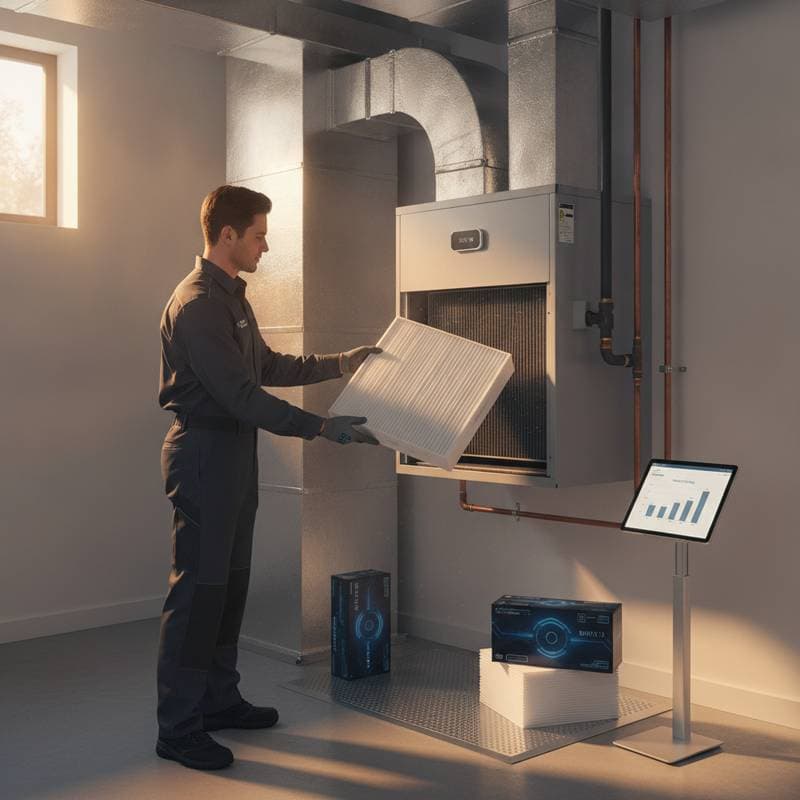
Prioritize providers with certified technicians versed in manufacturer protocols. Insist on original parts to preserve compatibility and avoid conflicts with built-in warranties.
Selecting the Optimal Warranty Plan
Align choices with your home's smart setup, balancing cost against potential repair savings. Start by listing devices and usage patterns to identify must-have features.
Consult multiple quotes, focusing on trial periods or satisfaction guarantees. A well-chosen plan delivers peace of mind, keeping your connected home operational and efficient.