Secure Solar Backup: Coverage Under the 2026 Warranty
Homeowners investing in solar energy systems must grasp the full scope of warranty protections. These warranties extend beyond basic equipment to encompass system reliability and long-term performance. As technology progresses, the 2026 standards introduce enhanced safeguards that address hybrid setups involving panels, inverters, and storage units. This knowledge empowers better decisions on maintenance and upgrades.
Core Elements of Solar Backup Warranties
Solar backup warranties divide into product and performance categories. Product coverage addresses manufacturing defects in materials or workmanship. Performance coverage ensures sustained energy output over time, such as panels retaining at least 80 percent capacity after 25 years.
Hybrid systems demand integrated warranties that evaluate the entire setup. These guarantees confirm seamless operation among components, preventing isolated failures from impacting overall efficiency. Review your warranty documents to identify these interconnected protections.
Implications of the 2026 Warranty Standard
The 2026 framework responds to advances in storage technology with increased transparency. It defines degradation limits, battery longevity, and clear replacement protocols. Homeowners benefit from standardized metrics that simplify claims and expectations.
Key inclusions in this standard are:
- Battery Capacity Retention: Assurance of 70 to 80 percent original capacity after 10 years or 3,000 cycles.
- Power Output Assurance: Panels maintaining 85 percent efficiency after 25 years.
- Inverter Protection: Coverage for conversion failures, including efficiency drops below 95 percent.
- System Integration Guarantee: Verification that combined components achieve rated output without compatibility issues.
These elements minimize unforeseen expenses and support reliable energy planning.
Detailed Product Coverage
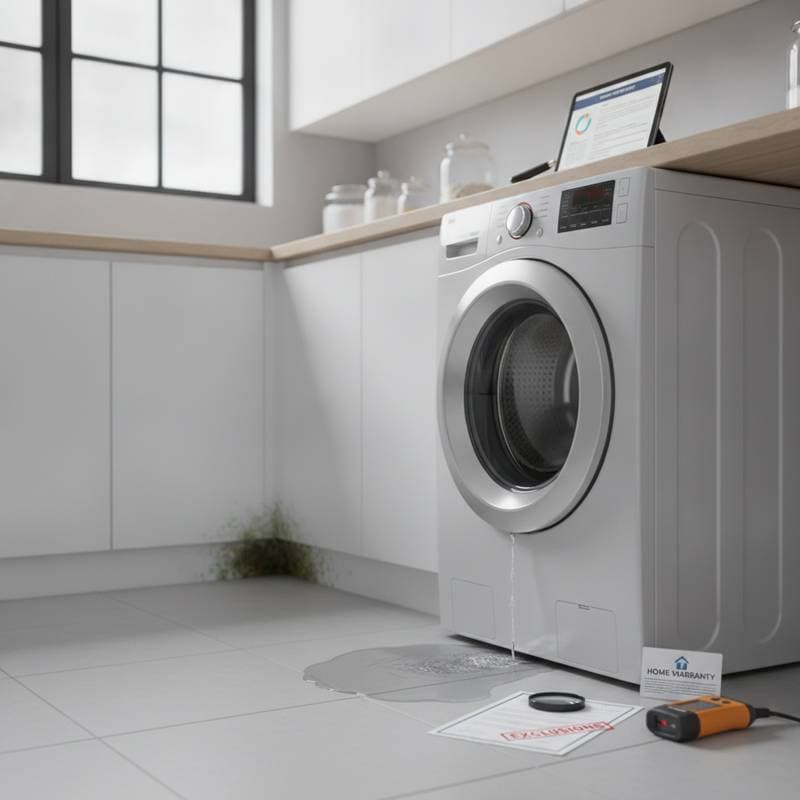
Product warranties cover failures from defects, such as non-functional panels or batteries that fail to charge. Manufacturers handle repairs or replacements, often including labor and shipping for verified claims. Exclusions apply to issues from poor installation or natural disasters like floods.
Select certified installers to preserve coverage validity. Reputable providers mandate professional setup to avoid voids. Document installation details for smooth claim processing.
Performance Coverage and Degradation Management
Degradation occurs naturally in all solar components. Performance warranties set benchmarks, like 90 percent panel output in year one, declining linearly to 80 percent by year 25. The 2026 standard provides precise timelines and testing methods for verification.
For batteries, focus shifts to capacity retention after cycles. Lithium-ion units typically warrant 70 percent usable energy after 10 years. Monitor trends annually to catch deviations early and initiate claims proactively.
Service and Replacement Protocols
Effective warranties outline repair logistics clearly. Options range from on-site technician visits to centralized service centers. The 2026 model emphasizes homeowner-friendly terms, such as priority scheduling within 30 days of claim filing.
Seek transferability features for resale value. Extended plans allow additional coverage beyond base terms for a fee. Evaluate these against your long-term ownership plans.
Evaluating Costs and Protection Value
Robust warranties offset high replacement costs, which can exceed $5,000 for inverters or batteries. Full-service inclusions, covering labor, enhance overall value. Compare terms: A 10-year parts-only plan may underperform a 7-year full-coverage alternative.
Performance incentives, like credits for underperformance, add further benefits. Scrutinize exclusions and claim requirements to assess true worth.
Adhering to Maintenance for Warranty Integrity
Regular upkeep sustains warranty compliance. Clean panels quarterly to remove dust, inspect for shading, and review inverter logs monthly. Schedule professional audits every two years to log performance data.
Refrain from unauthorized repairs, as they risk voiding coverage. Consult manuals or manufacturer support before any interventions. Maintain records of all maintenance to bolster claim validity.
Professional Monitoring Versus DIY Approaches
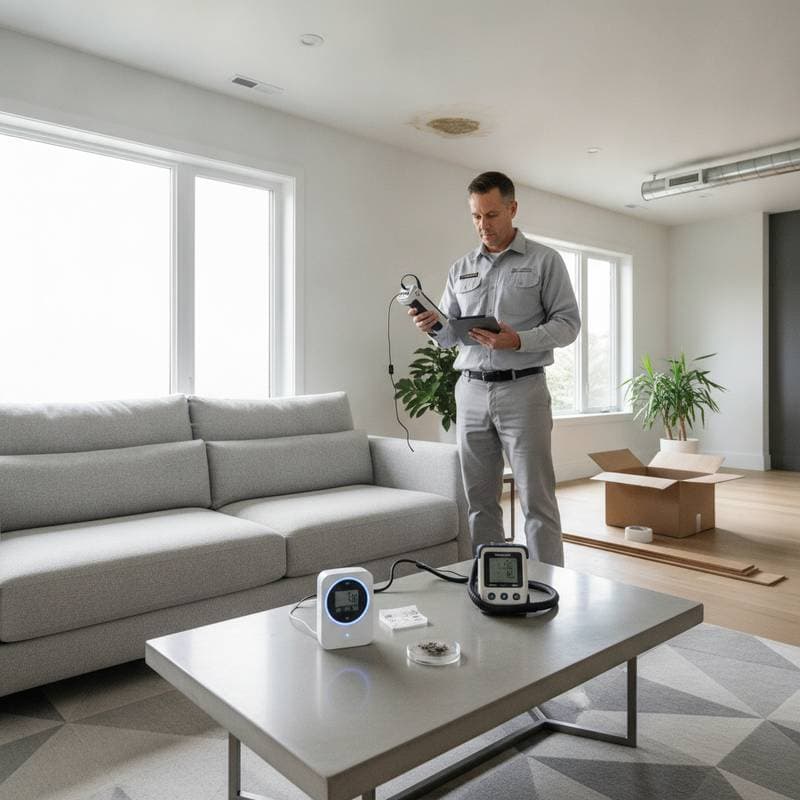
Professional plans deploy sensors for real-time tracking of generation and health metrics. These systems flag issues early, supplying data for warranty disputes. Invest in such tools for complex setups.
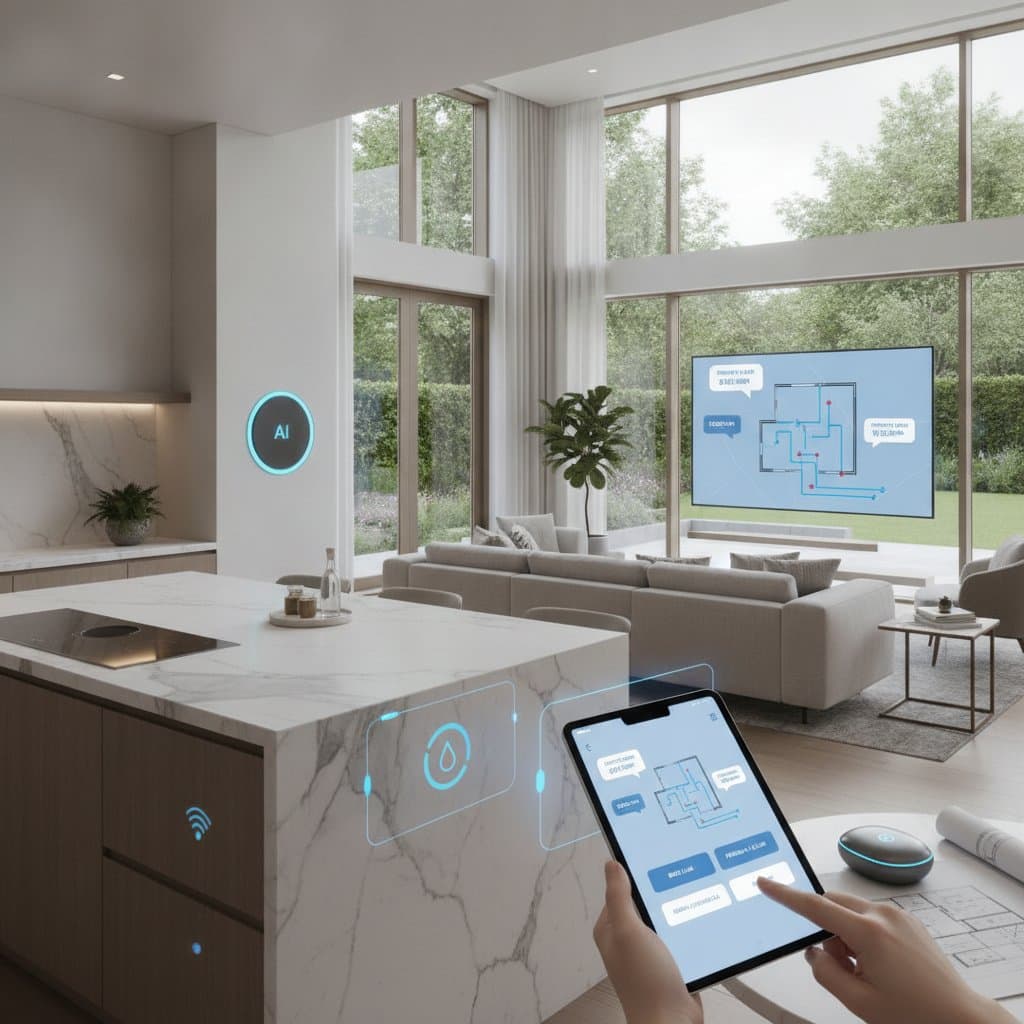
DIY users can leverage system apps for daily insights into output and storage. Set alerts for thresholds, like 5 percent monthly decline, to gather evidence timely. Combine both for optimal oversight.
Assessing Brand Reliability for Warranties
Warranty strength correlates with manufacturer reputation. Prioritize firms with solid financials and service histories. Certifications from UL or similar bodies signal adherence to durability standards.
Examine user feedback on claim efficiency. Brands with streamlined processes reduce hassle. This due diligence ensures dependable support throughout the warranty period.
Safeguarding Your Solar Investment Long-Term
The 2026 warranty standard fortifies solar systems against obsolescence and failures. Certified installation, diligent maintenance, and informed claims preserve these protections. Homeowners gain sustained efficiency and outage resilience.
Ultimately, a solid warranty transforms solar ownership into a secure, cost-effective choice. It underpins energy autonomy while mitigating risks, preparing your home for future demands.