What Home Warranties Cover That Home Insurance Does Not
Homeowners frequently assume that a standard insurance policy safeguards every aspect of their property. This assumption proves incorrect. Insurance policies address repairs or replacements resulting from abrupt incidents, such as fires or storms. They offer limited assistance when a furnace ceases operation or a dishwasher malfunctions due to everyday usage. A home warranty addresses this shortfall by encompassing mechanical failures that insurance policies overlook. Understanding the distinctions between these protections enables individuals to reduce expenses and alleviate concerns during internal home malfunctions.
Coverage Provided by Home Insurance
Home insurance safeguards against unforeseen external damages. It includes protection for events like fires, theft, vandalism, and natural disasters. Policies facilitate the replacement of the home's structure and personal possessions following significant losses. This coverage proves essential for financial recuperation, yet it excludes routine mechanical failures.
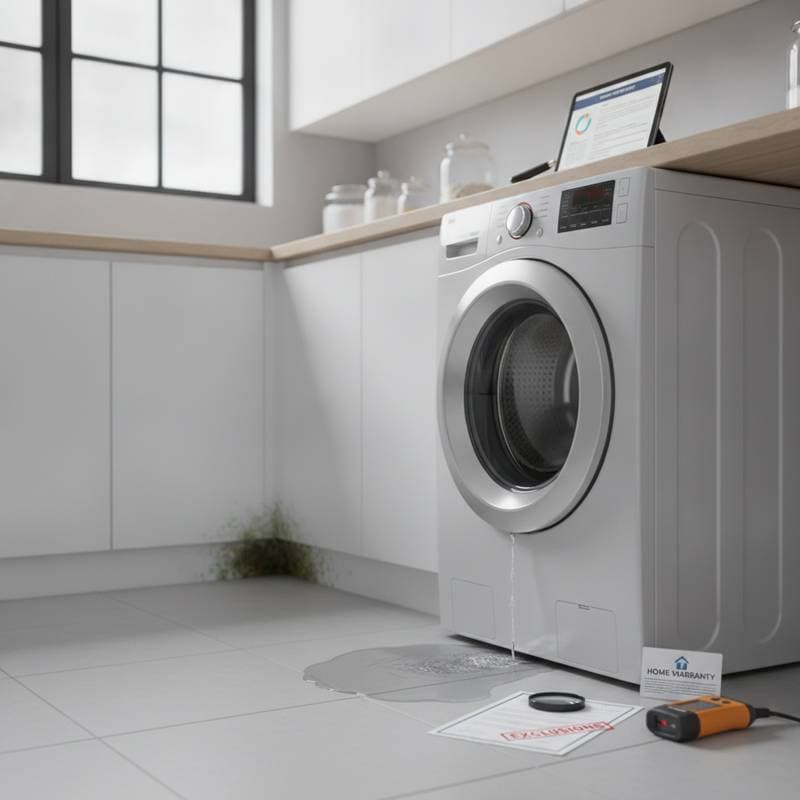
Consider a washing machine that stops functioning. Insurance provides no support in such cases. However, if lightning induces a power surge that damages electronics, insurance may compensate for that particular occurrence. The policy will not extend to the same appliance if it deteriorates from age or regular operation.
Lenders typically mandate home insurance, whereas a home warranty remains an elective option. These two forms of protection complement one another rather than compete.
Coverage Unique to Home Warranties
Home warranties emphasize the ongoing operational aspects of a residence. They shield components that degrade gradually, precisely those excluded from insurance policies. Key categories of coverage include the following:
Major Appliances
Standard plans encompass the functional components of kitchen and laundry appliances, such as:
- Refrigerators
- Dishwashers
- Ovens and cooktops
- Washers and dryers
- Built-in microwaves
For instance, a homeowner reported on a review platform that their refrigerator's compressor malfunctioned. The warranty arranged for its replacement in just two days, sparing them several hundred dollars in costs. Insurance would have declined coverage for this type of failure.
HVAC Systems
Heating, ventilation, and air conditioning units rank among the priciest elements to repair. Home warranties offset expenses for fixes involving motors, fans, or coils that wear down over time. Claims related to HVAC service calls represent a significant portion of warranty submissions.
Plumbing and Electrical Systems
Pipes may develop leaks, and circuit breakers can malfunction unexpectedly. While insurance addresses water damage from sudden ruptures, it ignores the underlying pipe issue. A home warranty intervenes to mend the pipe or substitute defective wiring, preventing minor problems from escalating into extensive repairs.
Water Heaters and Ductwork
These concealed systems age without notice. Their failure often leads to discomfort or secondary damage. Warranty protection for water heaters and ductwork maintains household comfort while avoiding unexpected large expenditures.
Optional Add-Ons
Certain plans permit inclusion of additional features, including:
- Pools and spas
- Septic systems
- Well pumps
- Garage door openers
Insurance seldom includes these elements, but warranties allow their addition for a modest additional fee.
Advantages Extending Past Financial Relief
A home warranty serves purposes beyond mere monetary protection. It delivers convenience, reliability, and reassurance.
Predictable budgeting becomes feasible, as individuals understand monthly payments and service visit fees in advance. Warranty providers dispatch vetted technicians promptly, minimizing disruptions from inoperable essential systems. Homeowners bypass the hassle of locating and evaluating independent repair professionals.
Active warranties also enhance property appeal. Prospective buyers view them favorably, as they mitigate perceived risks. A real estate professional noted on an industry discussion board that properties with current warranties attract more bids. Such listings signal diligent property maintenance.
Limitations of Home Warranties
Home warranties do not resolve all issues. Exclusions apply to pre-existing conditions, aesthetic concerns, or improper installations. Neglecting advised upkeep may result in claim rejections. Individuals benefit from scrutinizing policy details thoroughly.
For residences with antiquated systems, certain providers impose coverage restrictions or elevated premiums. Warranties remain beneficial in these scenarios, but reviewing plan boundaries prior to commitment proves advisable. Evaluating policies from multiple companies pays off, given variations in coverage definitions.
Frequently Asked Questions
Does a home warranty cover accidental damage? No. Coverage applies solely to normal wear and tear. Insurance handles accidents and disasters.
Can a warranty apply to an older home? Yes, although exclusions or caps may affect certain items. Providers frequently conduct inspections of primary systems before approving coverage.
Steps to Secure Home Warranty Protection
Selecting an appropriate home warranty involves targeted actions. Begin by assessing your home's age and key systems to identify essential coverage areas. Research providers through customer reviews and comparison sites, focusing on claim approval rates and service networks in your region.
Obtain quotes from at least three companies, noting service fees, coverage caps, and add-on options. Review sample contracts for exclusions and aggregate limits. Purchase coverage that aligns with your budget and lifestyle needs, activating it promptly to ensure immediate protection.
This approach safeguards your investment, allowing focus on enjoyment rather than unexpected repairs. Home warranties empower homeowners to maintain smooth operations year-round.