The Truth About AI HVAC and Home Warranties
Smart thermostats initiated the trend, yet entire AI-powered HVAC systems now redefine home comfort. These systems analyze user habits, forecast maintenance requirements, and optimize airflow without manual input. They deliver energy efficiency and ease, but homeowners frequently discover that home warranty coverage falls short of expectations during malfunctions.
This guide examines essential details for homeowners regarding AI HVAC systems, warranty implications, and preparatory actions prior to purchase.
Why AI HVAC Systems Matter
Traditional furnaces and air conditioners respond solely to direct instructions. In contrast, an AI HVAC system employs sensors, data analytics, and adaptive algorithms to predict and fulfill comfort demands. It modifies temperatures according to occupancy or weather predictions, and certain models integrate with smart blinds or lighting to enhance overall efficiency.
As these systems incorporate greater intelligence, complexity increases. This leads to higher costs for components, demands for specialized servicing, and intricate warranty terms that may surprise users.
What Makes an HVAC System "AI"?
An AI HVAC system merges hardware and software for seamless real-time interaction. Key elements include:
- A smart thermostat equipped with machine learning functions
- A variable-speed compressor that modulates output dynamically
- Zoned controls that tailor settings to individual rooms based on activity
- Integrated sensors tracking humidity, temperature, and air quality
- Cloud-based diagnostics that notify users or technicians of potential problems in advance
These features aim to provide optimal comfort, energy savings, and proactive upkeep. However, failures in software or sensor accuracy complicate troubleshooting, distinguishing between electrical, mechanical, or digital faults. Such distinctions prove critical for warranty eligibility.
How Home Warranties Cover AI HVAC Systems
Standard home warranties address heating and cooling under a broad HVAC classification. AI enhancements create ambiguities. Policies often include the compressor, blower motor, and evaporator coil, while omitting smart elements such as sensors, communication modules, or control boards.
Common Coverage Scenarios
| Component | Usually Covered | Often Excluded | Notes |
|---|---|---|---|
| Compressor | Yes | No | Core mechanical part with standard coverage |
| Thermostat | Sometimes | Yes | Smart models frequently excluded |
| Sensors | Rarely | Yes | Viewed as electronic accessories |
| Software updates | No | Yes | Excluded from physical repair coverage |
| Wiring and connections | Yes | Sometimes | Requires compliance with installation norms |
Review the HVAC section meticulously before committing to a warranty. Phrases like "standard system components" typically refer to non-intelligent equipment. Consider upgrades or add-ons for advanced functionalities.
Real-World Example
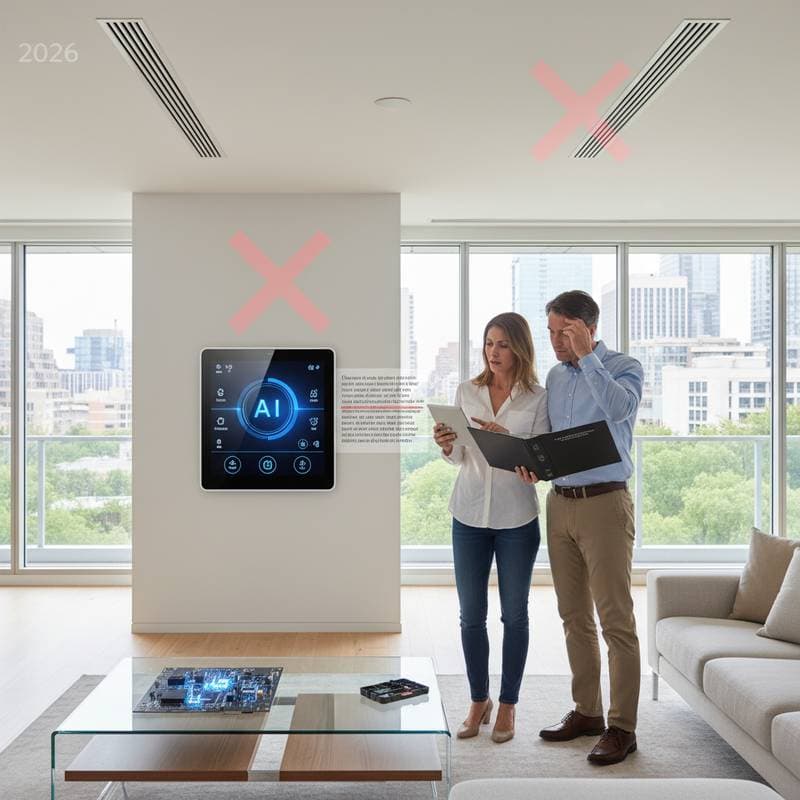
Consider installing an AI HVAC system with occupancy sensors for airflow distribution. If the system ceases operation and diagnostics reveal a defective sensor board, a warranty claim might face denial. The provider could classify the board as a "smart component," resulting in out-of-pocket expenses of several hundred dollars despite coverage for other parts.
This scenario reflects widespread experiences among those adopting smart climate solutions. Verify coverage details prior to installation to prevent post-failure disputes.
The Cost Factor
AI HVAC systems command 20 to 40 percent higher prices than conventional units. A mid-range model with AI features may cost $8,000 to $12,000 installed. Routine annual maintenance ranges from $200 to $400, influenced by sensor count and zoning complexity.
Specialized warranty add-ons for intelligent components add $100 to $250 yearly. These investments safeguard against expenses such as a $700 control board or a $500 software adjustment by a technician.
DIY vs. Professional Service
Homeowners can manage routine tasks including filter replacements, vent dusting, and basic thermostat adjustments. For AI-specific work like calibration or sensor swaps, engage certified professionals. Unauthorized tools or updates risk invalidating manufacturer and warranty protections.
Essential DIY tools comprise:
- A screwdriver set for accessing panels
- A soft brush or vacuum for clearing debris
- A smartphone application for running diagnostics
- Air filters meeting MERV 8 standards or above
Disconnect power before internal access, and maintain records of all upkeep for potential warranty validation.
Common Mistakes to Avoid
- Presume that smart features receive automatic inclusion under HVAC terms; they seldom do.
- Overlook registration requirements; many AI systems mandate online activation within a specified timeframe for coverage.
- Incorporate unapproved third-party applications, which may trigger data issues leading to warranty nullification.
- Disregard firmware notifications; postponing updates could signal neglect and justify claim rejections.
- Employ technicians lacking certification; providers typically insist on licensed experts for repairs and maintenance.
Proactive record-keeping and adherence to approved practices minimize unexpected challenges.
Accessibility and Efficiency Considerations
AI HVAC systems enhance accessibility through app-based or voice-activated controls, aiding those with mobility limitations in regulating temperatures. Certain models issue air quality notifications beneficial for individuals with asthma or allergies. When selecting warranties, ensure that features like voice interfaces or remote sensors align with core HVAC coverage terms.
When to Call a Professional
Seek a licensed HVAC technician versed in smart technologies if temperatures fluctuate erratically, sensors report persistent errors, or zoning communications falter. Prioritize professionals holding credentials in mechanical and digital diagnostics. Their documented assessments strengthen future warranty submissions.
Steps to Secure Your AI HVAC Investment
To integrate an AI HVAC system effectively, start by consulting multiple warranty providers for explicit smart component inclusions. Pair this with selecting manufacturers offering extended digital warranties. Schedule initial professional inspections post-installation to baseline performance and affirm compliance. Regular monitoring via system apps prevents minor issues from escalating, preserving both efficiency and coverage. These measures position homeowners to enjoy advanced comfort without financial pitfalls.