Decoding Warranty Coverage for AI-Enhanced HVAC Systems
Advanced HVAC systems integrate artificial intelligence to optimize energy use, forecast upkeep requirements, and enhance indoor comfort. These innovations analyze usage patterns in real time, making automatic adjustments and signaling potential breakdowns in advance. However, when malfunctions occur, many owners face the reality that warranty protections prove less comprehensive than anticipated. A clear grasp of included and excluded elements under an AI HVAC warranty helps prevent substantial out-of-pocket expenses.
Grasping the Basics of AI-Integrated HVAC Technology
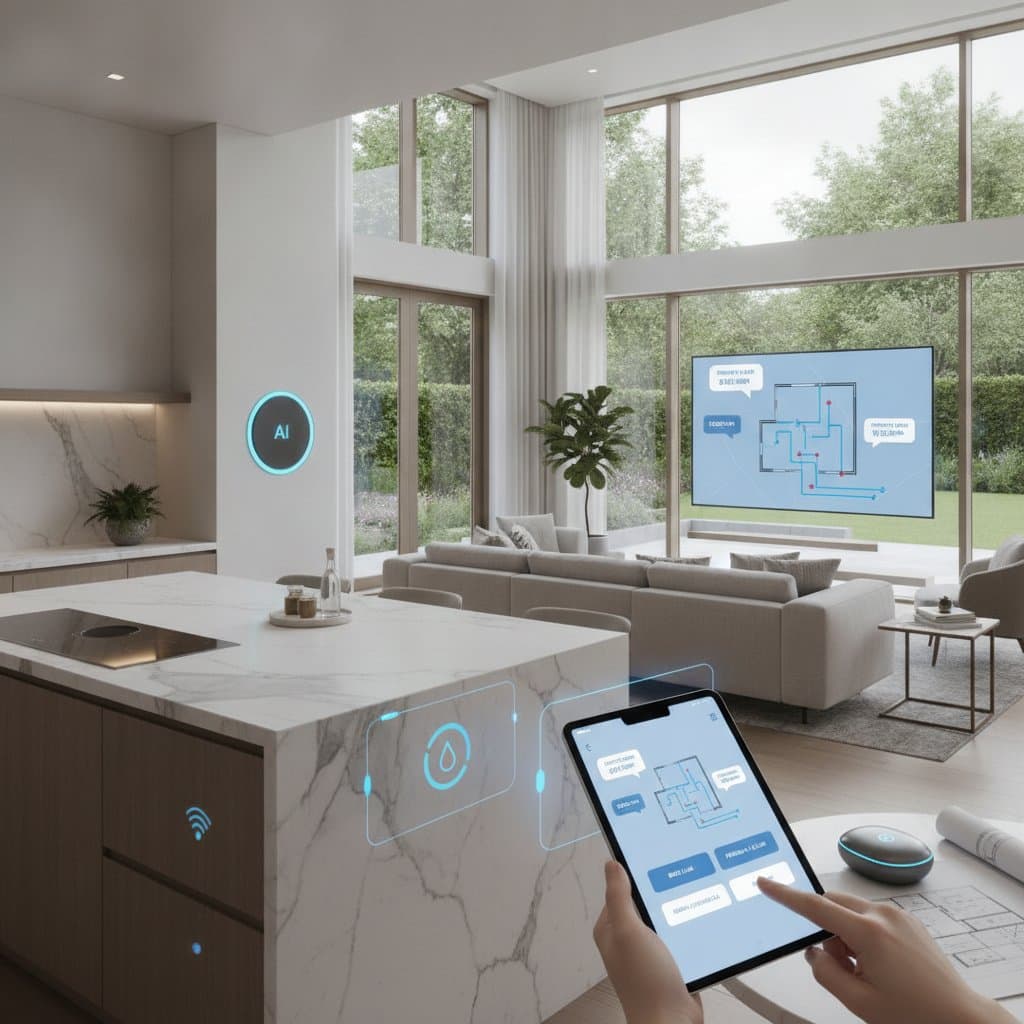
AI-integrated HVAC setups merge conventional heating and cooling hardware with intelligent sensors and analytical algorithms. These components monitor variables like temperature fluctuations, moisture levels, and power consumption, then fine-tune operations for peak performance. Popular options often incorporate programmable thermostats, app-based oversight, and remote data processing through secure servers. Leading manufacturers such as Trane, Lennox, and Carrier embed these AI elements in their newest lines, promoting longer system longevity and lower utility costs.
While the AI layer excels at preempting service needs, it does not ensure all problems qualify for warranty support. Owners frequently confuse factory flaws with everyday degradation or required software refreshes. Policy wording grows intricate for hybrid setups that blend mechanical parts with digital interfaces, demanding careful review before installation.
Core Elements in Traditional HVAC Warranties
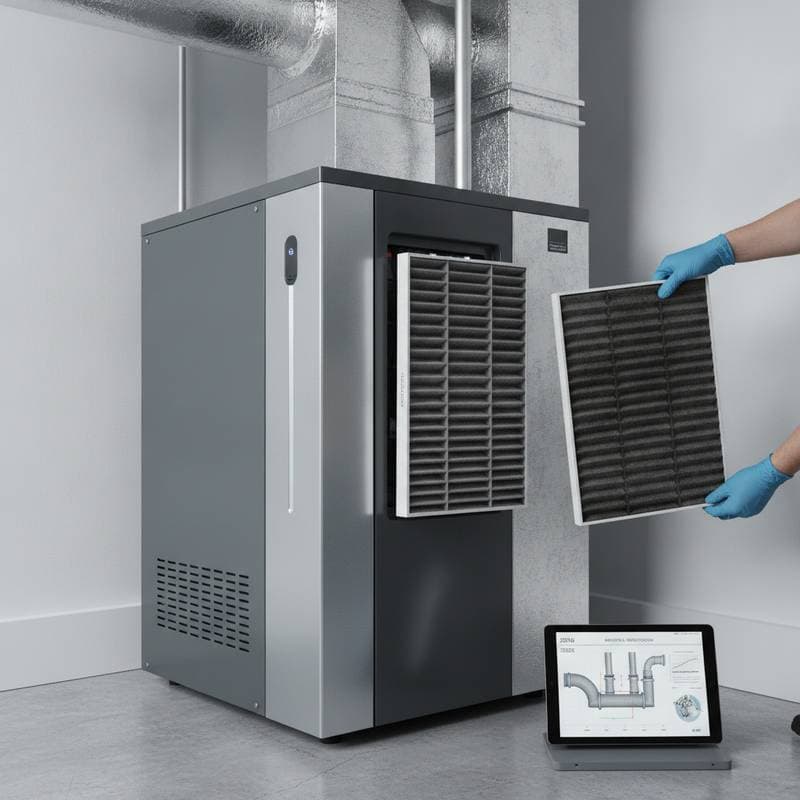
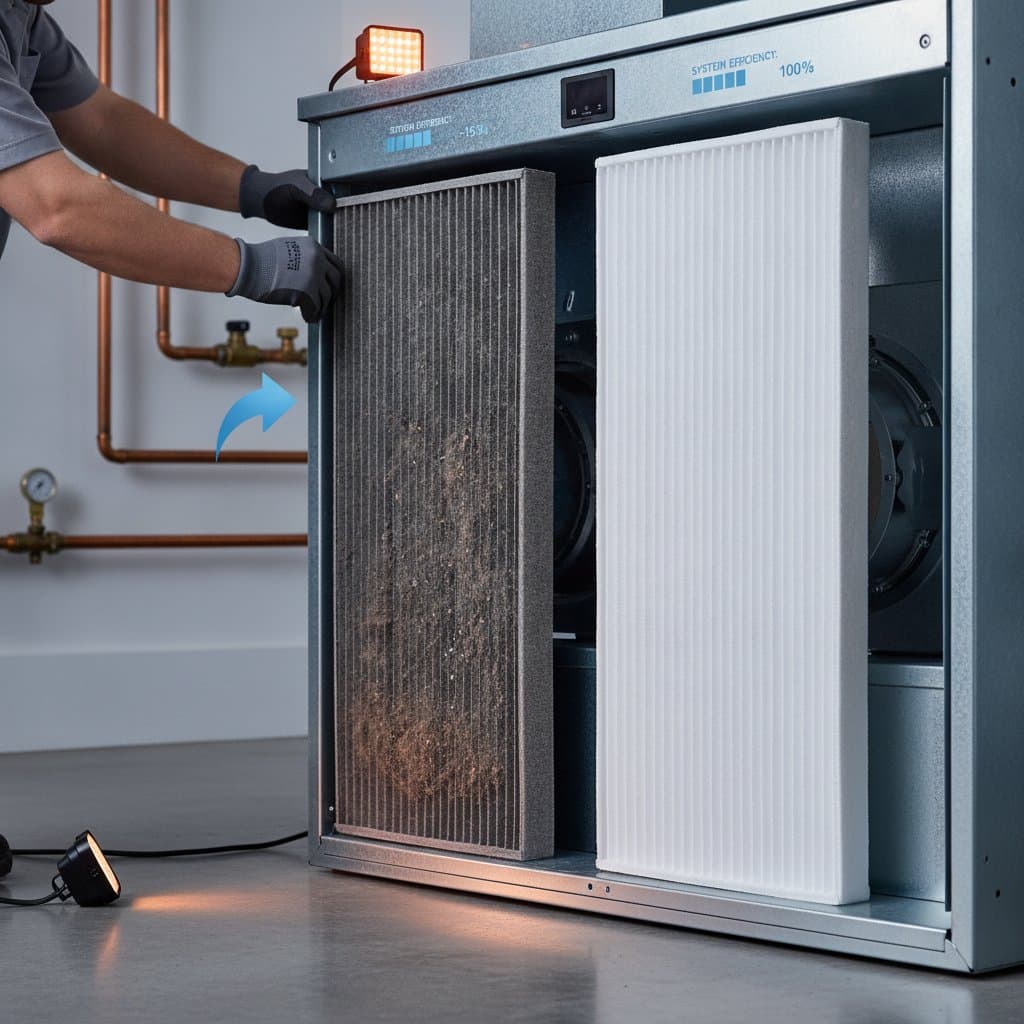
Standard HVAC warranties focus on flaws in materials or assembly for a defined duration. Coverage extends to essential parts including compressors, evaporator coils, and heat transfer units. Labor expenses vary by producer or service provider, with some plans including them fully and others limiting to parts only. Items subject to regular use, such as air filters, drive belts, and basic detectors, typically receive no protection.
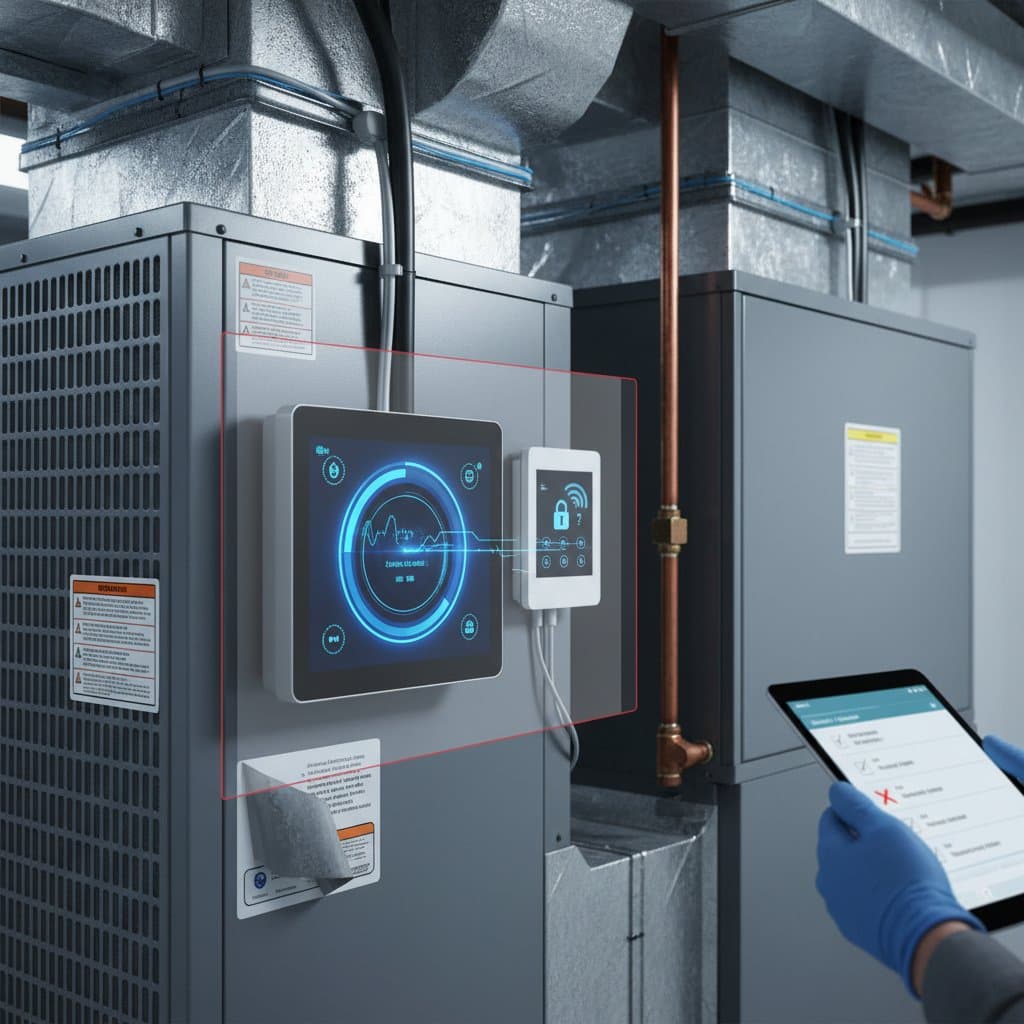
For AI-enhanced models, physical hardware retains this baseline safeguard. A defective compressor, for instance, qualifies for replacement under most policies. Difficulties arise with the technological aspects: AI controllers, digital thermostats, and internet-enabled parts often operate under distinct conditions. These may feature abbreviated timelines or necessitate product enrollment for eligibility.
The Impact of AI Innovations on Warranty Scope
Artificial intelligence introduces multifaceted elements that shape policy boundaries. Features like anticipatory upkeep algorithms, performance data processors, and online linkages may depend on external providers. A disruption in the AI interface from a firmware upgrade or signal loss might not register as a warrantied defect.
Producers commonly categorize software glitches and information flow problems as supplementary services rather than integral hardware. Consider a scenario where the alert mechanism overlooks an impending fault; even with functional mechanics, this shortfall may lack coverage. Digital thermostat policies might address only production errors, excluding application glitches or interrupted signals.
Insights from HVAC specialists in online forums reveal frequent owner disappointments when intelligent elements falter, only to learn protections apply solely to tangible components. Certain manufacturers provide add-on plans for digital safeguards, available as separate purchases to broaden protection.
Evaluating Financial Implications
Assessing warranties requires scrutiny beyond stated durations. Expenses for AI-specific replacements mount quickly: a digital thermostat ranges from $150 to $300, and a primary control unit surpasses $500 in many cases. Diagnostic and reconfiguration labor for intelligent systems adds $200 to $400, reflecting the need for advanced expertise.
Technicians trained in AI diagnostics command higher fees due to specialized knowledge. Systems relying on producer-hosted diagnostics may incur ongoing subscription costs or access charges outside warranty bounds. Homeowners benefit from requesting detailed cost breakdowns during initial consultations to anticipate these factors.
Safeguarding Your Warranty Eligibility
Preserve warranty validity by meeting all outlined upkeep and connection protocols from the producer. Numerous policies mandate evidence of yearly expert inspections. Neglecting these can invalidate claims, particularly for models dependent on precise sensor alignment for predictive accuracy.
Document every receipt, enrollment proof, and interaction with installers or support teams meticulously. For setups with digital thermostats, apply software patches without delay upon release. Producers may reject requests if systems run obsolete versions or experience prolonged offline periods, viewing these as non-compliance.
Engaging Expert Assistance Wisely
Self-directed repairs pose hazards in AI-equipped systems. Faulty connections or overlooked updates disrupt data gathering and operational sequences. Upon encountering alerts tied to the AI core or forecasting tools, summon a qualified professional immediately. Unauthorized resets or custom programming risk nullifying the entire policy.
Expert intervention proves crucial during additions of external devices, like voice controls or centralized automation. Incompatibilities trigger signaling failures that producers may deem as alterations by the user, excluding them from coverage. Select certified providers familiar with your model's ecosystem to minimize such risks.
Strategies to Minimize Warranty Conflicts
Opt for systems where policy details appear straightforward and comprehensive from the outset. Prior to committing, obtain a documented summary from your installer covering both mechanical and electronic safeguards. Brands including Carrier and Lennox introduce combined policies that merge classic protections with targeted digital inclusions for key intelligent attributes.
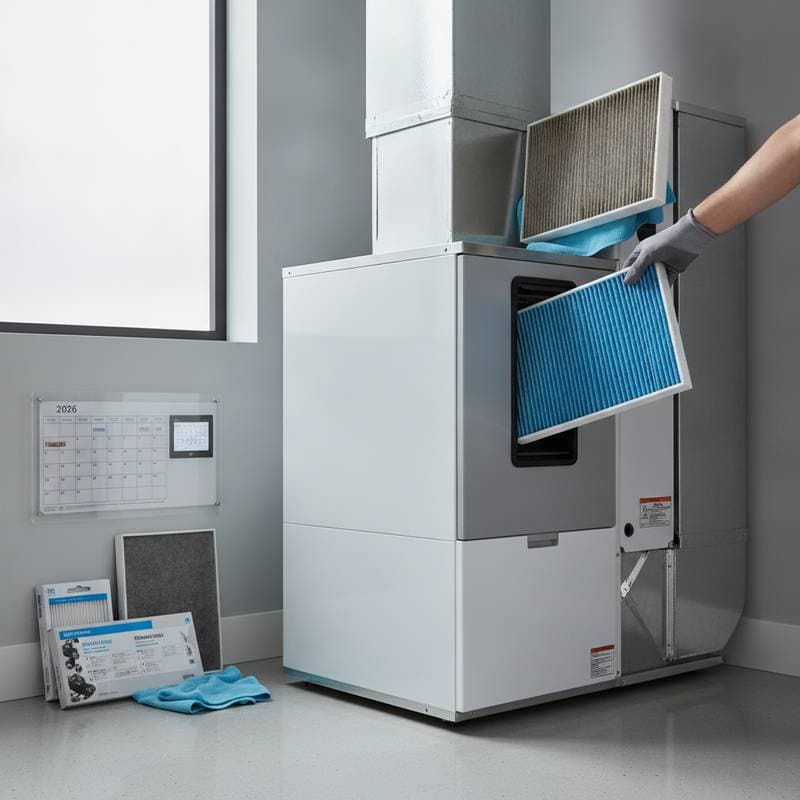
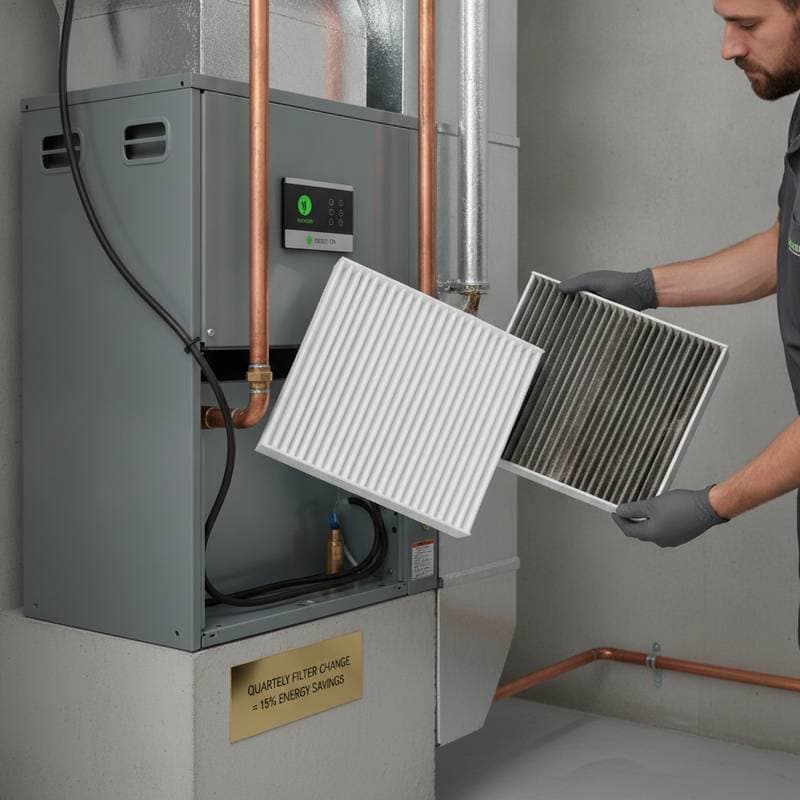
Uphold routine care despite advanced forecasting capabilities. Replace filters regularly, examine detectors for accuracy, and arrange biannual professional evaluations. Physical upkeep ensures the AI framework operates at full potential, reducing the likelihood of disputes.
Securing Long-Term Value in Your AI HVAC Setup
AI-driven HVAC advancements offer substantial gains in efficiency and user ease, yet they do not shield against every potential expense. Delve into policy nuances, maintain thorough records of all services, and rely on professionals for complex interventions to uphold your coverage. While predictive tools provide proactive advantages, sustained reliability hinges on diligent adherence to guidelines and proactive system care.