Roof Leaks: What Home Warranties Cover
A leaking roof presents significant challenges for homeowners. Water stains on walls, peeling paint, or warped ceiling materials signal potential issues that demand prompt attention. Homeowners frequently wonder if their warranty addresses such problems. Coverage varies based on the policy details, the leak's origin, and the roof's upkeep history. Clear knowledge of these elements enables informed decisions about repairs and helps prevent financial burdens.
Key Aspects of Roof Leak Coverage
Home warranties primarily address mechanical systems and essential appliances, yet select plans extend partial protection to roof leaks. This protection targets leaks arising from standard wear and tear, excluding those from severe weather, debris impacts, or installation flaws. Providers generally limit coverage to the primary residence, excluding structures like garages or sheds.
Homeowners share varied accounts of warranty experiences online. Successful claims often involve swift repairs for minor issues, while denials commonly stem from inadequate maintenance records. Review policy terms thoroughly in advance to anticipate coverage boundaries.
Standard Coverage Provisions
Plans offering roof leak protection typically address minor leaks due to material aging or slight degradation. Coverage may encompass the following repairs:
- Sealing minor cracks or gaps in shingles and flashing materials
- Addressing leaks at roof penetrations, such as those around vents, chimneys, or skylights
- Patching areas affected by gradual wear on roofing components
Providers like American Home Shield and Choice Home Warranty impose per-claim caps, often ranging from $250 to $500 for roof services. These limits suffice for targeted fixes but fall short for full replacements. In such cases, the warranty supports temporary sealing to halt water intrusion and mitigate interior damage.
Common Exclusions in Coverage
Exclusions play a critical role in determining claim outcomes. Warranties exclude damage from:
- Severe weather events, including high winds, hail, or fallen objects
- Preexisting conditions, structural defects, or faulty original installations
- Lack of routine maintenance or ignored prior leaks
- Non-standard roofs, such as flat or metal designs
Homeowners bear full responsibility for excluded repairs. Homeowners insurance, rather than warranties, handles sudden perils like storms. Warranties concentrate on failures from everyday use, distinct from insurance protections against unforeseen accidents.
Choosing Between DIY and Professional Repairs
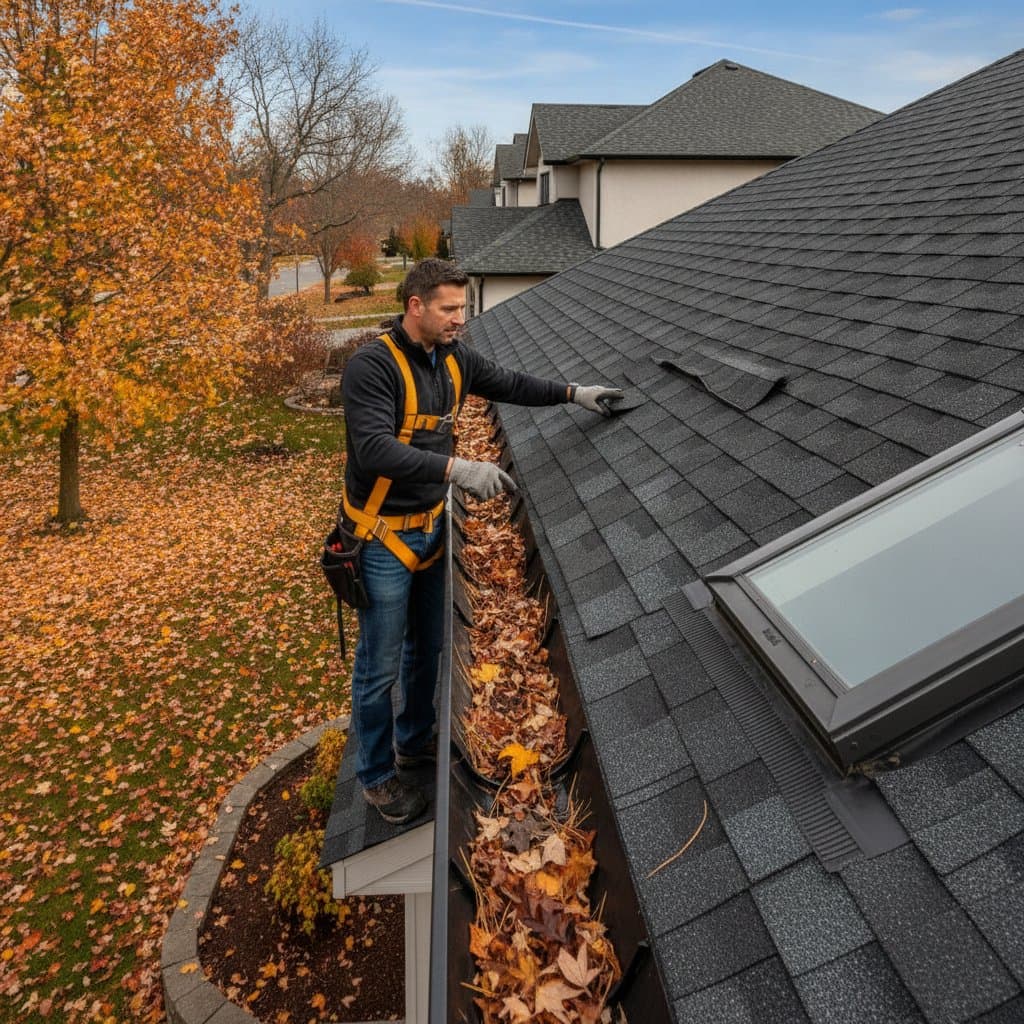
Minor leaks may seem straightforward, yet roof work involves hazards without appropriate equipment. Limit self-repairs to safe tasks, such as removing gutter debris or inspecting shingles from ground level. For confirmed leaks, engage a certified roofing professional to ensure lasting results.
Warranty policies mandate use of vetted contractors for covered services. Independent fixes risk claim invalidation. Initiate contact with the provider to arrange an evaluation and authorized repair process.
Managing Costs Effectively
Coverage does not eliminate all expenses; anticipate service fees and potential deductibles. Plans charge a visit fee, typically $75 to $125, which offsets larger repair bills. Exceeding coverage limits may require additional payments from homeowners.
Incorporate roof maintenance into your annual budget to avert leaks. Professionals advise scheduling inspections each spring and fall to identify wear early. Proactive investments in upkeep often prevent extensive water damage and associated restoration costs.
Steps to Preserve Roof Condition and Warranty Validity
Routine care extends roof lifespan and upholds warranty terms. Implement these practices:
- Clear gutters and downspouts quarterly to manage water flow.
- Trim branches that overhang the roof to reduce debris accumulation.
- Ensure proper attic ventilation to minimize moisture buildup.
- Document all maintenance activities for claim support.
During policy renewal, examine roof provisions closely. Optional add-ons can broaden protection to include diverse roofing types or higher limits.
Strategies to Avoid Leaks Long-Term
Consistent vigilance sustains roof integrity over decades. Pair regular professional assessments with homeowner checks for optimal results. Maintain detailed records of inspections and repairs to streamline future claims.
Grasp your warranty's scope and commit to diligent maintenance. These efforts minimize expenses, safeguard your property, and maintain a secure living environment.