Understanding Heat Pump Water Heater Warranties
Heat pump water heaters deliver hot water efficiently by transferring heat from surrounding air using electricity. This process reduces energy use by up to 60 percent relative to conventional electric units. However, these systems include complex elements such as compressors, sensors, and refrigerant lines that may require repairs over time.
Warranty protection provides essential safeguards, yet it remains conditional. Homeowners benefit from clarifying coverage details, identifying voiding risks, and adopting preventive measures to maintain full benefits throughout the unit's lifespan.
Coverage Under Manufacturer Warranties
Manufacturer warranties address defects originating from materials or assembly errors. These protections exclude routine upkeep failures or installation-related damage. Typical inclusions encompass:
- Replacement of parts affected by factory flaws.
- Labor support limited to an initial phase, often shorter than parts coverage duration.
- Inner tank repairs for corrosion-induced leaks occurring within the specified period.
Exclusions commonly involve:
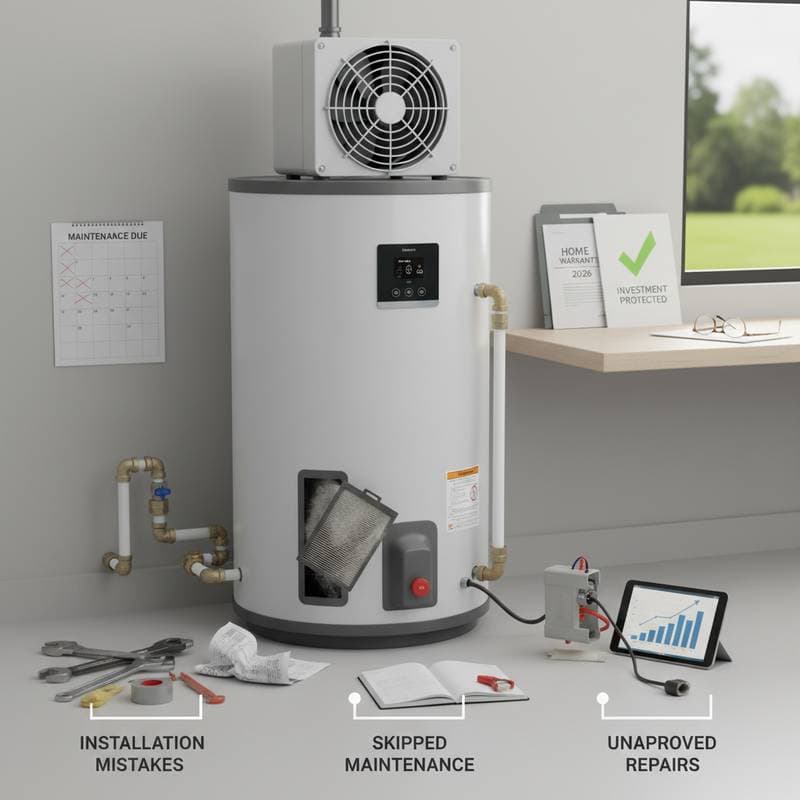
- Failures from flawed setup or mismatched power supplies.
- Issues tied to water hardness, including mineral deposits or sediment accumulation.
- Breakdowns due to overlooked servicing, such as uncleaned filters or drains.
- Alterations or fixes performed by unqualified individuals.
Consider a case where a homeowner attempted a self-repair on the control board without manufacturer consent, resulting in denied claims. Such incidents highlight the importance of adhering to guidelines.
Extending Protection with Home Warranties
Home warranty policies complement manufacturer terms by addressing gradual deterioration from everyday operation. These options prove valuable for aging units or comprehensive home coverage.
Benefits often include:
- Fixes or full replacements for breakdowns under standard conditions.
- Arrangements with vetted service providers.
- Reimbursements for irreparable units, subject to policy terms.
Limitations persist, such as exclusions for leak-induced flooding, refrigerant replenishment, or compliance upgrades. Caps on repair expenditures also apply in many contracts.
Evaluate providers by reviewing definitions of acceptable wear. Confirm inclusion for advanced models, which demand specialized components and troubleshooting distinct from basic systems.
Weighing DIY Maintenance Against Professional Service
Troubleshooting a heat pump water heater involves choices that impact finances and warranty status. Basic upkeep poses low risk when executed properly, while complex interventions necessitate experts.
Safe DIY Maintenance Steps
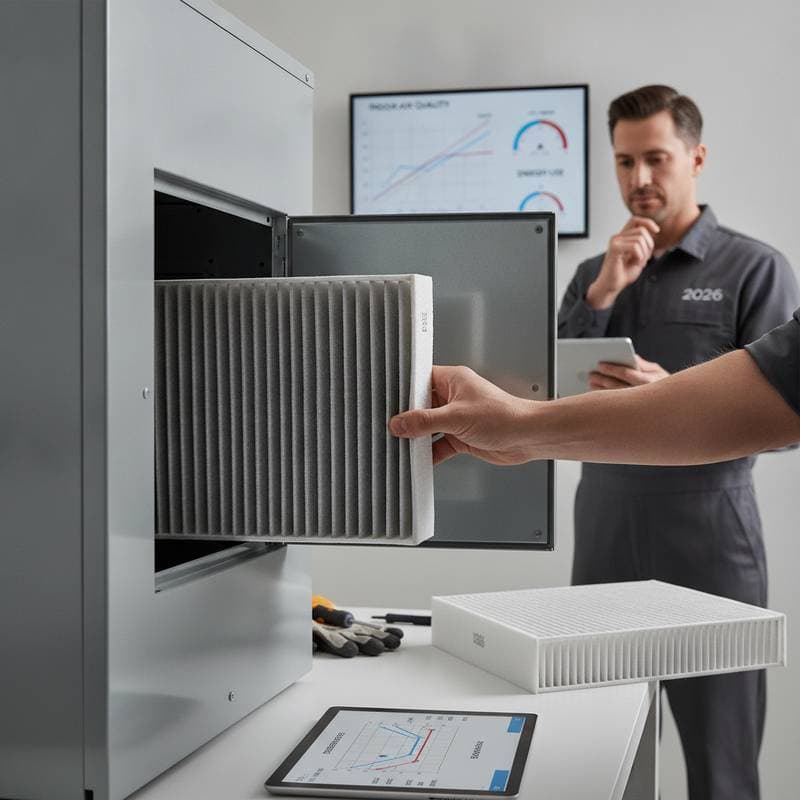
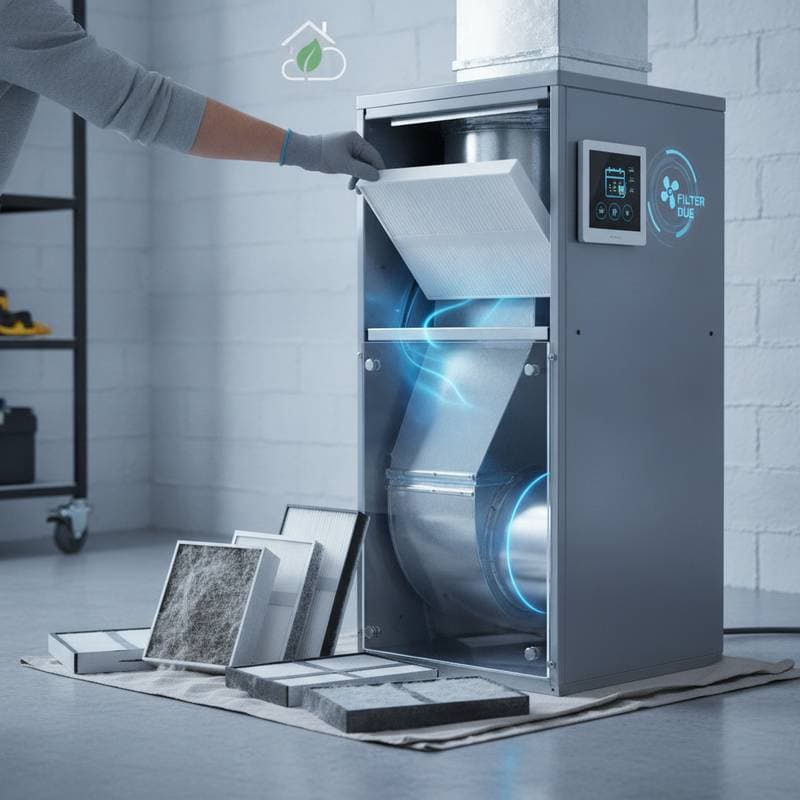
- Remove and clean air filters quarterly to ensure airflow.
- Drain the tank annually to clear sediment buildup.
- Clear condensate lines of debris to prevent overflows.
- Examine pipe insulation for wear and replace as needed.
These actions support system longevity without compromising coverage.
Interventions Requiring Expert Handling
- Compressor swaps, which involve precise alignment and testing.
- Refrigerant level adjustments, regulated by environmental standards.
- Sealing breaches in refrigerant circuits.
- Modifying sensor wiring or electrical setups.
Professionals possess tools and certifications to avoid inadvertent damage. Data from service experts indicates that one-third of warranty disputes stem from amateur corrections.
Indicators of Potential Warranty Risks
Subtle oversights can jeopardize coverage unknowingly. Monitor for these red flags:
- Absence of installation receipts or technician credentials.
- Illegible or detached unit serial numbers.
- Lack of warranty registration confirmation.
- Use of aftermarket components in any fixes.
- Disregard for scheduled upkeep notifications.
Address concerns promptly by reaching out to the manufacturer. Submit required records to verify or reinstate status.
Diagnosing and Addressing System Issues
Persistent failure to heat, odd sounds, or diagnostic alerts signal the need for intervention. Engage a licensed technician to pinpoint causes, whether mechanical, electrical, or control-related. Early professional assessment preserves warranty integrity and prevents escalation.
Steps to Safeguard Warranty Coverage Long-Term
Sustained warranty protection relies on proactive habits. Complete product registration upon purchase. Schedule yearly inspections to address filters, drains, and overall performance. Retain all service logs and receipts in an organized file.
Opt for certified technicians for non-routine work to ensure compliance. These practices not only uphold coverage but also extend equipment efficiency, minimizing repair needs and energy expenses over time.