2026 Home Warranties: Uncovering Solar Repair Coverage
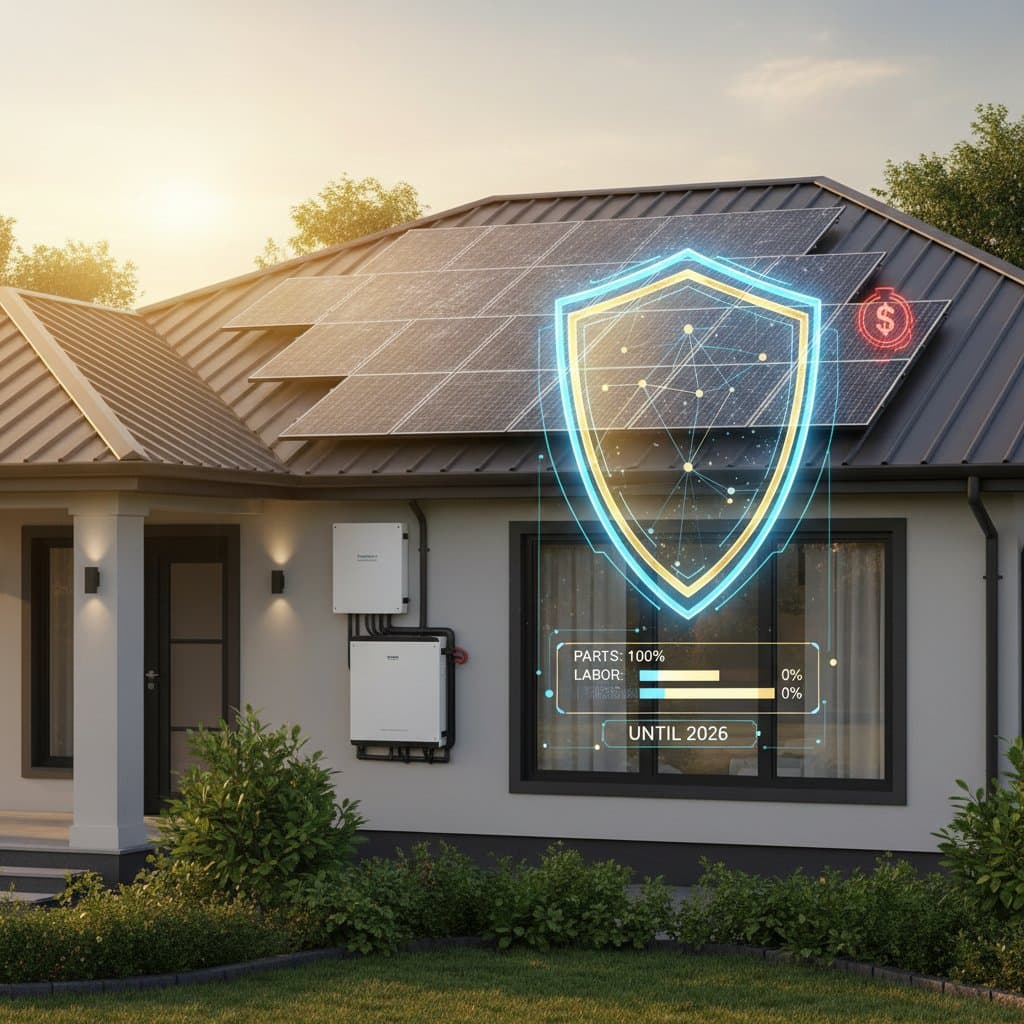
Homeowners who install solar energy systems anticipate reliable savings and minimal upkeep. However, as these systems mature, minor problems such as inverter malfunctions or panel cracks can escalate into significant expenses. Many individuals now seek clarity on how home warranties address solar repairs in the years ahead. The key lies in comprehending policy details, distinguishing between equipment and labor protections, and recognizing advancements in warranty offerings tailored to solar installations.
Why Solar Repair Coverage Matters More Than Ever
Solar panels endure for over 20 years, yet they require occasional attention. Inverters degrade over time, wiring deteriorates, and panels suffer efficiency drops from harsh weather. Traditionally, manufacturers provide warranties for materials, but these exclude labor and diagnostic efforts.
Home warranties fill this void by functioning as service agreements that cover repair or replacement costs for failing parts. Coverage varies by provider: some integrate solar protections seamlessly, while others demand add-ons. Understanding precise inclusions prevents a routine service visit from costing hundreds of dollars.
Gaps in Standard Home Warranty Policies
Most home warranties prioritize core home systems like plumbing, heating, ventilation, air conditioning, and basic electrical setups. Solar installations often fall outside these scopes, leading to automatic exclusions. When included, protections might extend only to mounts or wiring, omitting panels, inverters, or batteries.
Homeowners must examine three essential policy areas to sidestep unexpected bills:
- Covered Components: Confirm listings for solar panels, inverters, monitoring equipment, and battery units.
- Coverage Limits: Note annual caps on solar-related claims, which could restrict reimbursements.
- Exclusions: Identify non-covered scenarios, such as weather damage, roof leaks, or faulty installations.
A homeowner on Reddit described how their warranty denied an inverter repair claim due to the use of unapproved mounting hardware by the installer. Such instances underscore the impact of overlooked specifics.
Manufacturer Warranties Compared to Home Coverage
Solar protections derive from manufacturers and home warranty providers, each serving distinct roles. Manufacturers address material defects and production flaws, whereas home warranties manage operational failures and associated labor.
Manufacturer warranties generally encompass:
- Performance Guarantees: Assurances of maintained energy output over defined periods.
- Product Protections: Remedies for factory-related material or assembly issues.
Home warranties emphasize:
- Repair and Replacement Expenses: Costs following mechanical breakdowns.
- Labor for Diagnosis and Fixes: Fees for identifying and resolving problems.
- Service Call Charges: Simplified access to professional assistance.
A YouTube video by a certified installer highlighted a common misconception: many assume manufacturer warranties handle all repairs, only to discover labor exclusions. A well-designed home warranty resolves this oversight.
Clauses That Can Complicate Solar Claims
Certain providers embed restrictive terms that hinder solar repair approvals. Common examples include:
- Maintenance Documentation: Requirements for records proving routine system servicing.
- Contractor Restrictions: Mandates to use provider-approved technicians, limiting independent choices.
- Pre-Approval Processes: Needs for authorization prior to commencing work.
Non-compliance risks claim denials. A Quora user recounted their solar repair rejection after employing an unaffiliated electrician without clearance. Thorough review of terms prior to commitment averts such setbacks.
Selecting a Home Warranty for Solar Security
Prioritize providers offering specialized solar inclusions when evaluating options. Pose these targeted inquiries before purchase:
- Component Inclusion: Does coverage extend to panels, inverters, and batteries?
- Structural Elements: Are roof penetrations and mounting hardware protected?
- Technician Qualifications: Will certified solar experts manage repairs?
- Claim Boundaries: What limits apply per year or incident?
- Replacement Standards: Do upgrades match original equipment quality?
Leading companies collaborate with solar specialists, ensuring expert handling that minimizes system interruptions and bolsters durability.
Benefits of Solar-Specific Add-Ons
With rising solar installations, dedicated add-ons proliferate among warranty providers. These supplements incur additional fees yet safeguard premium elements like microinverters and monitoring devices. They often feature expedited service, critical for systems integral to home energy.
An energy consultant's LinkedIn analysis indicated that add-on users face 30 percent lower personal costs across the system's life versus manufacturer-only reliance. Weigh service fees against repair averages: an inverter swap might exceed $3,000, while a covered call remains under $100. This calculation supports add-ons, particularly for older or intricately mounted systems.
Weighing DIY Against Warranty-Supported Repairs
Confident homeowners may address basic tasks, like panel cleaning or inverter resets. Safe for simple upkeep, such actions become hazardous with wiring or structural adjustments, best left to professionals. Unauthorized DIY efforts jeopardize both manufacturer and home warranties.
Experts deploy advanced diagnostics for swift issue resolution, frequently avoiding complete overhauls. They also generate compliant records, safeguarding future claims. Short-term savings from self-repairs pale against potential thousands in voided coverage losses.
Safeguarding Your Solar System Long-Term
Solar upgrades represent substantial home value additions, demanding vigilant oversight for optimal performance. Home warranties with solar provisions connect manufacturer assurances to practical realities, addressing labor, coordination, and unforeseen needs.
Preserve protections through regular inspections, detailed service logs, and secure document storage. For battery-inclusive setups, ensure explicit policy mentions. Initiate provider contact before any interventions upon detecting issues.
Informed homeowners who scrutinize policies, seek specifics, and select solar-savvy providers encounter fewer repair shocks. As technology progresses, warranties evolve accordingly. Pairing robust coverage with proactive maintenance sustains efficiency, safety, and financial stability for decades.