Does Your Home Warranty Cover Smart Leak Detectors?
Smart leak detectors transform property protection for homeowners by providing immediate notifications of water issues. These compact devices alert users to leaks or excess moisture, enabling swift action to avoid expensive repairs. Homeowners frequently question whether their home warranty extends to these devices or the water damage they mitigate. Grasping the interplay between warranties, insurance, and smart technology equips individuals to safeguard their homes effectively, minimize repair costs, and determine suitable coverage enhancements.
Functions of Smart Leak Detectors
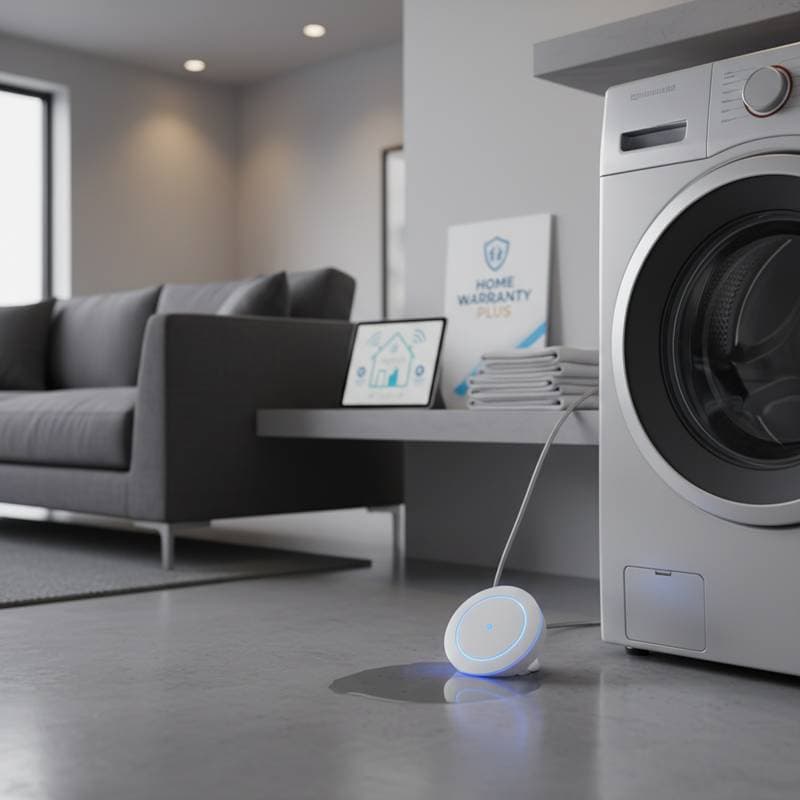
Smart leak detectors identify water presence, humidity fluctuations, or potential freezing conditions. They link to home Wi-Fi networks and deliver notifications directly to smartphones via dedicated applications. Certain models sync with voice assistants such as Alexa or Google Home for seamless integration. Placement options include areas under sinks, adjacent to washing machines, beside water heaters, or along basement perimeters.
Advanced models incorporate capabilities like:
- Real-time notifications delivered through mobile applications
- Integration with automatic shut-off valves to halt water supply
- Monitoring of temperature and humidity levels to avert mold development
- Options for battery-powered or plug-in configurations to accommodate various locations
Such functionalities position these devices as proactive safeguards against water-related damage, a prevalent and financially burdensome home concern.
Reasons Homeowners Adopt Smart Leak Detectors
Water leaks often begin subtly but escalate to substantial structural harm if undetected. A minor seepage within a wall can degrade wooden elements, compromise drywall integrity, and foster mold proliferation. Industry data indicates water damage ranks among the leading causes of insurance claims annually. Remediation for even minimal water accumulation frequently exceeds several thousand dollars.
These detectors mitigate such hazards by facilitating early intervention. Homeowners typically deploy them:
- In vulnerable zones, including basements and bathrooms.
- For remote oversight of secondary residences or leased properties.
- To qualify for insurance premium reductions, as select providers incentivize preventive measures.
Operations of Home Warranties
Home warranties address repairs or replacements for systems and appliances that malfunction due to standard usage and aging. Coverage encompasses plumbing, heating and cooling systems, electrical components, and principal household appliances. These plans complement, rather than substitute, home insurance policies, emphasizing functional breakdowns over comprehensive property protection.
Standard inclusions feature:
- Plumbing elements such as pipes, fixtures, and water heaters
- Appliances including laundry machines, dishwashers, and cooling units
- Supplementary options for elements like septic systems or swimming pools
Upon a failure, policyholders submit a claim, cover a designated service charge, and receive assistance from a certified professional for covered repairs or substitutions.
Coverage for Smart Leak Detectors Under Home Warranties
Typically, home warranties exclude smart leak detectors from direct coverage. Providers classify these units as supplementary accessories rather than essential systems or appliances. Protection applies to the underlying plumbing infrastructure the detectors observe, excluding the surveillance equipment itself.
Nevertheless, if a leak damages a warrantied item, such as a pipe or heating unit, repairs to that component may qualify. The distinction lies in addressing mechanical malfunctions versus electronic monitoring tools.
Consider these scenarios:
- A fractured valve on a water heater prompts a leak; warranty benefits may fund the valve correction.
- An alert from the smart detector highlights the issue, yet the device remains uncovered.
- Malfunction of the detector necessitates personal funding for its replacement.
Scenarios Where Related Coverage Applies
Certain warranty providers now incorporate water damage safeguards or smart home provisions within elevated service tiers. These enhancements might not encompass the detector outright but offer advantages including:
- Compensation for water extraction following failures in covered systems
- Incentives for smart device acquisitions via affiliated initiatives
- Broader protections for electronics associated with plumbing automation
Policyholders should examine their contracts or consult providers directly. Inquire about smart home endorsements or elective expansions that address leak sensors or networked apparatuses.
Strategies to Safeguard Your Home and Reduce Repair Expenses
Smart leak detectors represent a prudent expenditure, even absent explicit warranty inclusion, by averting scenarios that trigger claims. To optimize their effectiveness, implement these measures:
- Position detectors near all water entry points, particularly beneath sinks, adjacent to lavatories, by water heaters, and within basements.
- Conduct monthly verifications to assess application connectivity and power status.
- Combine detectors with auto-shutoff mechanisms to contain leaks promptly.
- Maintain organized records of warranty and insurance documents for efficient claim processing upon detection.
- Annually evaluate your warranty terms, as providers periodically introduce technology-inclusive options.
Maintenance and Safety Protocols
Adhere to established protocols during installation and upkeep of smart leak detectors. Handle electronic components with dry hands in proximity to water sources. Position units to avoid prolonged submersion, which could impair sensor functionality. Steer clear of direct solar exposure or excessive thermal conditions.
For battery-dependent models, schedule yearly replacements. With corded variants, ensure wiring and connections stay arid and stable. Consistent care promotes reliable performance and extends operational longevity.
Illustrative Case Study
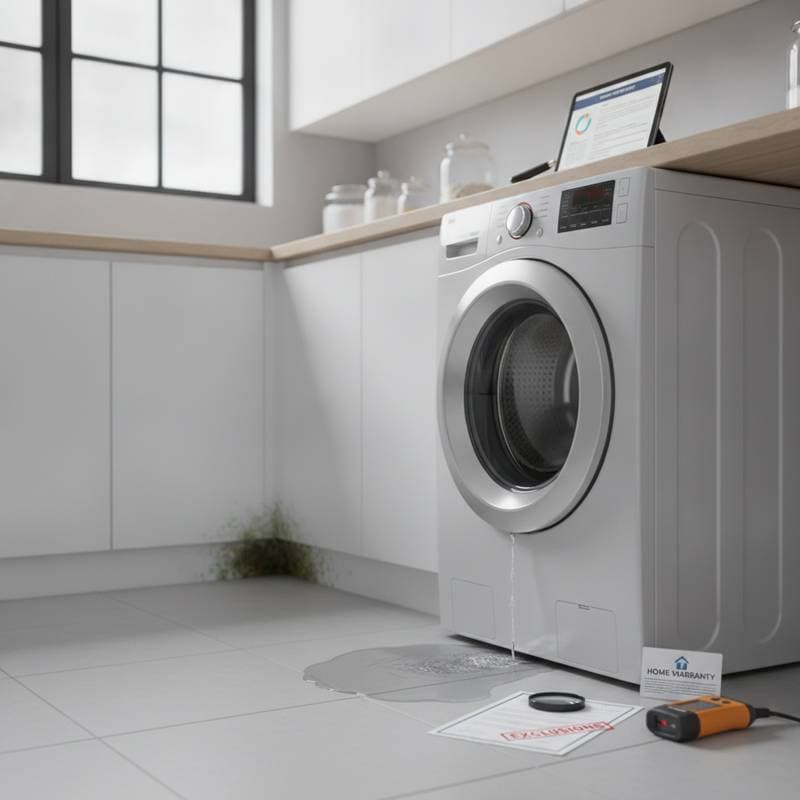
A suburban homeowner deployed five smart leak detectors throughout their residence. During nighttime hours, one unit notified of moisture accumulation near the laundry area. Investigation revealed an incipient hose breach on the washing machine. Prompt response prevented extensive subfloor impairment. Subsequently, the home warranty facilitated repair of the appliance's valve as a plumbing system element, though the detector incurred no coverage.
This instance demonstrates synergistic operation: detectors enable prevention, while warranties manage corrective actions.
Frequently Asked Questions on Smart Leak Detector Coverage
Is a combination of home warranty and smart leak detectors necessary?
Home warranties facilitate system restorations, whereas detectors enable preemptive damage avoidance.
Does home insurance address leak-induced water damage?
Policies generally protect against abrupt or unintended water events, excluding progressive seepages. Detectors assist in documenting incident timelines to bolster claims.
Are smart home additions available for warranties?
Various providers extend optional riders for interconnected devices. Verify if your plan features smart home or electronic safeguards.
Integrating Technology and Protection for Lasting Home Security
By aligning smart leak detectors with comprehensive warranty and insurance strategies, homeowners achieve robust defense against water threats. This integrated approach not only curtails immediate risks but also fosters long-term financial stability. Evaluate your current setup today to ensure optimal coverage and device utilization, securing peace of mind for your living space.