Sump Pump Failures and Home Warranty Coverage Limits
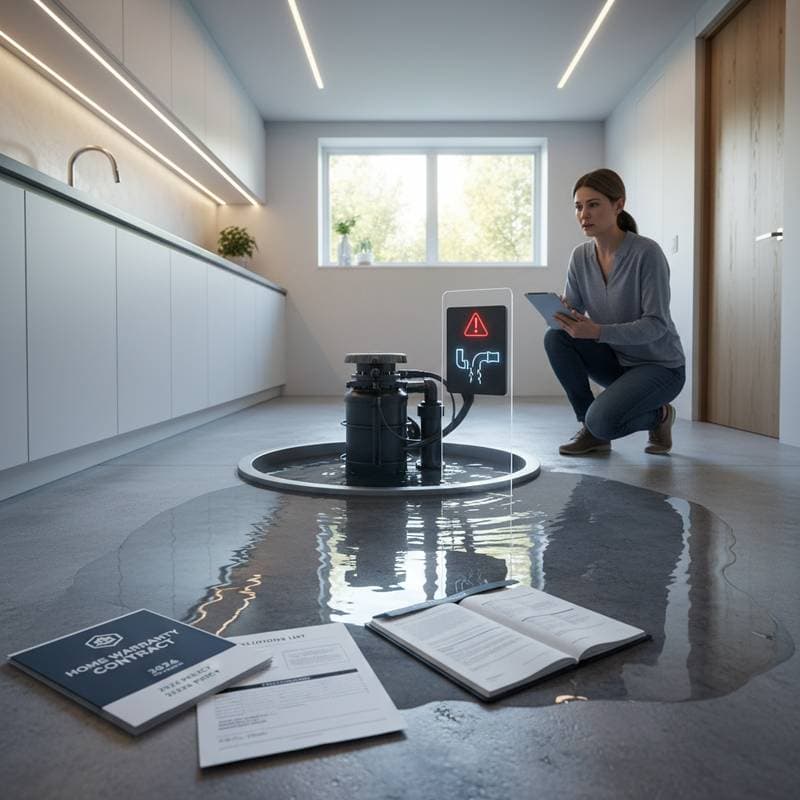
Sump pump failures pose a significant risk to homeowners, particularly in areas prone to heavy rainfall or high water tables. These devices serve as critical barriers against basement flooding, yet their breakdowns can result in extensive water damage and repair costs. Home warranties offer potential protection for mechanical issues, but coverage in 2026 hinges on specific contract terms, proper maintenance, and adherence to exclusions. This guide examines common failure causes, warranty limitations, and strategies to safeguard your home.
Common Exclusions in Sump Pump Coverage
Home warranties address mechanical breakdowns of the sump pump itself, but they do not function as flood insurance. Coverage typically excludes damage from external events or neglect, leaving homeowners responsible for those scenarios. Understanding these boundaries prevents unexpected denials during claims.
Here are key exclusions that frequently catch homeowners off guard:
- External causes: Power outages, lightning strikes, storm surges, or other natural disasters fall outside standard coverage.
- Improper installation: Pumps or discharge lines installed without professional oversight may void the policy entirely.
- Secondary damage: Repairs to affected areas like flooring, walls, or personal belongings remain the homeowner's responsibility.
- Neglect or misuse: Failure to perform required maintenance or selecting an unsuitable pump model can lead to claim rejections.
- Backups or overflows: Extreme weather events overwhelming the pump's capacity do not qualify for reimbursement.
A homeowner on Quora reported a denied claim due to a clogged sump pit from debris buildup. The provider classified the issue as lack of maintenance, underscoring the need for diligent upkeep to maintain eligibility.
These provisions emphasize that warranties protect the equipment, not the consequences of its malfunction. Homeowners benefit from reviewing policy details annually to align expectations with actual protections.
Cost Considerations and Claim Values
Replacing a sump pump involves expenses that vary by factors such as model type, horsepower rating, and installation demands. Basic units start at around $200, while advanced models with higher capacity exceed $1,000, including labor. Access challenges, like confined spaces or electrical upgrades, further inflate totals.
Home warranties mitigate these outlays through defined service fees, often $50 to $100 per incident. For an $800 replacement under a $1,000 limit, the policy covers most costs after the fee. Exclusions, however, shift full responsibility to the owner, amplifying financial impact.
Reports from sources like Forbes Home and HomeAdvisor highlight that battery backup systems prolong pump longevity and minimize claims. Initial investments of $300 to $600 yield long-term savings by ensuring operation during outages, reducing total failure risks.
Homeowners in flood-vulnerable zones should weigh these costs against potential flood damages, which often surpass $10,000. Selecting a warranty with robust sump pump inclusions proves essential for balanced protection.
Steps to File a Home Warranty Claim for a Sump Pump
Prompt action improves claim success rates when a sump pump malfunctions. Systematic documentation and policy review form the foundation of a strong submission. Follow these structured steps to navigate the process efficiently.
- Document the issue: Capture photographs of the sump pit, float switch, and any evident damage for evidence.
- Check power and reset the breaker: Verify electrical functionality, as simple outages account for many false alarms.
- Review your warranty plan: Confirm sump pump inclusion and review maintenance obligations outlined in the contract.
- Contact your warranty provider: Describe the malfunction clearly and schedule a technician visit promptly.
- Keep records: Retain all emails, receipts, and reports to support your case if disputes arise.
Providers dispatch certified technicians for on-site assessments. Covered failures result in repairs or replacements at minimal additional cost. Non-covered issues require payment of the service fee plus full repair expenses.
Timing matters; file claims within policy timelines, typically 30 days of discovery, to avoid lapses. This approach not only resolves issues but also builds a history of compliance for future interactions.
DIY Troubleshooting Before Filing a Claim
Simple diagnostics can resolve minor sump pump problems without professional intervention. These checks confirm whether a true failure exists or if an easy fix applies. Proceed cautiously to prevent further damage.
- Check the float switch: Ensure it operates smoothly without sticking or binding from debris.
- Inspect the discharge pipe: Clear any blockages, kinks, or ice buildup that impede water flow.
- Clean the sump pit: Remove accumulated sediment, leaves, or dirt to restore normal function.
- Test the outlet: Connect a different appliance to rule out power supply problems.
- Run a manual test: Add water to the pit and observe activation; note any unusual noises or lack of response.
If the pump fails to engage, disconnect power immediately to safeguard the motor. Record observations in detail before proceeding to a claim. These steps often identify issues like loose connections, saving time and fees.
Homeowners equipped with basic tools gain confidence in managing routine checks. Regular practice familiarizes users with normal operation, enabling quicker identification of anomalies.
When to Hire a Professional
Certain sump pump problems demand expert intervention for safety and effectiveness. Electrical complications, seized motors, or recurring floods exceed DIY capabilities. Professionals ensure adherence to codes and uncover hidden issues.
Inspection fees range from $100 to $200, providing value through comprehensive evaluations. Technicians assess factors like foundation integrity or grading problems that contribute to failures. They may suggest upgrades, such as high-volume pumps for larger homes or those with clay soils.
Warranty terms often mandate approved contractors for covered work; independent hires risk policy invalidation. Select licensed plumbers or waterproofing experts with sump pump experience. Post-service, request detailed reports to integrate into maintenance logs.
In regions with strict regulations, professional involvement prevents liability issues. This proactive step extends system reliability and aligns with warranty requirements.
Preventing Future Issues
Consistent maintenance routines fortify sump pumps against breakdowns and preserve warranty validity. A structured schedule addresses wear points before they escalate. Homeowners who prioritize this practice avoid common pitfalls.
- Quarterly: Clear the pit of debris and inspect components for early wear signs.
- Twice yearly: Simulate operation by adding water to verify activation and flow.
- Annually: Swap the check valve, examine the cord for frays, and trace the discharge line for integrity.
- After major storms: Test functionality and recharge battery backups if equipped.
A LinkedIn user described installing a water-powered backup that averted $5,000 in damages during a deluge. Such enhancements, costing $400 to $800, deliver reliability when primary units falter. Integrate alarms or remote monitoring for added vigilance in high-risk areas.
Tailor schedules to local climate; wetter regions may require more frequent attention. This investment in prevention yields peace of mind and financial security.
Comparing Home Warranty and Home Insurance
Confusion often arises between home warranties and insurance regarding sump pump protection. Warranties target internal mechanical failures, while insurance addresses sudden external perils like pipe bursts. Neither fully overlaps, prompting many to layer both for comprehensive coverage.
Insurance reimburses flood damages from covered events but excludes gradual wear. Warranties handle pump repairs yet omit property restoration. For basements at risk, supplemental water backup riders on insurance policies bridge gaps, typically adding $50 to $100 annually.
Evaluate your home's vulnerabilities to choose appropriately. In flood zones, federal flood insurance via FEMA complements private options. This dual strategy safeguards both equipment and structure effectively.
Strengthening Your Home's Flood Defenses
Sump pumps demand ongoing attention to fulfill their protective role. Familiarity with warranty nuances equips homeowners to handle claims confidently and maintain systems proactively. Store contract copies and service histories in an accessible file for reference.
In water-threatened areas, view the sump pump as a cornerstone of resilience, not a mere fixture. Diligent care transforms potential crises into manageable events, preserving your home's value and livability.