Understanding Greywater Systems and Their Benefits
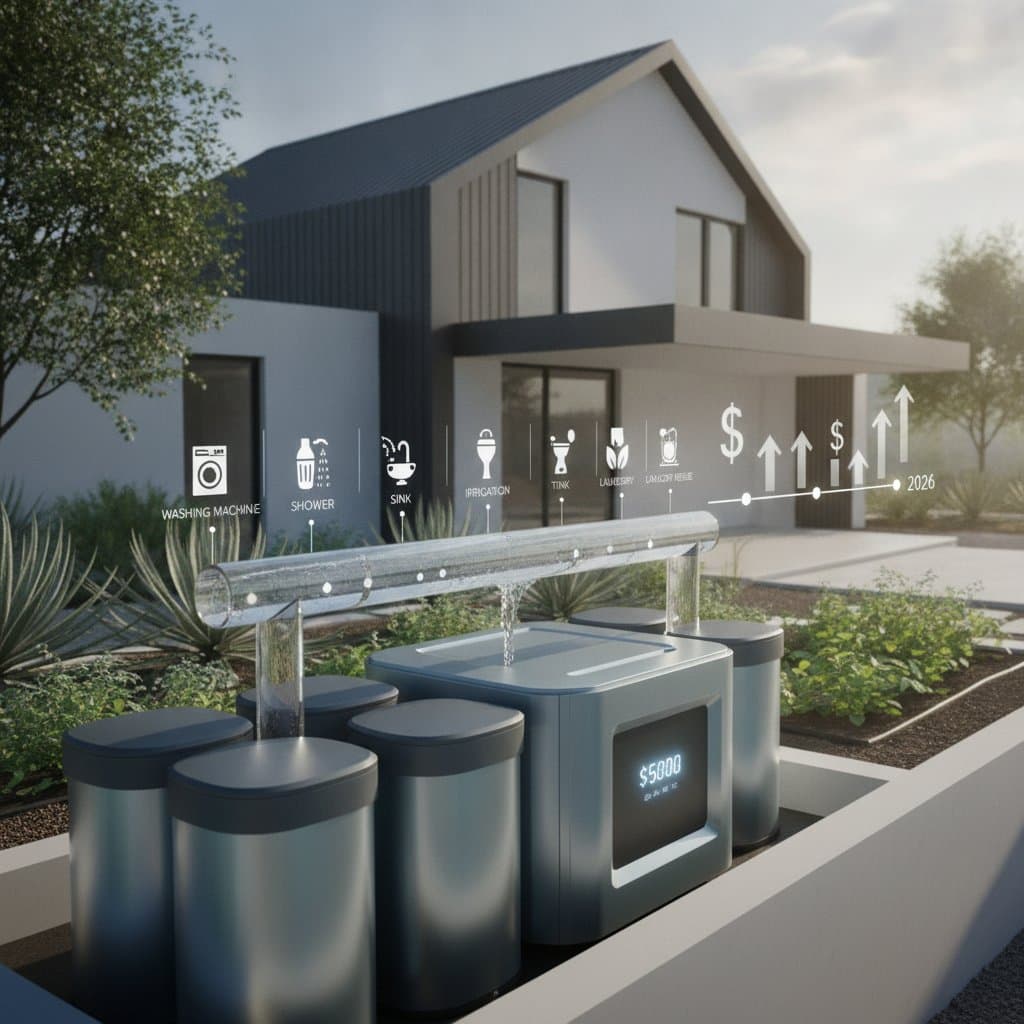
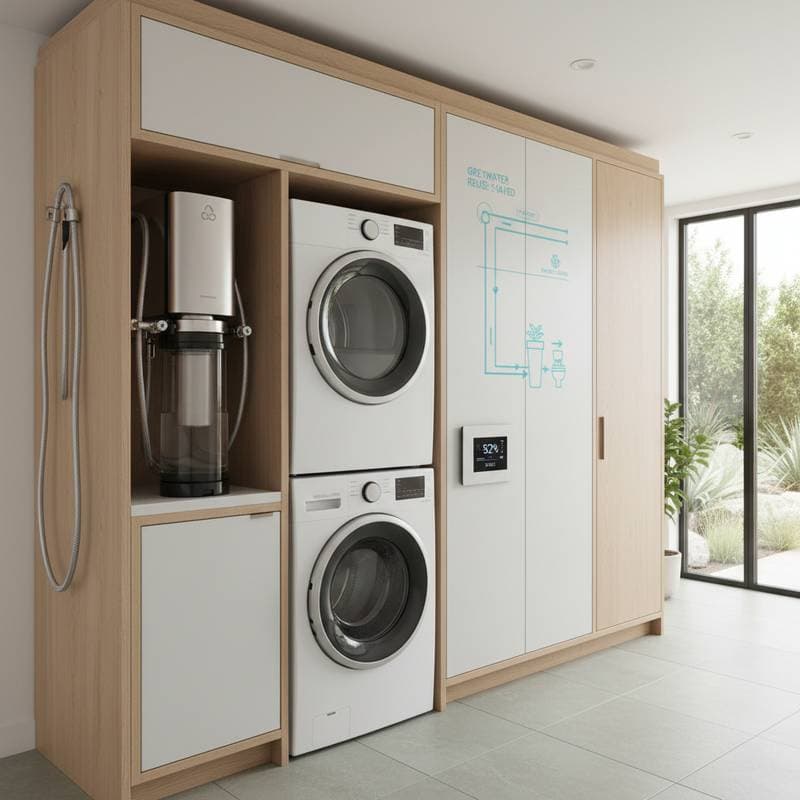
Greywater refers to wastewater generated from household activities such as bathing, washing dishes, and doing laundry. These systems collect and treat this water for reuse in non-potable applications like irrigation or toilet flushing. By diverting greywater from the sewer system, homeowners can reuse up to 50 percent of their total wastewater output, leading to lower water bills and reduced strain on municipal supplies.
Implementing a greywater system aligns with sustainable living practices. Such installations conserve freshwater resources and minimize environmental impact from wastewater discharge. Homeowners often report annual savings of several hundred dollars, depending on local utility rates and system efficiency.
The potential for property value appreciation adds another layer of appeal. Eco-friendly features attract buyers interested in green homes. With proper design, these systems integrate seamlessly into existing infrastructure.
Factors Influencing Return on Investment
Several key elements determine the financial viability of a greywater system. Water demand plays a central role; households with multiple occupants or extensive landscaping requirements achieve quicker payback periods. High irrigation needs amplify the volume of reusable water, accelerating cost recovery.
Plumbing configuration affects installation feasibility and expense. Properties with readily accessible pipes and sufficient crawl space simplify retrofitting processes. In contrast, complex layouts may necessitate professional modifications, increasing upfront costs.
Filtration methods vary in performance and price. Basic mechanical filters provide affordable entry points but demand regular cleaning to maintain effectiveness. Advanced biological or membrane systems, though more expensive initially, offer superior longevity and reduced maintenance intervals.
Storage capacity influences system scale. Larger tanks accommodate greater volumes of greywater, supporting broader applications. However, they require additional space and higher investment, suitable for larger properties.
Automation features enhance operational efficiency. Smart controllers monitor water levels and usage patterns, optimizing distribution. While they elevate initial expenses, these technologies prevent waste and extend system lifespan.
Adapting to Local Conditions
Seasonal and climatic factors shape system performance. In regions with abundant rainfall or cooler temperatures, outdoor irrigation demands decrease, limiting greywater utilization. Owners in such areas benefit from designs that redirect water to indoor uses, such as flushing toilets.
Site-specific assessments ensure optimal setup. Soil type, yard size, and existing drainage patterns inform customization choices. Consulting local experts helps tailor systems to maximize reuse potential year-round.
Integration with broader water management strategies amplifies benefits. Pairing greywater with drought-resistant plants or efficient irrigation timers further conserves resources. This holistic approach enhances overall household water efficiency.
Maintenance and Longevity
Consistent upkeep ensures greywater systems operate safely and effectively. Inspect filters every two to three months to clear debris like lint or soap residue. Flush tanks and pipes quarterly to avoid sediment accumulation.
Annual testing of pumps and sensors prevents unexpected failures. Professional servicing addresses any wear on components. These routines safeguard water quality and system reliability.
Well-maintained units endure 15 to 20 years with minimal issues. Replacement parts, including filters and valves, remain budget-friendly at under $100 annually. Manufacturers often provide service plans that cover inspections and cleanings, easing ownership responsibilities.
Incentives and Rebates
Local governments and utilities frequently support greywater adoption through financial aid. Rebates typically offset 10 to 30 percent of installation expenses. Tax credits may apply in certain jurisdictions, reducing net costs.
Homeowners access these opportunities via water district websites or environmental agencies. Many programs include complimentary evaluations to assess property compatibility. Staying informed about updates ensures eligibility.
Bundling greywater with complementary upgrades qualifies for enhanced incentives. Low-flow showerheads, efficient toilets, or rainwater collection systems often pair well. This combination lowers overall water consumption and boosts rebate potential.
Safeguarding Your Greywater System
Protecting a greywater investment requires proactive measures. Schedule maintenance appointments biannually to catch issues early. Monitor utility statements monthly to quantify savings and adjust usage as needed.
Follow manufacturer guidelines for filter and sensor replacements. Maintain detailed records of all servicing for warranty claims and resale documentation. These steps preserve performance and value.
A functional greywater system slashes household water consumption by nearly 50 percent. It generates ongoing savings, elevates property desirability among environmentally aware purchasers, and fosters a model of resource-conscious living. Thoughtful installation, partnered with diligent care, yields enduring financial and ecological rewards.