2026 Greywater Costs: Permits and Savings Breakdown
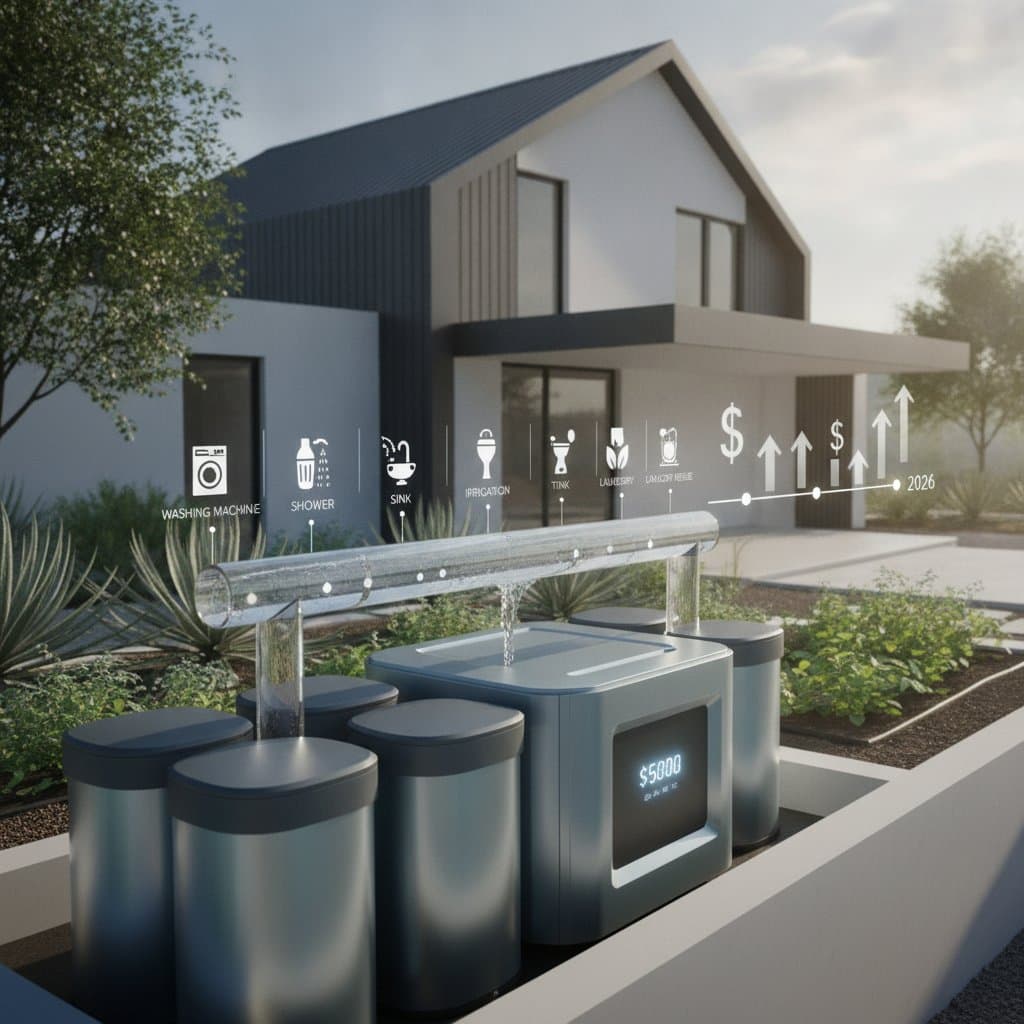
Greywater systems attract homeowners seeking to lower utility expenses and safeguard local water supplies. These systems collect water from sources like showers, bathroom sinks, and laundry machines for reuse in irrigation or toilet flushing. The environmental advantages stand out, yet the economic aspects demand careful examination. Grasping the actual expenses, permitting processes, and prospective savings enables homeowners to determine the value of such an investment.
This guide details key expense categories, such as installation, design, permits, and ongoing upkeep. It further analyzes anticipated savings and advises on selecting professional installation over a do it yourself approach.
Typical Greywater System Costs
Prices for greywater systems vary based on the system variety, home configuration, and regional rules. The following outlines costs for a typical single-family residence.
Simple Laundry-to-Landscape System
- Average cost: $700 to $2,500
- Do it yourself potential: High
- Installation time: 1 to 2 days
- Maintenance: Minimal, focused on cleaning lint filters
This configuration channels laundry water directly to outdoor plants. It involves straightforward plumbing adjustments and suits properties with modest yards. Homeowners frequently complete installation using affordable kits available from plumbing retailers, following step-by-step instructions to connect hoses and ensure proper drainage.
Branched Drain or Gravity System
- Average cost: $2,500 to $6,000
- Do it yourself potential: Moderate
- Installation time: 2 to 5 days
- Maintenance: Annual cleaning and seasonal inspections
These setups manage water from various fixtures, including showers and sinks. Gravity propels the water through subsurface pipes, necessitating a precise slope for effective flow. Homeowners may need to adjust landscaping to achieve this slope, such as excavating trenches and backfilling with gravel for stability.
Pumped and Filtered System
- Average cost: $6,000 to $15,000
- Do it yourself potential: Low
- Installation time: 1 to 2 weeks
- Maintenance: Regular filter changes and pump maintenance
This sophisticated variant processes greywater for indoor applications, such as toilet flushing. It incorporates pumps, filtration devices, and holding tanks. Professionals must design and install these to adhere to building codes, including electrical wiring for pumps and plumbing for treated water distribution.
Professional Installation vs. Do It Yourself
Homeowners weigh the merits of professional services against self-installation. The optimal path hinges on technical expertise, regulatory demands, and system intricacy.
When Do It Yourself Makes Sense
Opt for a do it yourself approach with a basic laundry-to-landscape system if you possess foundational plumbing skills. Numerous online resources and pre-packaged kits guide the process, from selecting materials to testing connections. This method cuts labor expenses by 30 to 50 percent. Compliance with local codes remains essential, particularly to avoid any risk of contaminating drinking water supplies through improper piping.
When to Hire a Professional
Engage a licensed plumber or greywater expert for systems featuring pumps, filters, or tanks. Specialists manage the design phase, secure necessary permits, and conduct performance tests to satisfy health regulations. They also refine water pathways to minimize odors and blockages. Expect professional services to increase overall expenses by $1,500 to $4,000, offset by reliability, warranties, and avoidance of costly errors.
Expected Savings and Payback Period
Greywater systems diminish outdoor water consumption by repurposing household wastewater. The extent of savings depends on regional climate, landscape scale, and utility rates.
Typical Water Savings
- Low demand homes: 10 to 20 percent reduction
- Average households: 25 to 40 percent reduction
- High-efficiency systems: Up to 50 percent reduction
In a standard home with balanced landscaping, annual water bill reductions may span $200 to $700. Payback timelines typically fall between 5 and 10 years, influenced by initial outlay and local pricing structures. Track monthly usage before and after installation to measure precise impacts.
Factors That Increase Savings
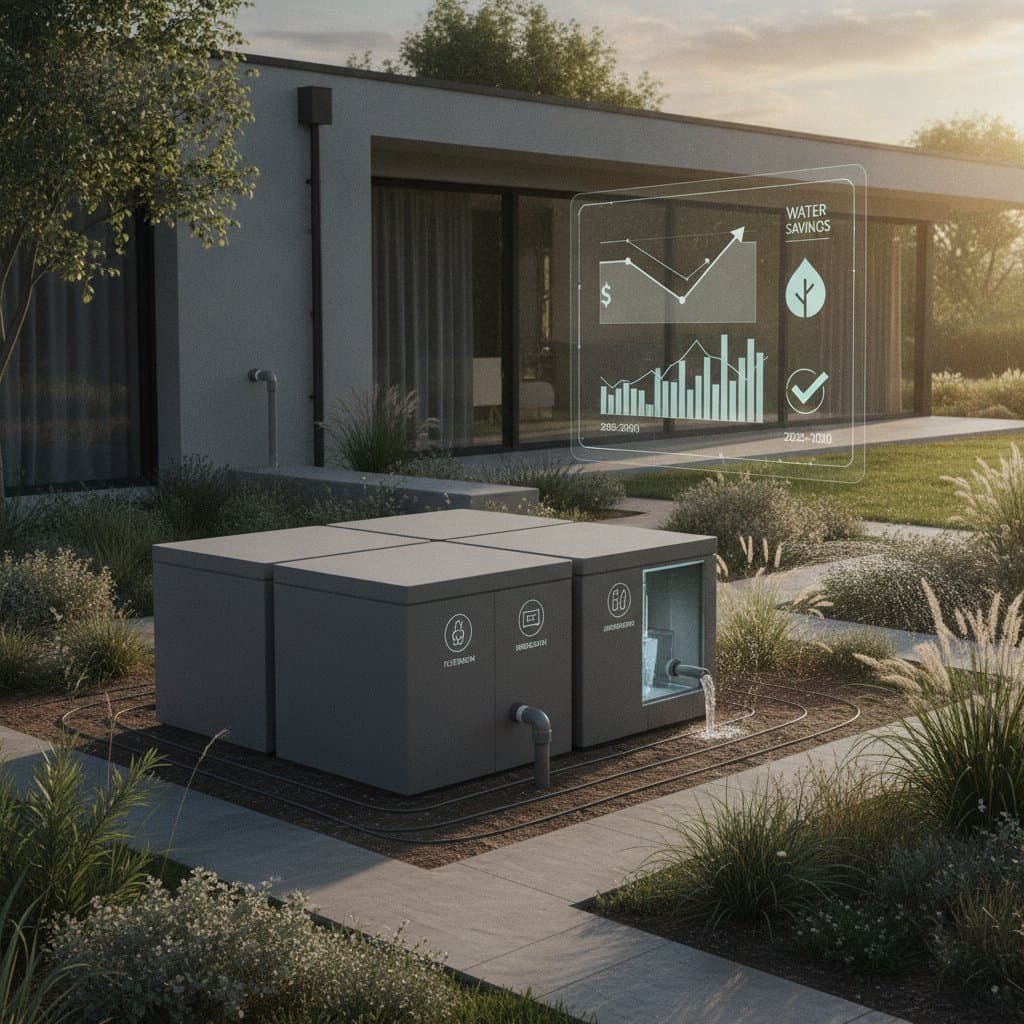
Savings amplify with expansive gardens or lawns that demand irrigation. Elevated water rates in arid regions accelerate returns. Pairing the system with drought-resistant vegetation enhances efficiency. Combining greywater with rainwater collection or low-flow appliances yields compounded benefits. In rebate-eligible areas, incentives can shorten payback by years through direct cost reductions.
Common Installation Challenges
Greywater initiatives often encounter obstacles that inflate budgets or extend timelines. Anticipating these issues supports thorough planning.
Plumbing Access
In older structures, plumbing configurations may complicate water diversion. Buried or walled pipes demand extensive rerouting, potentially adding $1,000 or more in labor fees. Survey your home's layout early, consulting blueprints or using inspection tools to identify access points.
Space for Tanks and Filters
Systems intended for indoor reuse require room for sizable storage tanks. Basements or outdoor sheds serve as viable locations. Space constraints might limit capacity, so measure available areas and select compact models accordingly.
Soil and Drainage
Soil composition affects greywater absorption rates. Clay-rich soils necessitate enhanced drainage solutions, like gravel-filled trenches. Conduct a percolation test, costing $100 to $300, to assess suitability and guide modifications for optimal performance.
Local Restrictions
Certain jurisdictions ban greywater use near edible crops or mandate setbacks from wells and boundaries. Research applicable codes via municipal websites or planning offices prior to purchase. Non-compliance risks fines or system removal.
Regional Incentives and Rebates
Utilities and governments frequently support greywater adoption via financial aids. These programs alleviate initial investments and foster eco-friendly habits.
- Municipal rebates: $200 to $2,000, scaled by system scope and locale
- Tax credits: Deductions available in select regions for conservation technologies
- Low-interest loans: Eco-financing options that ease upfront payments
Contact your water district or environmental agency to identify current offerings. Many require documentation of professional installation and system certification for eligibility.
Maintaining Your Investment
Proper upkeep ensures greywater systems deliver enduring value. Maintain a yearly record of utility statements to evaluate efficiency. Examine distribution areas seasonally for uniform coverage and clear any debris promptly.
Adhere to filter replacement schedules and monitor for sediment accumulation at discharge points. Consistent attention results in reliable operation, vibrant landscapes, and elevated home appeal. Over years, these efforts translate to substantial bill reductions and enhanced resource stewardship.
Evaluating Greywater for Your Home
Assess greywater viability by calculating your household water profile and local rates. Consult experts for site-specific advice and explore hybrid systems for broader impact. With informed planning, permits in hand, and diligent maintenance, greywater integration proves a strategic move for cost control and environmental responsibility.