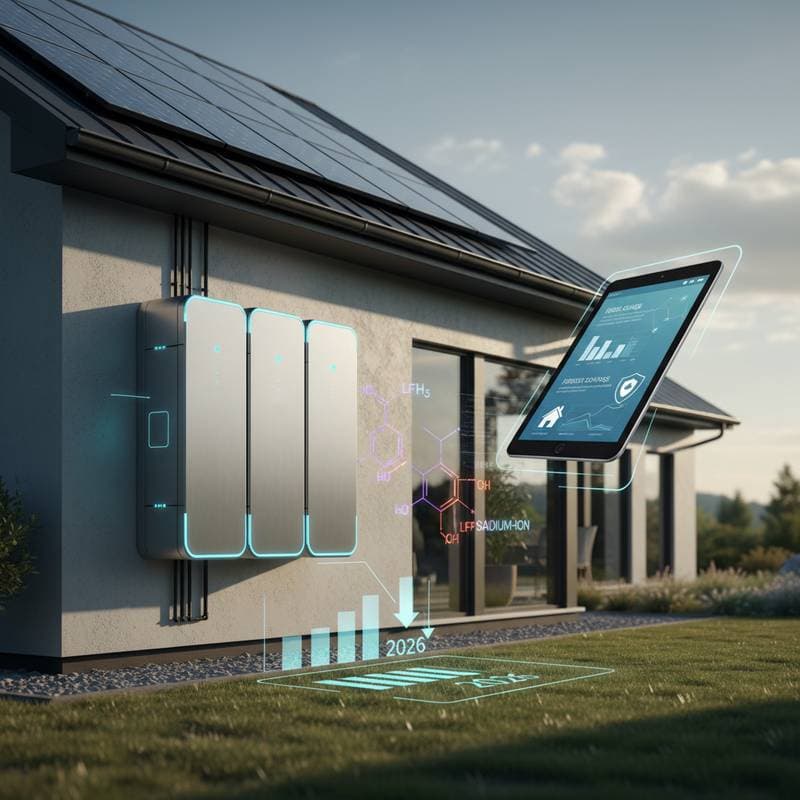
The Future of Home Power: 2026 Standalone Battery Costs
Homeowners increasingly seek reliable ways to store and manage electricity amid rising energy prices and frequent weather disruptions. Standalone battery systems capture this demand by enabling independent energy storage, which delivers backup power during grid outages and optimizes daily usage. Projections for 2026 highlight substantial cost reductions, advanced materials, and intelligent management features that position these systems as essential upgrades for residential resilience.
Functions of a Standalone Battery System
A standalone home battery system stores electrical energy for on-demand release, operating either in tandem with the grid or entirely independently. Distinct from solar-integrated batteries, these units draw power from the grid during off-peak pricing or alternative renewables such as compact wind turbines. The system discharges stored energy during peak rates, high demand, or blackouts to maintain household operations.
Core elements consist of the battery module, inverter for power conversion, and a control system that regulates charging and discharging cycles. These components support critical loads like refrigeration, illumination, and climate control, or scale to power an entire residence based on capacity. This adaptability appeals to those prioritizing energy autonomy and operational reliability.
Key Drivers of Cost Reductions
Advancements in manufacturing processes, battery chemistries, and supply chains have steadily lowered costs. Reports from Wood Mackenzie and BloombergNEF indicate that lithium-ion battery pack prices have decreased by over eighty percent in the last decade. Although the pace of decline moderates, innovations in lithium iron phosphate (LFP) and solid-state technologies promise further reductions.
Beyond battery cells, total system expenses encompass installation, regulatory approvals, inverters, and software integration. Scaling production and standardizing installation protocols now diminish these ancillary costs. Modular designs facilitate capacity expansions with minimal rewiring, thereby cutting labor requirements and enhancing affordability.
Current Pricing Versus 2026 Projections
Today, installing a standalone home battery system typically costs between ten thousand and twenty thousand dollars, varying by capacity and manufacturer. Compact units for targeted backup or load management start lower, while comprehensive whole-home setups with sophisticated controls command higher prices. Experts forecast a twenty percent drop in per-kilowatt-hour costs by 2026 relative to present levels.
Several dynamics fuel this trajectory:
- Enhanced material utilization: Refinements in electrode compositions boost energy density and durability, yielding more efficient cells.
- Streamlined production: Automation in assembly lines and rigorous quality protocols minimize defects and waste.
- Intensified market rivalry: Emerging competitors pressure incumbents to innovate and reduce prices.
- Policy support: Regional rebates and tax incentives for energy storage spur demand, enabling economies of scale.
Impact of Battery Chemistry on Costs and Performance
Battery chemistry influences not only initial pricing but also safety profiles and operational longevity. Lithium-ion variants dominate, yet specialized types address diverse needs.
- Lithium Iron Phosphate (LFP): These batteries excel in thermal stability and cycle endurance, suiting residential applications. Although energy density lags behind alternatives, extended lifespans lower overall ownership expenses.
- Nickel Manganese Cobalt (NMC): Higher density enables compact designs, though elevated costs and thermal vulnerabilities limit broad appeal in premium configurations.
- Sodium-ion and solid-state options: These nascent technologies offer cost savings and superior safety margins. Pilot initiatives indicate sodium-ion batteries may soon rival lithium-ion for economical home storage.
Research from the National Renewable Energy Laboratory reveals that batteries with prolonged lifespans can slash lifetime costs by up to thirty percent. Homeowners committing to long-term residency benefit most from selecting durable chemistries.
Weighing DIY Against Professional Installation
Certain homeowners explore self-assembly to curb expenses, yet such approaches risk electrical faults, regulatory non-compliance, and invalidated warranties. Certified professionals apply expertise in local codes, precise load assessments, and safety protocols to safeguard installations.
Expert services also enable seamless connections to home automation, solar arrays, or intelligent thermostats, amplifying system efficiency and battery longevity. Numerous providers include service plans featuring remote diagnostics, software enhancements, and routine evaluations.
Essential Maintenance Practices
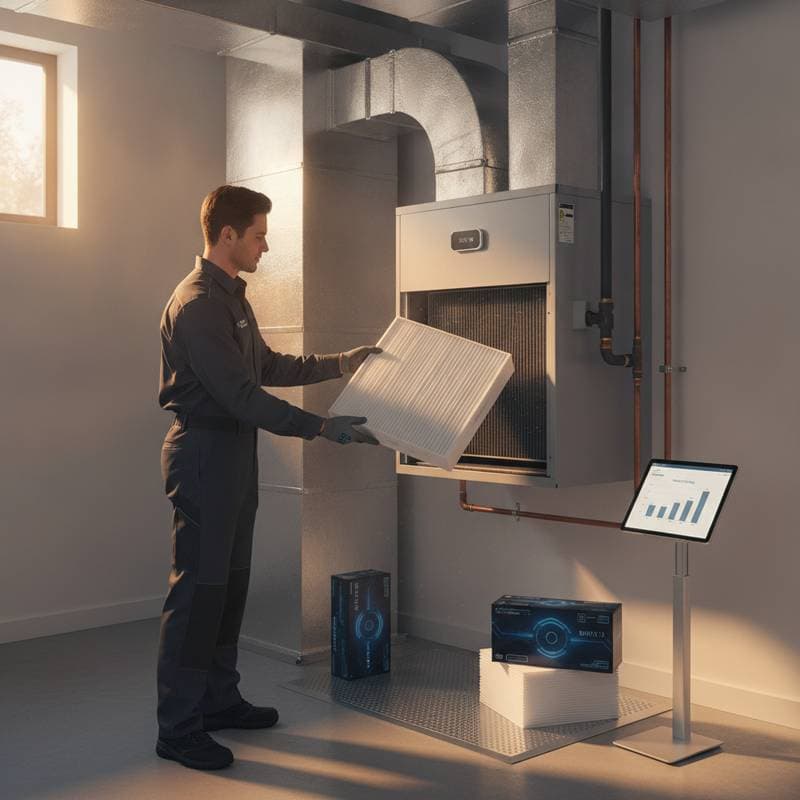
Standalone batteries demand minimal upkeep compared to traditional generators, though regular oversight preserves performance. Owners should routinely review app-based metrics for anomalies, examine enclosures for contaminants or wear, ensure ambient dryness and airflow for optimal cooling, and apply firmware updates to align with grid evolutions.
Premium systems retain eighty percent capacity after ten to fifteen years of service. Declining replacement prices may encourage proactive upgrades to leverage emerging efficiencies.
Quantifying Financial Benefits
Returns from standalone batteries hinge on strategic deployment. In time-of-use pricing zones, charging off-peak and discharging during peaks yields measurable savings. Areas prone to outages derive value from uninterrupted service over immediate monetary gains.
Forbes Home evaluations suggest that battery-equipped residences experience two to five percent property value uplift, particularly alongside renewables. Prospective buyers appreciate these features for their role in curbing ongoing expenses and ensuring dependability.
Backup functionality alone justifies investment by mitigating outage-related damages, such as food spoilage or productivity losses. One extended disruption often recoups multiple years of system costs through averted expenses.
Determining Optimal System Capacity
Battery sizing aligns with specific objectives, from basic resilience to complete autonomy. A five-kilowatt-hour unit sustains essentials like lights and appliances for hours during interruptions. Ten- to fifteen-kilowatt-hour configurations handle typical household demands through standard outages.
Full off-grid capability necessitates over twenty kilowatt-hours. Analyzing historical utility statements reveals consumption trends, guiding balanced sizing for savings and security. Installer-conducted audits provide tailored recommendations based on usage profiles.
Synergies with Renewable Sources
Standalone batteries enhance efficiency sans solar integration by arbitraging grid rates: low-cost charging followed by high-value discharge. Future solar additions allow retrofitting to capture surplus production, avoiding undervalued exports.
Versatile hybrid inverters accommodate solar, grid, and backup generator inputs, promoting source-agnostic operation. This adaptability maximizes returns across evolving energy landscapes.
Emerging Market Dynamics
Analysts anticipate accelerated residential adoption as 2026 costs plummet, embedding storage in new builds akin to standard amenities. Insurers and financiers increasingly classify these assets as risk mitigators, potentially adjusting rates and appraisals favorably.
Global manufacturing expansions stabilize supplies and curb material fluctuations. Leaders like Tesla, Enphase, and LG Energy Solution ramp up output, complemented by niche players emphasizing cost-effective, scalable solutions. Diverse offerings will soon cater to varied household profiles.
Securing Long-Term Energy Resilience
Standalone batteries evolve from optional enhancements to core components of home infrastructure. With accessible pricing, robust technologies, and intelligent controls, they empower homeowners to achieve savings, reliability, and self-sufficiency in an uncertain energy future.