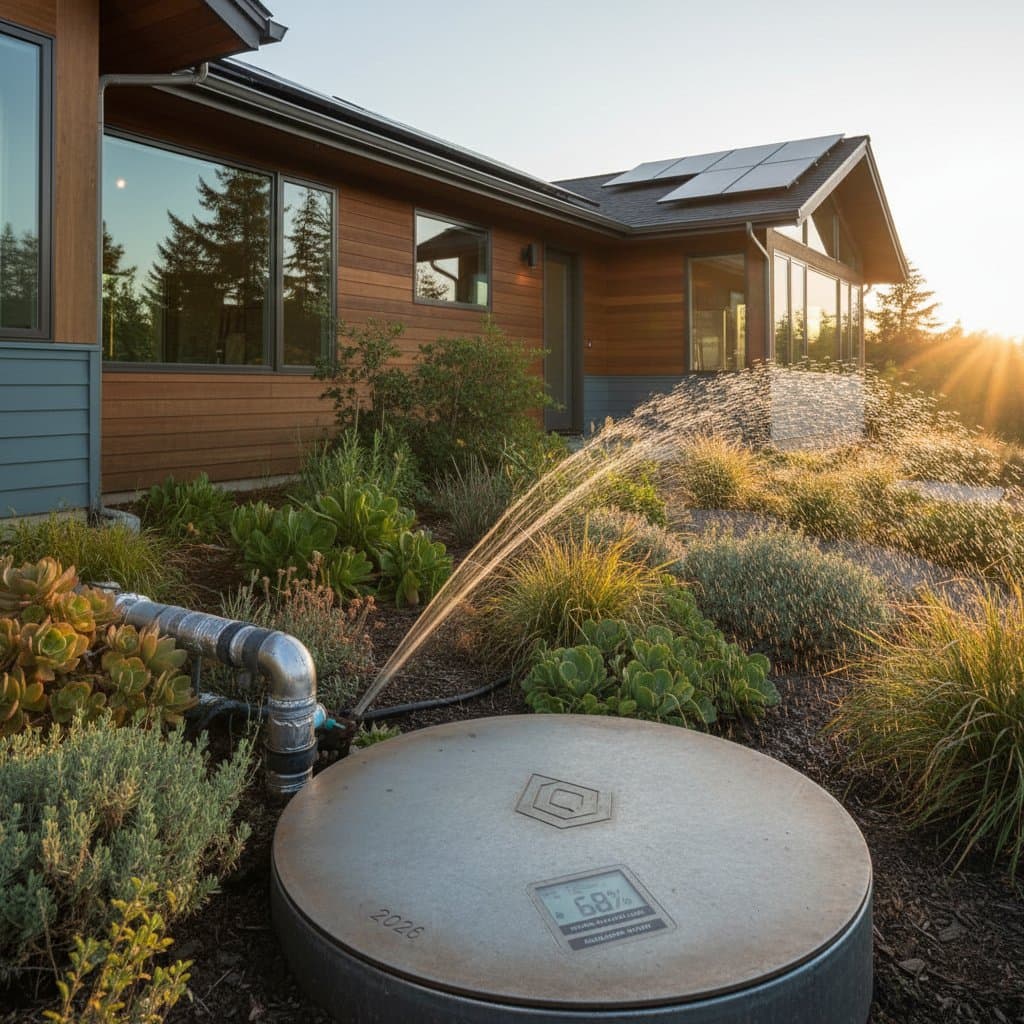
Greywater Systems: Costs, Permits, and Savings
Households consume substantial volumes of water daily, with a significant portion directed to drains after minimal use. Sources such as showers, laundry, and sinks generate greywater, which qualifies for reuse in irrigation or toilet flushing rather than disposal. A greywater system enables safe recycling of this resource, thereby reducing utility expenses and environmental impact. Key considerations include installation expenses, regulatory compliance, and potential financial returns.
This guide details each aspect of greywater implementation to assist in evaluating suitability for specific properties, financial constraints, and ecological objectives.
Functions of Greywater Systems
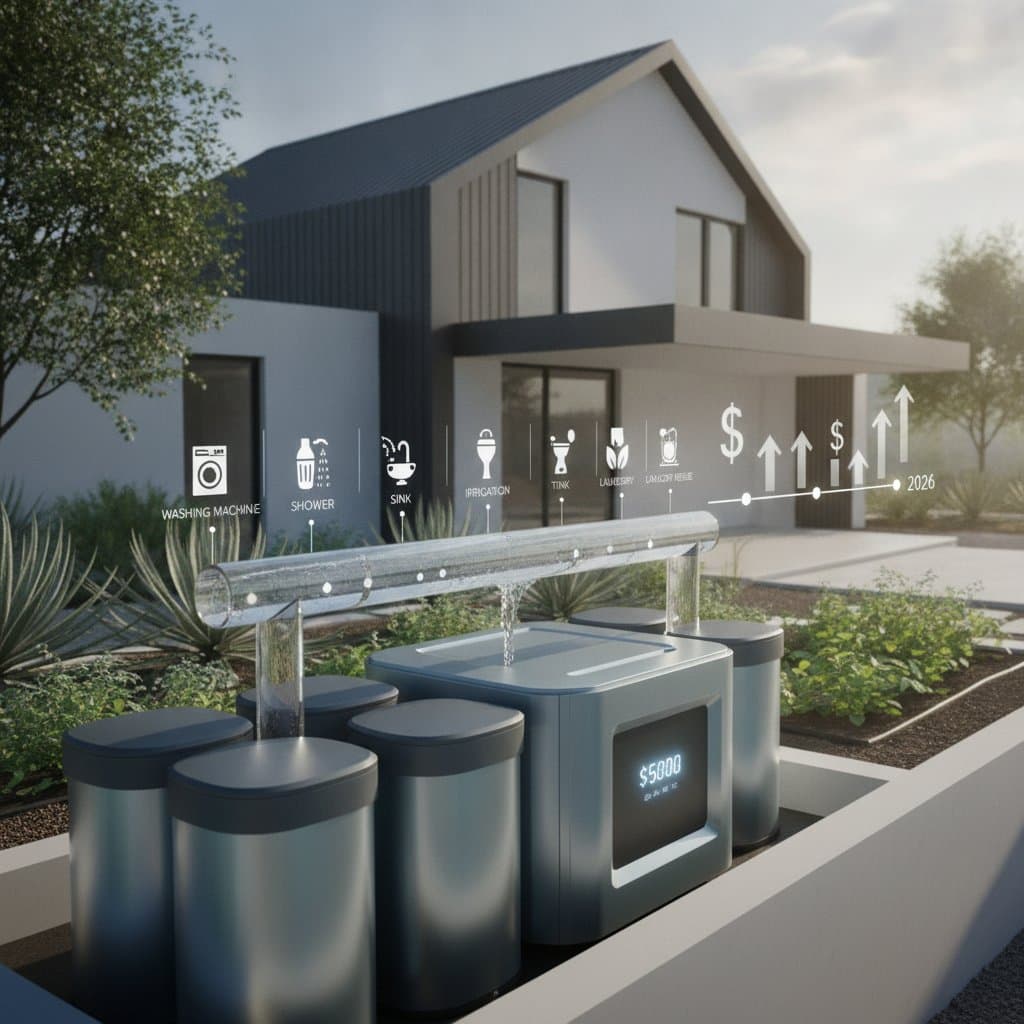
Greywater refers to wastewater from showers, bathtubs, bathroom sinks, and washing machines, excluding toilet or kitchen sink effluents due to higher contamination levels. Such systems collect, treat, and redirect this water for non-drinking purposes like landscape watering.
Primary benefits involve diminishing reliance on fresh water supplies and alleviating pressure on sewage infrastructure. Property owners view these installations as prudent investments that yield economic advantages alongside planetary conservation.
Prevalent System Varieties
| System Type | Primary Application | Standard Capacity | DIY Potential |
|---|---|---|---|
| Laundry-to-Landscape | Channels washing machine output to yard irrigation | 15 to 40 gallons per cycle | Elevated |
| Branched Drain | Routes bathroom and laundry flows to garden zones | 50 to 200 gallons daily | Moderate |
| Tank-Based Filtration | Processes and retains greywater for watering or flushing | 100 to 300 gallons daily | Limited |
| Pumped Mechanical | Transports water in absence of natural downhill flow | Variable, site-dependent | Limited |
Laundry-to-landscape options demand the least effort for setup, whereas tank and pumped configurations necessitate expert involvement in plumbing and wiring.
Installation Expense Analysis
Expenditures for greywater setups vary based on scale, intricacy, and self-performance of tasks.
Overall figures span $800 to $8,000, with typical residential projects ranging from $2,500 to $4,500. Specific estimates include:
- Laundry-to-Landscape: $800 to $2,000
- Branched Drain: $1,500 to $3,000
- Tank-Based Filtration: $3,000 to $6,000
- Pumped or Advanced: $5,000 to $8,000
Expense Escalation Factors
- Plumbing Intricacies: Properties on concrete slabs or with restricted access demand extended labor hours.
- Irrigation Integration: Linking to current setups involves additional components like valves, screens, and anti-backflow mechanisms.
- Storage Reservoirs: Units holding 100 to 300 gallons contribute $500 to $1,200.
- Regulatory Fees: Local authorities may charge $150 to $500 for approvals and reviews.
- Expert Services: Qualified plumbers bill $80 to $150 hourly.
Self-installation offers savings of up to 40 percent, provided gravity facilitates flow and the individual possesses foundational plumbing skills.
Regulatory and Compliance Essentials
Redirecting wastewater demands adherence to jurisdiction-specific rules; most locales mandate permits for drainage alterations.
Standard Approval Criteria
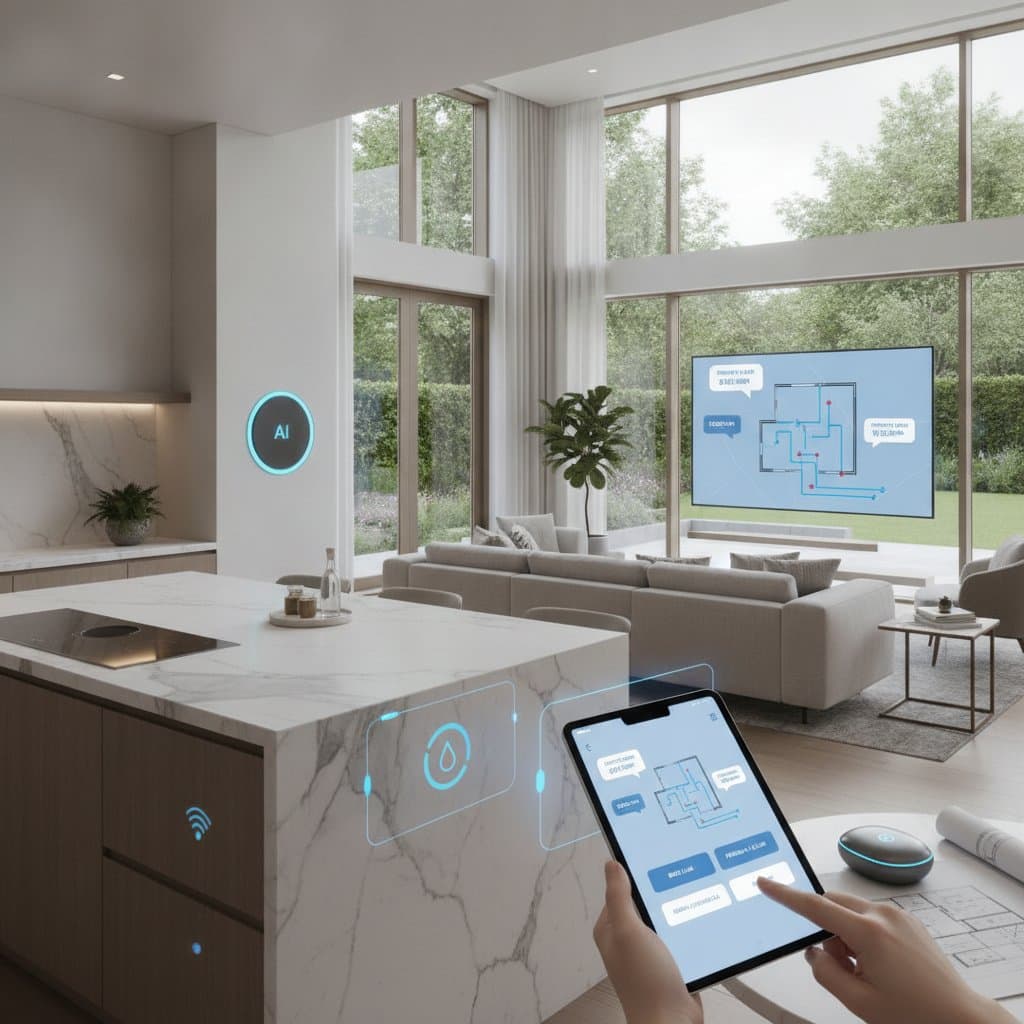
- Submission of detailed schematics depicting pipe paths and output sites.
- Incorporation of safeguards against reverse flow into drinking water lines.
- Adherence to setback distances from boundaries, groundwater sources, or drainage channels.
- Provision of inspection ports for ongoing upkeep.
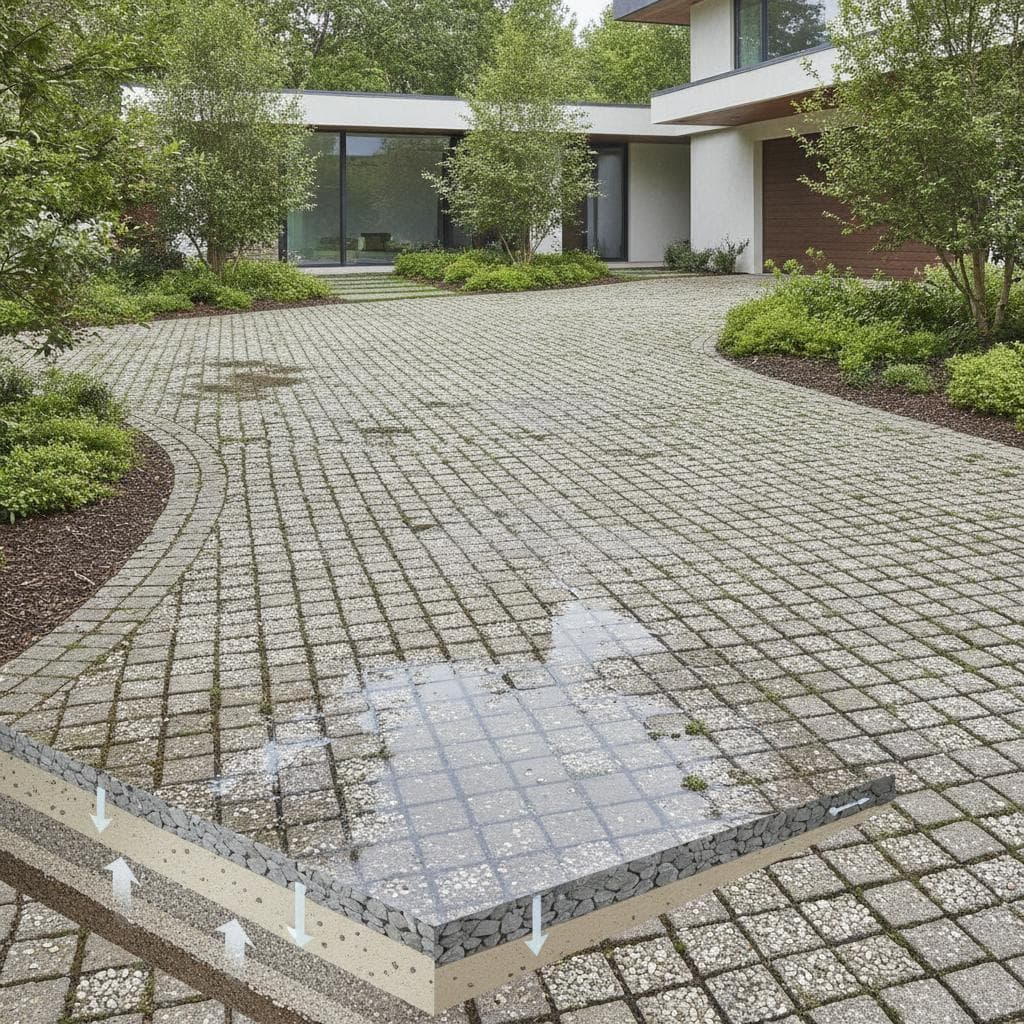
Irrigation endpoints require burial at least 1.5 feet underground to avoid surface pooling. Certain areas restrict applications to non-edible vegetation.
Consultation with bodies like the National Kitchen & Bath Association or regional plumbing officials proves advisable prior to commencement. Non-compliance risks penalties or mandatory dismantling.
Projected Financial Returns
Effective greywater configurations diminish overall water consumption by 25 to 40 percent. For households averaging 200 gallons daily, this equates to 50 to 80 gallons repurposed each day.
Yearly Benefit Projections
- Utility Bill Cuts: $150 to $400
- Sewage Charge Reductions: $100 to $250, where metered by consumption
- Irrigation Demands: Up to 40 percent decrease in sprinkler usage
Return on investment typically occurs within 5 to 8 years for basic models and 8 to 12 years for elaborate ones. Regions facing elevated rates or water scarcity accelerate these timelines.
Supplementary Advantages
Select municipalities provide reimbursements or deductions covering 10 to 30 percent of outlays. Inquire with utility providers or conservation offices regarding available programs.
Self-Installation Versus Professional Assistance
Basic laundry-to-landscape projects suit skilled residents for completion over a weekend. These entail modifying drain hoses, installing diverter mechanisms, and extending tubing outdoors.
Required Equipment and Supplies
- PVC or flexible polyethylene pipes
- Surge diverter valves
- Secure clamps and connectors
- Digging implements for trenches
- Screening sleeves or basin mulches
- Essential plumbing implements (cutters, sealing tape, adjustable wrenches)
For designs incorporating diverse inputs, reservoirs, or propulsion, engage certified plumbers or specialists. Professionals guarantee regulatory alignment, optimal gradients for passive drainage, and adequate purification.
Indicators for Expert Engagement
- Intent to link with lavatories or interior elements
- Necessity for powered pumps or controls
- Challenging topography affecting runoff
- Ambiguity in interpreting ordinances
Expert oversight enhances security and preserves marketability, as flawed systems may discourage prospective purchasers.
Sidestepping Frequent Errors
Conceptual simplicity belies implementation pitfalls without thorough preparation. Property owners commonly encounter:
- Improper Source Blending: Avoid merging kitchen or appliance effluents with cleaner streams.
- Neglecting Gradient Standards: Passive systems demand a 2 percent incline, or 2 inches descent over 8 feet.
- Inappropriate Cleansers: Select formulations low in salts and phosphates to safeguard earth quality.
- Omission of Screening: Coarse meshes block fibers and particles from obstructing conduits.
- Excessive Plant Hydration: Calibrate outputs to match vegetation requirements rather than fixed volumes.
Post-setup corrections prove expensive; thus, meticulous design and preliminary trials remain essential.
Usability and Security Protocols
Design for ease of access during routine checks, positioning controls at convenient elevations without requiring confined navigation. Households including seniors or those with mobility challenges benefit from elevated, annotated valves.
Prioritize hygiene by preventing accumulations or aerosol dispersion near paths. Maintain output zones 10 feet from edges and 50 feet from aquifers or surface waters. For families with young ones or animals, shield collection areas with barriers against unintended exposure.
Implementing Your Greywater Solution
Evaluate property layout and water patterns to select an appropriate system type. Secure necessary approvals early, then proceed with installation suited to skill level. Monitor performance post-setup to optimize savings and sustainability, transforming daily wastewater into a valuable asset for your home and surroundings.