Essential Steps to Prepare Your AC for Summer Efficiency
As temperatures climb, a dependable air conditioning system becomes essential for home comfort. Proper maintenance lowers energy consumption and prolongs equipment lifespan. Early preparation positions the system for optimal performance during the hottest months.
The Importance of Proactive AC Maintenance
Units dormant through winter accumulate dust, debris, and moisture, which diminish efficiency and stress key parts like the compressor and evaporator coils. Addressing these concerns ahead of time averts minor problems from escalating into major expenses. Data from the Air Conditioning Contractors of America indicates that regular seasonal upkeep reduces cooling costs by up to 15 percent while minimizing breakdown risks.
Step 1: Inspect and Replace Air Filters
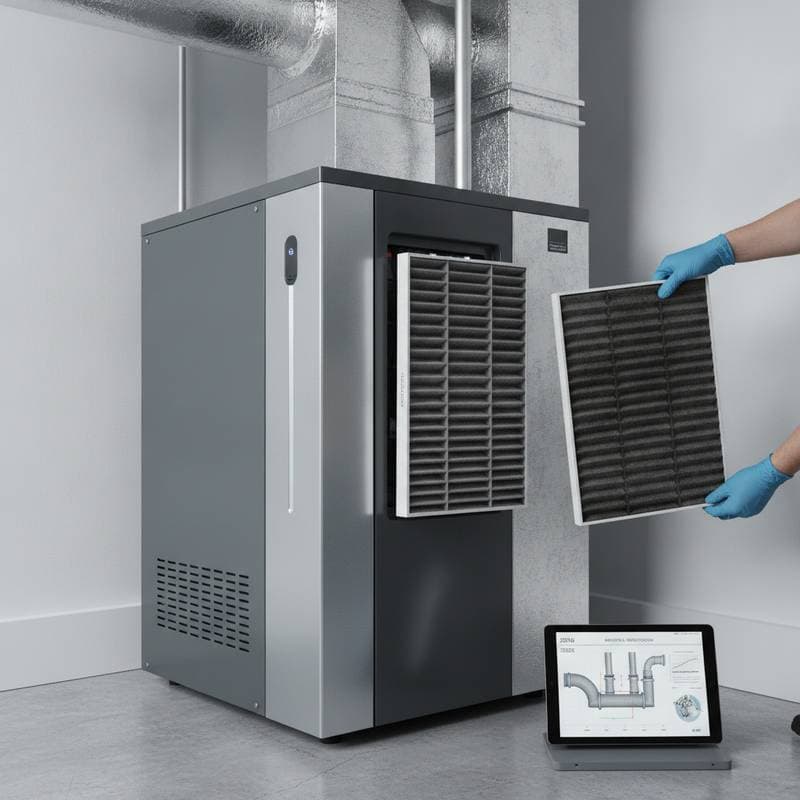
Air filters serve as the primary defense against dust, pollen, and particles, preserving indoor air quality. Clogged filters restrict airflow, compelling the system to labor excessively. Homeowners should replace disposable filters or wash reusable ones at the cooling season's onset. Experts advise monthly inspections during peak operation. Although high-efficiency options carry a higher price, they safeguard internal components and maintain a cleaner environment.
Step 2: Clear Debris Around the Outdoor Unit
The outdoor condenser requires clear airflow to dissipate heat effectively. Clear away leaves, grass, and accumulated debris from the unit's base. Maintain at least two feet of clearance by trimming surrounding vegetation. Verify that fan blades rotate without obstruction and straighten any bent fins. A light rinse using a garden hose removes surface dirt while avoiding component damage.
Step 3: Maintain Clean Coils
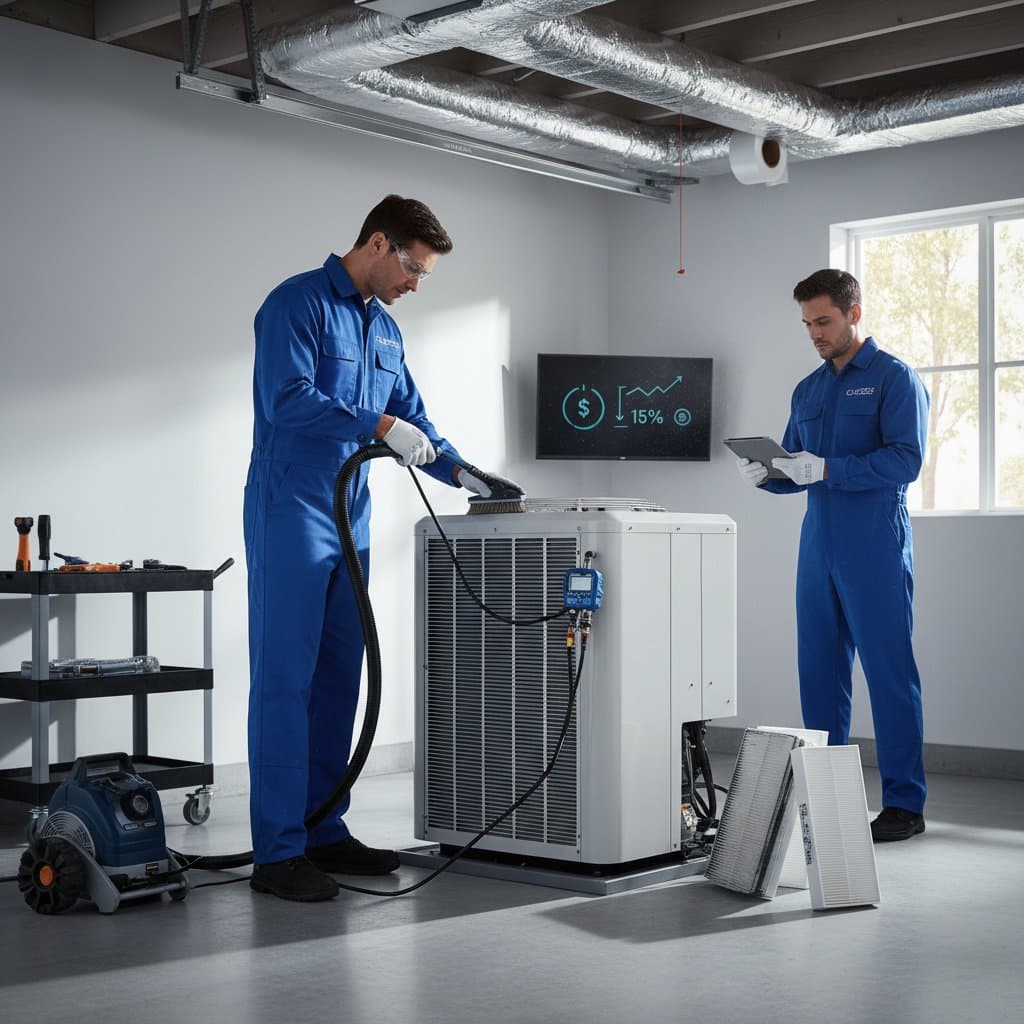
Grime builds up on both indoor evaporator coils and outdoor condenser coils, impairing heat exchange and extending run times. This inefficiency increases energy use. Professionals equipped with proper tools clean these coils thoroughly and check for corrosion or leaks. Energy Star reports that pristine coils can enhance cooling efficiency by up to 30 percent.
Step 4: Assess and Seal Ductwork
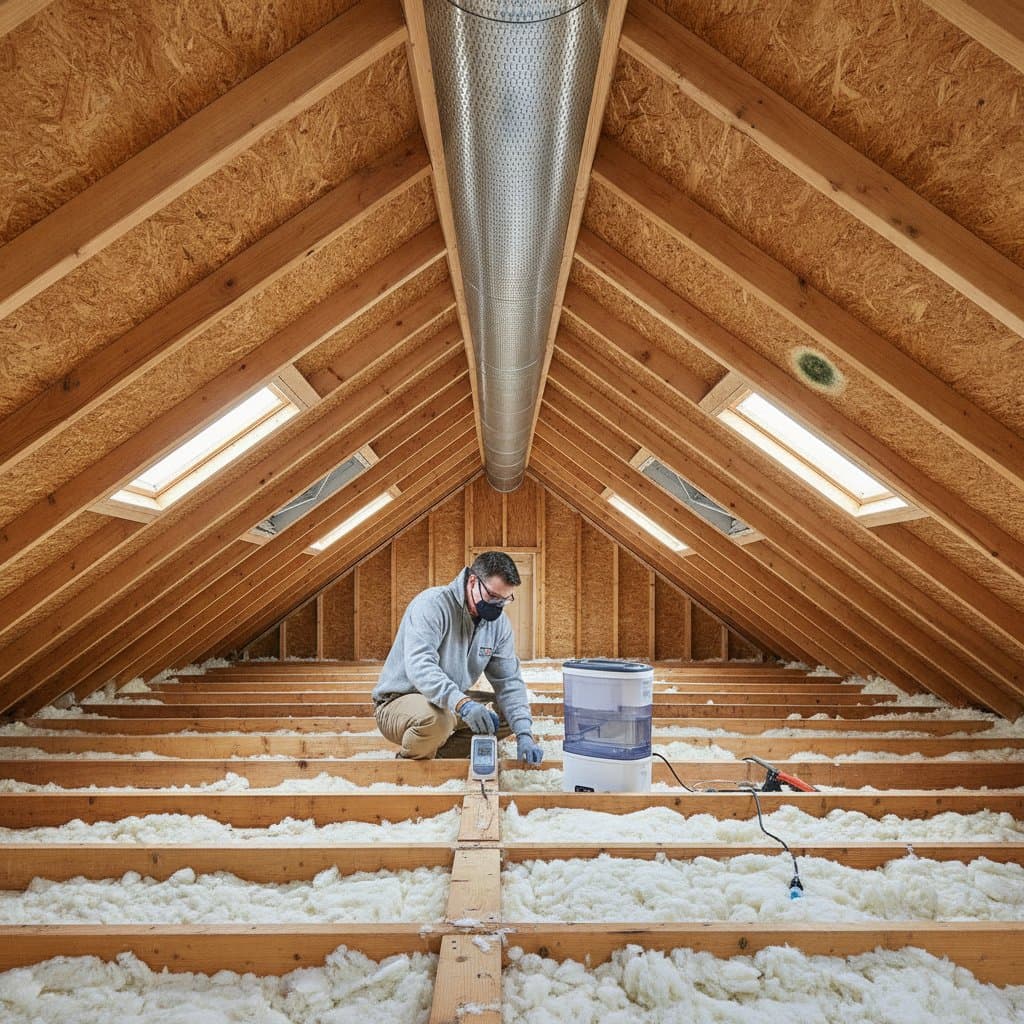
Leaking ducts lead to inconsistent temperatures and energy loss. Examine visible sections in attics or basements for separations or gaps. Apply mastic sealant or foil-backed tape to secure joints and halt air escape. A professional duct inspection uncovers concealed issues, potentially saving significant amounts annually on cooling expenses.
Step 5: Verify Thermostat Operation
The thermostat dictates the system's efficiency by regulating cycles. Switch to cooling mode and observe the response. For manual models, an upgrade to programmable or smart versions allows scheduling based on routines, potentially reducing energy use by 10 percent. These advanced units optimize settings during unoccupied periods.
Step 6: Monitor Refrigerant Levels
Insufficient refrigerant hampers cooling power and risks compressor damage. Certified technicians alone manage refrigerant due to required expertise and regulatory standards. Scheduled checks confirm levels align with manufacturer specifications and identify leaks promptly.
Step 7: Review Electrical Systems
Faulty wiring or connections invite operational failures. With power disconnected, inspect for fraying or corrosion. Technicians perform voltage tests, secure terminals, and evaluate capacitors. The National Comfort Institute notes that electrical problems cause approximately 40 percent of summer service requests. Preemptive fixes prevent disruptions and high repair bills.
Step 8: Unclog the Condensate Drain
During operation, the system produces condensation that exits via the drain line. Blockages from algae or debris cause overflows, water damage, or mold. Flush the line using a vinegar-water solution to dissolve buildup. Persistent water near the unit warrants a professional review of the drain pan and pump.
Step 9: Arrange Professional Servicing
A thorough tune-up by experts verifies calibration and safety, even if the system appears functional. This service encompasses refrigerant pressure assessment, coil cleaning, electrical tightening, lubrication, and performance testing. HomeAdvisor estimates costs range from fifty to two hundred dollars, based on location and unit scale. Such preventive care often avoids repairs exceeding thousands of dollars.
Step 10: Enhance Home Insulation
System performance relies on the home's ability to retain cool air. Scan windows, doors, and attics for drafts. Install weatherstripping and caulk to seal openings effectively. Energy specialists project that these measures can decrease cooling bills by up to 20 percent by lessening the load on the AC.
Sustain Peak Performance Year-Round
After initial preparation, ongoing practices ensure longevity. Position furniture away from vents, control humidity levels, and adhere to filter schedules. During peak heat, close blinds and employ ceiling fans to distribute air evenly. These routines minimize strain and stabilize costs.
Achieve Lasting Summer Comfort
Timely AC preparation guarantees uninterrupted cooling as temperatures soar. Integrating homeowner tasks with professional oversight yields superior outcomes. Pristine filters, unobstructed paths, and calibrated elements deliver steady performance and savings. Annual adherence safeguards the system and fosters a pleasant home atmosphere.