Understanding Greywater Systems
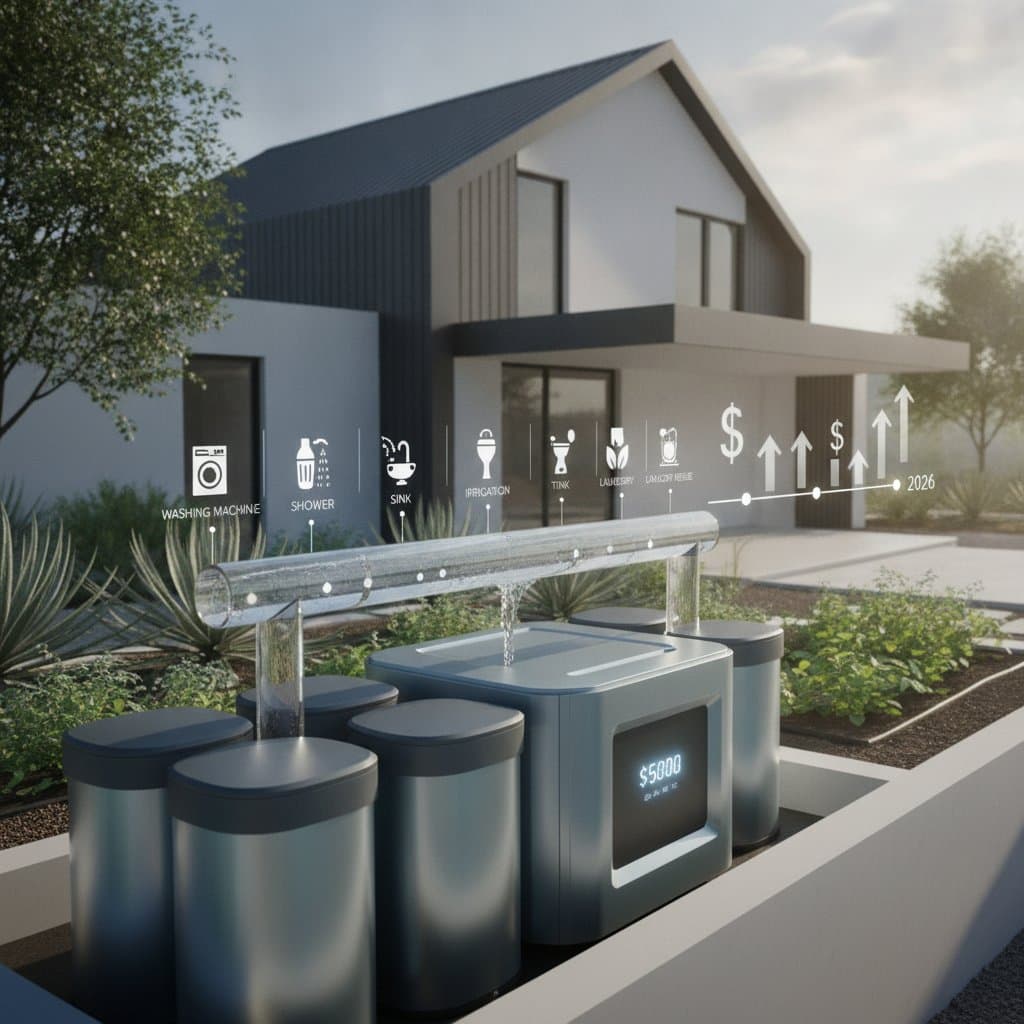
Greywater refers to wastewater from household sources such as sinks, showers, and washing machines, excluding toilet waste. These systems collect and treat this water for reuse, primarily in irrigation or toilet flushing, promoting water conservation. In 2026, with increasing focus on sustainability, greywater recycling emerges as a practical upgrade for homes facing water scarcity or high utility costs.
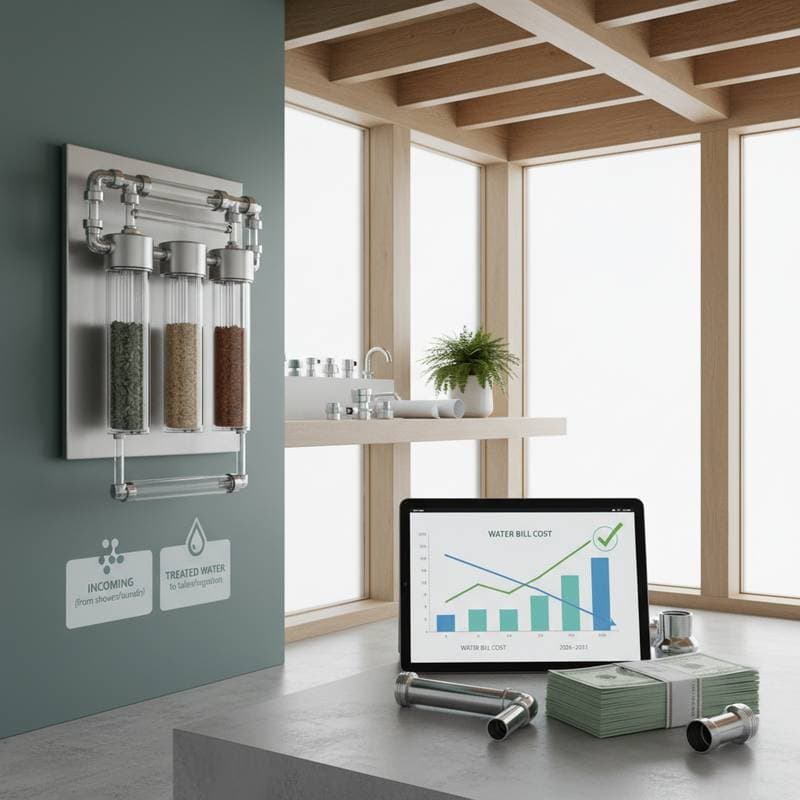
Basic systems divert greywater directly to landscapes, while advanced setups include filtration and treatment for broader applications. The process begins with collection through separate plumbing lines, followed by screening to remove solids, and optional biological treatment to eliminate pathogens. Homeowners benefit from reduced freshwater demand, aligning with global efforts to mitigate climate impacts.
Installation Costs Breakdown
Initial costs for greywater systems vary based on scale, complexity, and location. Simple laundry-to-landscape systems start at $500 to $1,500, involving basic hoses and filters connected to a washing machine outlet. Full-home installations, which handle multiple fixtures and include pumps or treatment tanks, range from $5,000 to $15,000 or more.
Several factors influence pricing. Soil and landscaping conditions play a key role; drip irrigation setups or clay-heavy soils might require additional components for proper drainage, adding $500 to $2,000. The desired water treatment level also affects expenses; basic filtration costs less than advanced purification with UV lights or chlorination, which can increase totals by 20 to 50 percent.
Labor represents a significant portion, often 40 to 60 percent of the budget. Professional installers on forums like Reddit and Quora emphasize that homeowners frequently underestimate this aspect. They recommend verifying local rebates or credits for water recycling systems, which can offset costs by up to $3,000 in some regions.
Payback Timeline and Financial Returns
Greywater systems typically achieve payback within 5 to 10 years, depending on water rates and usage patterns. In areas with tiered pricing, where excess consumption incurs higher fees, savings accelerate. Homeowners directing greywater to irrigation can reduce outdoor water use by 50 percent, while indoor recycling cuts total household consumption by one-third.
A study by a sustainable building consultant indicates that homes with integrated greywater systems consume 30 percent less municipal water annually than comparable properties without such features. This reduction equates to $200 to $800 in yearly savings, based on average U.S. rates of $0.005 per gallon. Over a decade, cumulative benefits often exceed initial investments, particularly in drought-prone states.
Installation Options: DIY Versus Professional
For straightforward applications, DIY installations suit budget-conscious homeowners. Laundry-to-landscape projects exemplify this approach, routing water from the washing machine to garden lines with minimal plumbing alterations and simple filtration. Tools needed include surge tanks, diverter valves, and mulch basins, available at hardware stores for under $300.
Professional installations prove essential for complex configurations involving multiple fixtures, pumps, or treatment units. Licensed experts ensure adherence to local building codes, avoiding risks like cross-contamination between greywater and potable supplies. They also tailor designs to match home water pressure and flow rates, incorporating testing and owner training to safeguard long-term performance.
When selecting an installer, prioritize those certified in sustainable plumbing. Request references and detailed quotes outlining materials, labor, and warranties. This step minimizes surprises and maximizes system reliability.
Ongoing Maintenance Requirements
Effective maintenance sustains greywater system efficiency and safety. Clean or replace filters every three to six months to prevent blockages, and inspect tanks annually for sediment accumulation. Pumps and valves demand quarterly checks to detect wear, ensuring uninterrupted operation.
Well-maintained systems endure 15 to 25 years with periodic part replacements. Costs for new filters run $50 to $200 yearly, while pump servicing averages $300 every few years. These outlays pale against water bill reductions, often yielding net positive returns from year three onward.
A plumber featured in a Forbes home improvement article notes that diligent upkeep distinguishes reliable systems from those prone to odors or clogs. Develop a seasonal checklist: flush lines in spring, test pumps in summer, and winterize components before freezes. Schedule professional inspections prior to extreme weather to preempt issues.
Enhancing Systems with Smart Features
Integrate greywater setups with technology for optimal performance. Smart irrigation controllers adjust flows based on weather data, while soil moisture sensors prevent wasteful overwatering. Pairing with rainwater harvesting tanks creates hybrid systems that diversify water sources.
Advanced models feature quality-monitoring sensors that alert users via apps when filters require attention. For comprehensive upgrades, combine greywater recycling with low-flow faucets, dual-flush toilets, and native plant landscaping. This holistic strategy amplifies efficiency, potentially slashing total water use by 40 to 60 percent.
Evaluate compatibility during planning; consult experts to integrate features without compromising existing plumbing. Such enhancements not only extend payback periods but also elevate home resilience against water shortages.
Securing Long-Term Value from Your System
A greywater installation fosters a resource-efficient home while lowering operational costs. Begin by auditing current water usage through utility bills or submeters to identify high-volume fixtures. Engage a licensed plumber or sustainability specialist to customize a system compliant with regulations and suited to your property.
Document all maintenance activities and monitor performance metrics like water diversion volumes. Address issues promptly through routine cleanings and targeted repairs. Through strategic implementation and vigilant oversight, your greywater system delivers enduring financial and ecological advantages.