2026 Microcement Flooring: Real Installation Costs
Microcement flooring ranks among the top choices for residential and commercial interiors. Its seamless surface, wide color palette, and versatility fit modern designs that demand both aesthetics and strength. Grasping the full scope of installation costs empowers homeowners, designers, and contractors to decide wisely. This guide breaks down expenses, from national benchmarks to regional shifts, pricing approaches, and elements that shape total outlays.
Microcement Flooring Cost Fundamentals
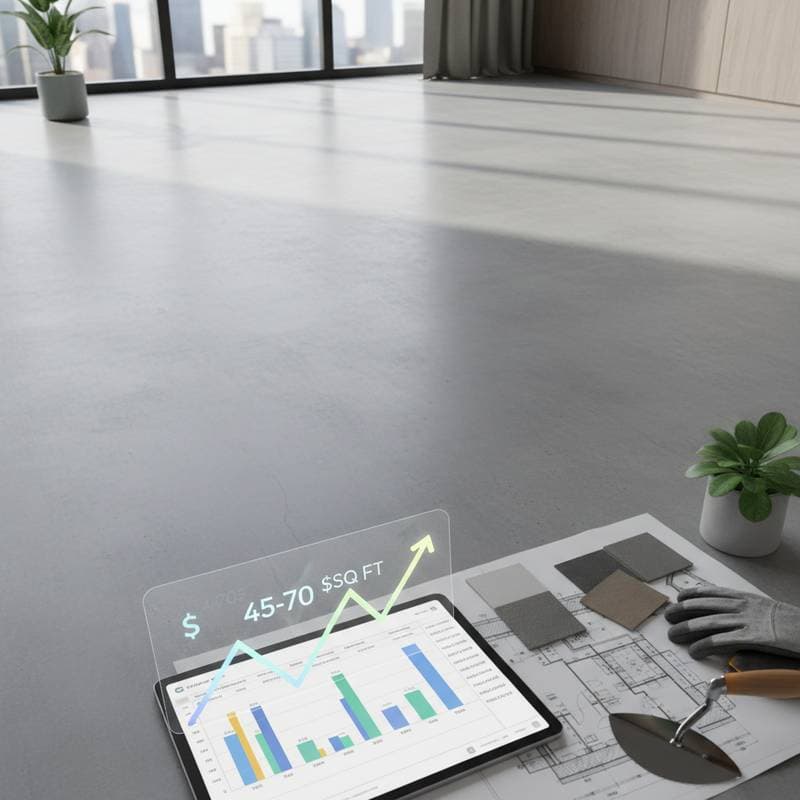
The national average for microcement flooring installation ranges from 45 to 70 dollars per square foot, covering materials and labor. This figure applies to professional work in homes and businesses alike.
Regional Price Variations
Costs differ by location. Coastal urban areas face higher rates, up to 80 dollars per square foot, due to elevated labor and shipping expenses. Inland or rural zones often see 40 to 55 dollars per square foot for comparable quality. Factors such as local economies, workforce supply, and contractor competition drive these variations.
Seasonal or Cyclical Pricing Fluctuations
Renovation peaks, typically in spring and fall, boost demand and raise prices by 10 to 15 percent. Off-peak periods bring potential discounts or bundled deals from installers. Property owners who schedule during quieter times often secure lower rates through advance planning.
Economic Factors Influencing Service Costs
Microcement materials hinge on cement supply, pigment costs, and resin imports. Inflation or supply disruptions can increase these by as much as 20 percent quickly. Labor follows market trends, particularly where experienced finish specialists remain scarce.
Pricing Models and Structures
Hourly Rates Versus Flat Fees
For modest home projects, contractors may charge 60 to 90 dollars per hour. Extensive commercial installations favor flat rates per square foot, which streamline estimates and minimize change-order issues.
Per Unit or Project-Based Pricing
Certain providers bill by stages, separating surface prep from topcoat application. This suits intricate remodels needing substantial substrate fixes.
Bundle or Package Pricing Strategies
Installers frequently package essentials like primer, reinforcement mesh, microcement layers, and sealants. Such options yield fixed costs and comprehensive coverage. A full setup for a typical 150-square-foot room might total 6,000 to 12,000 dollars, based on dimensions and finish standards.
Subscription Versus One-Time Service Costs
Microcement requires no recurring subscriptions, though some firms provide resealing or buffing visits. These maintenance sessions run 300 to 600 dollars each, scaled to area and condition.
Service Tiers and Their Price Points
Basic or Essential Services
Entry-level options cover prep, primer, and two microcement coats at 45 to 55 dollars per square foot. They fit low-use zones like guest rooms or small homes.
Standard or Professional Service Pricing
Mid-tier services include added sealant and expanded design choices for 55 to 65 dollars per square foot. These work well in high-traffic spots such as kitchens or entryways.
Premium or Comprehensive Service Rates
Top-tier setups feature bespoke colors, layered protections, and refined polishes at 70 to 90 dollars per square foot. Buyers select this for enhanced visuals and extended life.
Specialized or Bespoke Service Expenses
Custom integrations, like radiant heating compatibility or stone-like textures, push costs above 100 dollars per square foot. High-end residences often demand these tailored solutions.
Key Variables Influencing Microcement Flooring Pricing
Scope or Size of the Project
Expansive areas lower the per-square-foot cost as fixed tasks like setup dilute across more space. Compact zones, such as powder rooms, incur higher relative expenses from focused prep work.
Complexity and Required Skill Level
Microcement application calls for expertise to prevent flaws like fissures or inconsistencies. Challenging features, including staircases or arches, extend labor time. Certified specialists in ornamental finishes charge accordingly for their precision.
Time Required for Completion
A 500-square-foot home area generally needs five days, accounting for curing between layers. Larger or detailed commercial efforts may span two weeks, inflating labor totals.
Materials or Equipment Needed
Superior sealants, dyes, and binders elevate finish quality and endurance. Opting for premium grades adds 25 to 40 percent to supplies, though it cuts future upkeep.
Add-on Services and Supplemental Charges
Crack Repair and Surface Preparation Fees
Sound bases demand fixes for cracks and unevenness, adding 3 to 8 dollars per square foot. This foundational work averts later peeling and promotes even application.
Waterproofing Layer Costs
Wet areas like baths benefit from underlay membranes, at 2 to 4 dollars per square foot. Such barriers boost resistance to humidity and spills.
Custom Pigment or Texture Prices
Special hues or patterns involve unique additives and methods, tacking on 5 to 10 dollars per square foot.
Expedited or Priority Service Rates
Rush jobs incur 20 to 30 percent surcharges via extra crews or extended shifts. Quick timelines suit urgent renovations.
Comparing Professional and DIY Approaches
DIY kits cost 15 to 25 dollars per square foot in materials, yet they seldom match pro-level smoothness or strength. Errors in formulation or application frequently cause blemishes. Experts note that 70 percent of users opt for licensed pros, valuing the efficiency, warranties against defects, and superior longevity.
Sustainable and Eco-Friendly Considerations
Microcement supports green practices by overlaying old floors, minimizing waste from teardowns. Water-based finishes and low-emission resins enhance air purity. Green-certified components raise expenses by 10 to 15 percent, attracting those committed to eco-upgrades.
Insurance, Certification, and Guarantees
Trusted providers carry insurance and offer warranties of three to ten years. Training from microcement brands ensures reliable outcomes and reduces failure risks. These protections, while adding modestly to fees, safeguard against repairs and support property worth.
Securing Value in Your Microcement Project
Microcement flooring blends form and function for diverse settings, from homes to storefronts. To optimize spending, gather detailed bids from several firms, specifying materials, labor, and extras. This approach aligns choices with goals for enduring, low-maintenance surfaces that elevate interior design.