DIY Versus Professional Installation
Homeowners considering greywater systems must weigh the benefits of self-installation against hiring experts. A DIY approach lowers initial expenses by eliminating labor fees, potentially keeping costs under $1,000 for basic setups like laundry-to-landscape conversions. However, this option demands familiarity with plumbing basics and local regulations to avoid costly errors.
Professionals bring specialized knowledge that ensures system efficiency and compliance. They conduct site evaluations to assess water volume and soil conditions, perform precise flow calculations, and provide training on ongoing care. While professional services raise total costs to $3,000 or more, they minimize risks such as leaks or code violations that could lead to fines exceeding $500 or system removal.
To decide, review your skill level and local code complexity. Start by downloading free DIY guides from municipal websites, then compare them to professional quotes that include warranties. This evaluation helps balance savings with reliability for a system that performs over time.
Navigating Permits and Legal Requirements
Local regulations govern greywater installations to protect public health and the environment. In permissive areas, basic outdoor irrigation systems from laundry sources often qualify for permit exemptions, provided they avoid indoor use and follow simple design standards. More complex setups, such as those integrating with toilets or requiring pumps, demand formal permits, inspections, and sometimes engineering approvals.
Prepare for the process by gathering these key documents:
- Detailed system diagrams showing pipe routes, tank placements, and connection points
- Material specifications for filters, storage tanks, and diverter valves to verify durability and safety
- Evidence of separation between greywater and drinking water lines, including isolation valves
- Backflow prevention plans to safeguard municipal supplies
- Soil tests confirming adequate drainage and percolation rates to prevent pooling
Inspectors focus on preventing contamination, pest attraction, or groundwater pollution. Bypassing permits risks penalties from $250 to $5,000, plus mandatory dismantling. Contact your local building or environmental department early; many provide no-cost workshops or digital resources tailored to residential projects.
Essential Maintenance and Expected Lifespan
Regular upkeep sustains greywater system performance and extends its service life. Clean filters monthly during peak use to remove soap residues and debris, preventing blockages that reduce efficiency. Flush distribution pipes quarterly with a mild vinegar solution to dissolve mineral deposits, and inspect pumps annually for electrical integrity and seal wear.
Most components endure 10 to 15 years with consistent attention, though filters may need replacement every two to three years. In one homeowner's experience documented in an online sustainability discussion, a $2,500 irrigation system yielded 25 percent lower water bills yearly. The owner emphasized using low-sudsing, biodegradable detergents to maintain clear lines and avoid clogs.
Track maintenance in a simple log, noting dates and observations like flow rates or unusual odors. This practice not only prolongs lifespan but also qualifies systems for extended warranties from manufacturers.
Calculating Savings and Return on Investment
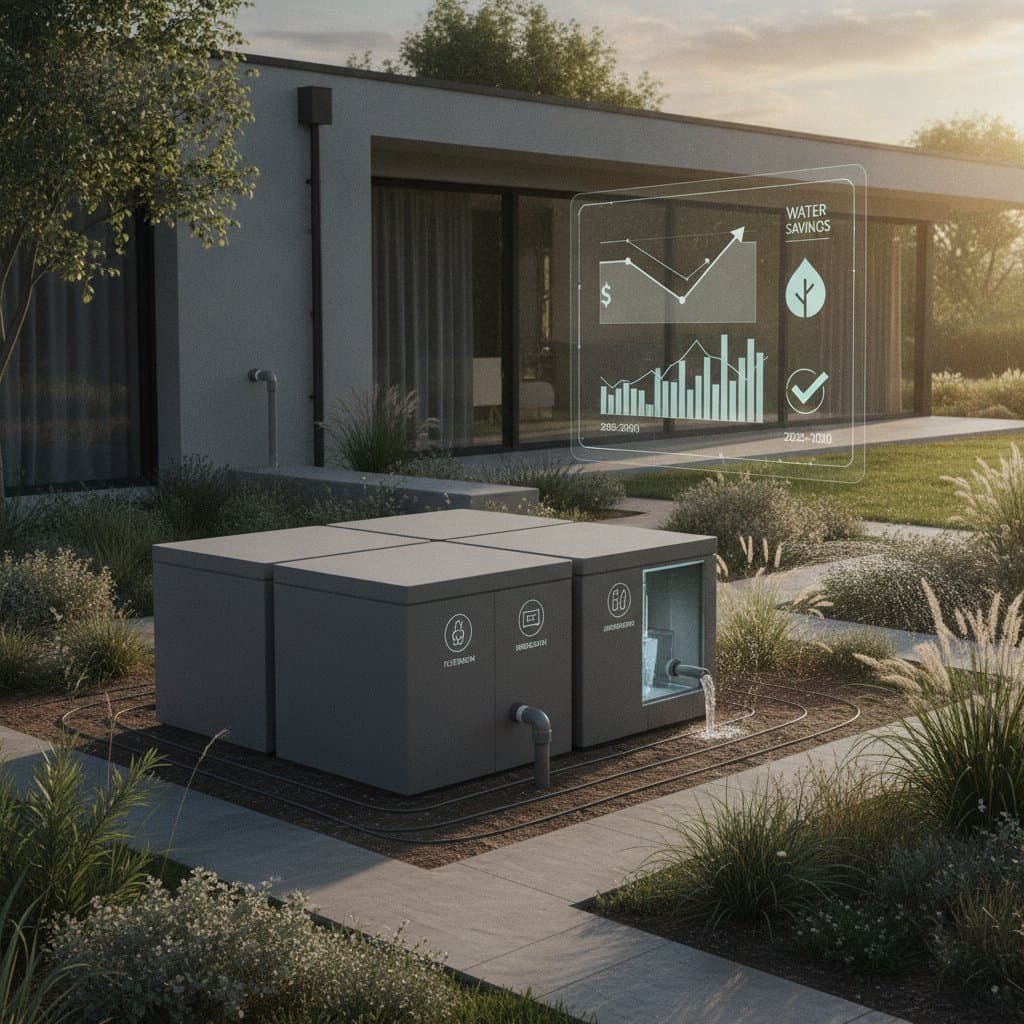
Greywater adoption delivers financial and ecological returns based on usage patterns and regional water pricing. High-cost areas see annual savings of $300 to $600 by offsetting potable water for landscaping or flushing. Over 10 years, these reductions can recoup 50 to 80 percent of installation expenses, assuming moderate household water use of 100 gallons daily.
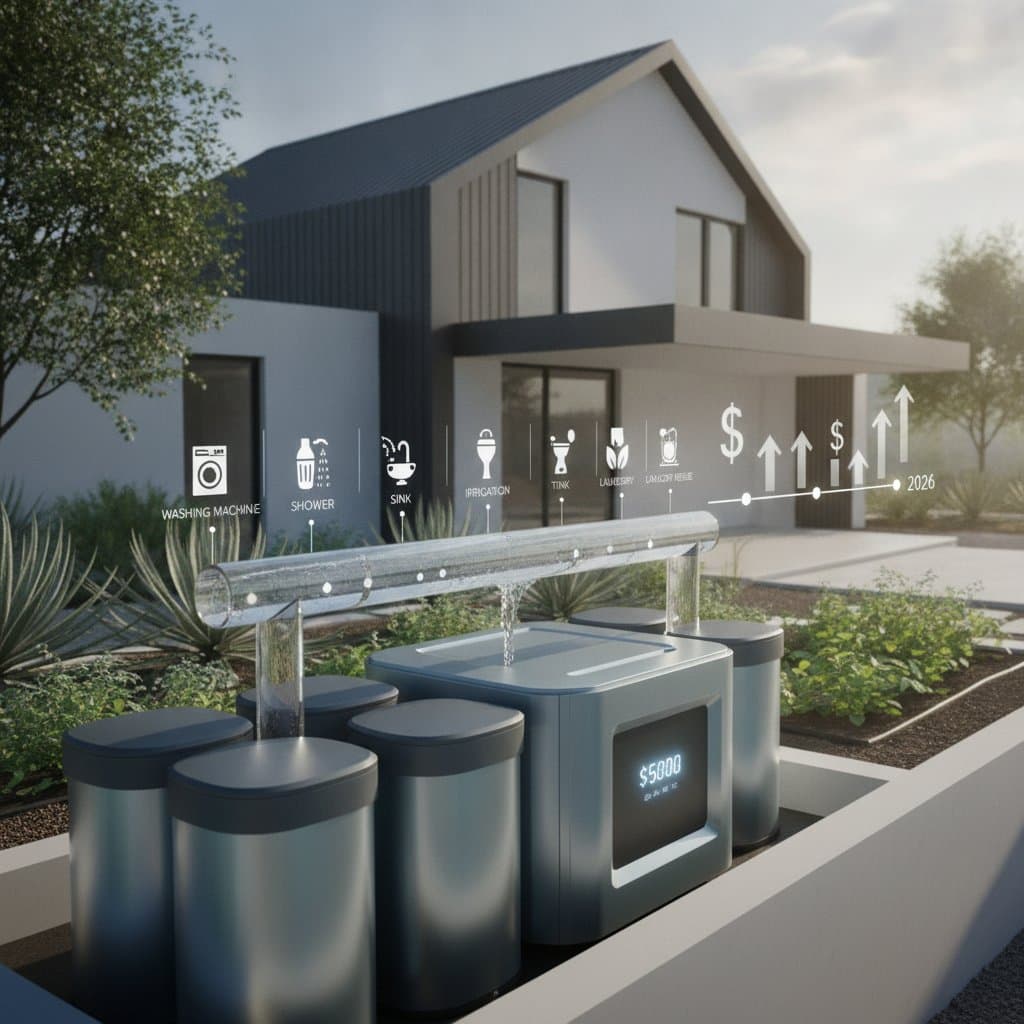
Environmentally, systems cut overall consumption by up to 40 percent, easing strain on treatment plants and aquifers. To estimate personal benefits, tally monthly bills before and after installation, factoring in greywater volume—typically 20 to 50 gallons per person daily from sinks and showers.
Rebates accelerate payback; programs in water-scarce regions offer $200 to $1,000 credits for verified installations. Research incentives through utility providers or state environmental agencies before purchasing, as applications often require pre-approval and performance metrics.
Selecting Reliable Installers
Choose contractors with credentials in eco-friendly plumbing to secure a durable setup. Seek certifications from organizations focused on water conservation, and request portfolios of past greywater projects, including photos and client testimonials. Verify licensing and insurance to cover potential on-site issues.
Obtain at least three detailed bids outlining materials, labor hours, and permit handling. Experienced installers demonstrate knowledge of area-specific codes, such as setback distances from wells or edible gardens. Engage online forums for unbiased reviews; users often share insights on responsiveness and post-install support.
Prioritize quality over the lowest price, as skilled work reduces future repairs costing $500 or more. A thorough contract should specify timelines, testing protocols, and a one-year follow-up inspection.
Optimizing and Expanding Your System
Sustain your greywater investment through proactive monitoring and upgrades. Document all service activities, from filter swaps to valve adjustments, to identify patterns and prevent issues. Switch to phosphate-free cleaners to minimize pipe scaling and support plant health.
In arid periods, adjust diverters to match soil moisture levels, using inexpensive probes for accuracy. For future home updates, route new plumbing to accommodate expansions, such as adding shower sources, which can boost efficiency by 30 percent.
This integrated strategy transforms greywater into a cornerstone of resource-efficient living. Homeowners who plan ahead enjoy sustained savings, regulatory peace, and a legacy of conservation that enhances property appeal.